Will E-Cigarette Exports Be Affected by the China-U.S. Trade War?
On March 23, Trump announced additional tariffs on US$60 billion worth of Chinese exports to the United States, along with restrictions on Chinese investment and acquisitions in the U.S., stating that this was only the beginning. As trade tensions escalat
On March 23, Trump announced additional tariffs on $60 billion worth of goods exported from China to the United States, along with restrictions on Chinese investment and acquisitions in the U.S., saying this was only the beginning.
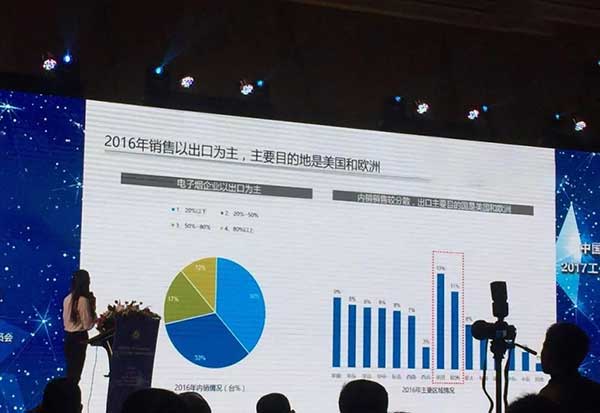
Trump has been steadily escalating pressure in China-U.S. trade, and now the trade conflict between the two countries can be seen as an open declaration of war by the United States. In response to this aggressive stance, China’s Ministry of Foreign Affairs stated that it would “neither fear nor evade.” We trust in the strength of the Ministry and of our country, but what concerns us most is whether the vaping industry, which relies heavily on foreign trade exports, will face serious challenges in this trade war. As we all know, e-cigarettes were invented in China and rose to prominence overseas. From 700 million pounds in 2010 to 6.1 billion pounds in 2016, and then to $10 billion in 2017, the rapidly expanding e-cigarette market has been concentrated mainly in overseas countries such as the United States, the United Kingdom, Italy, and Malaysia. In particular, U.S. e-cigarette sales accounted for 50% of the global market in 2015 and exceeded 60% in 2016. As the manufacturer of 95% of the world’s e-cigarettes, the volume China exports to the United States is easy to imagine. In 2016 alone, exports to the U.S. accounted for 13% of China’s total e-cigarette sales, making it China’s largest export market for e-cigarettes. The reason e-cigarette sales are so strong in the United States is closely related to anti-smoking advocacy or mandatory smoking restrictions in Europe and the U.S., as well as high tobacco taxes. In addition, vape products, with their large vapor clouds and trendy, customizable features, appeal to groups in the U.S. that enjoy street culture. Consumer behavior driven by emotional identification, combined with these factors, has created a huge market for China’s e-cigarette exports. Thanks to its mature supply chain and highly cost-effective products, China has long held a dominant position in the overseas vaping market that is difficult to surpass.
Now that the China-U.S. trade war has begun, and the U.S. has imposed tariffs on imported steel and aluminum products, export costs for e-cigarettes are bound to rise. This will squeeze domestic traders’ profit margins into a very awkward position. If they want to avoid losses, market prices will have to increase, and China’s cost-performance advantage over U.S. domestic e-cigarette brands will disappear.
This is an age of globalization, and large-scale trade wars do not produce a one-sided winner. Even if Trump is confident enough to say on Twitter that he can win easily, China will not simply let him do as he pleases. If the trade war escalates fully, it could easily lead to a situation of “inflicting a thousand losses on the enemy while suffering eight hundred of your own.” Most importantly, higher prices for Chinese exports to the United States will also significantly hurt ordinary American consumers. In a place where vape culture thrives, they will have to pay a high price for what they love.
The reason e-cigarette sales are so strong in the United States is closely related to anti-smoking advocacy or mandatory smoking restrictions in Europe and the U.S., as well as high tobacco taxes. In addition, vape products, with their large vapor clouds and trendy, customizable features, appeal to groups in the U.S. that enjoy street culture. Consumer behavior driven by emotional identification, combined with these factors, has created a huge market for China’s e-cigarette exports. Thanks to its mature supply chain and highly cost-effective products, China has long held a dominant position in the overseas vaping market that is difficult to surpass.
Now that the China-U.S. trade war has begun, and the U.S. has imposed tariffs on imported steel and aluminum products, export costs for e-cigarettes are bound to rise. This will squeeze domestic traders’ profit margins into a very awkward position. If they want to avoid losses, market prices will have to increase, and China’s cost-performance advantage over U.S. domestic e-cigarette brands will disappear.
This is an age of globalization, and large-scale trade wars do not produce a one-sided winner. Even if Trump is confident enough to say on Twitter that he can win easily, China will not simply let him do as he pleases. If the trade war escalates fully, it could easily lead to a situation of “inflicting a thousand losses on the enemy while suffering eight hundred of your own.” Most importantly, higher prices for Chinese exports to the United States will also significantly hurt ordinary American consumers. In a place where vape culture thrives, they will have to pay a high price for what they love.
 According to the relevant provisions of the Foreign Trade Law of the People’s Republic of China and the Regulations of the People’s Republic of China on Import and Export Duties, and with State Council approval, the Customs Tariff Commission of the State Council decided to impose an additional 25% tariff on 106 items in 14 categories of goods originating from the United States, including soybeans, automobiles, and chemical products. The implementation date will depend on the U.S. government’s implementation of additional tariffs on Chinese goods and will be announced separately by the Customs Tariff Commission of the State Council.
Item No. 33, tariff code 24039900, covers other manufactured tobacco and tobacco substitutes, as well as tobacco extracts and essences. This means that imported U.S. e-liquid will also be subject to an additional 25% tariff. Not only will the price of e-liquid rise, but the prices of e-liquid raw materials and flavorings will also increase further.
Given this 25% tariff increase, let me explain to all you Vapors the import tax calculation formula after the additional tariff is applied.
Customs duty = dutiable customs value × (current applicable tariff rate + additional tariff rate).
Take a bottle of e-liquid with a post-valuation customs value of 50 RMB as an example. For tariff code 24039900, the current applicable tariff rate is 30%, and the additional tariff rate is 25%…
Customs duty = 50 (dutiable customs value) × 55% (current applicable tariff rate + additional tariff rate) = 28 RMB
Of course, the following points should be noted when calculating customs duty:
1. Import taxes are paid in RMB. If imported goods are priced and transacted in a foreign currency, customs will convert the amount into RMB using the median buying/selling exchange rate announced by the relevant state foreign exchange authority on the date the tax payment certificate is issued. For foreign currencies not listed in the RMB exchange rate table, the exchange rate determined by the relevant state foreign exchange authority shall apply.
2. The dutiable value is calculated to the nearest yuan, with amounts below one yuan rounded off. The customs duty amount is calculated to the nearest fen, with amounts below one fen rounded off.
3. If the customs duty on a shipment is less than 50 RMB, it is exempt from tax.
As a result of this policy adjustment, a bottle of e-liquid that originally had a customs duty of 15 RMB on a 50 RMB value will now incur an additional 13 RMB in tariff, for a total of 28 RMB. For us Vapors, this price is still acceptable. Moreover, purely imported American e-liquids are not always favored by some Chinese Vapors in terms of flavor, since e-liquid is very much a matter of personal taste. Looking at current e-liquid products, domestically produced e-liquids in China have consistently improved in quality and flavor to better suit Chinese consumers. So why not give domestic e-liquid a try?
We are all fellow enthusiasts who love Vape, and we are all working hard for the healthy growth of vape culture. We all hope the e-cigarette industry can develop in a longer-term and better direction. We have said before that the e-cigarette industry is a calling card of China’s strength presented to the world, a powerful fist we can show with confidence. When we stand at a height the world cannot surpass, then whatever kind of trade war it is, we can say this: China’s e-cigarettes really are that strong!
Leave a comment below this article and tell us what you think about this matter! #p#Page Title#e#
According to the relevant provisions of the Foreign Trade Law of the People’s Republic of China and the Regulations of the People’s Republic of China on Import and Export Duties, and with State Council approval, the Customs Tariff Commission of the State Council decided to impose an additional 25% tariff on 106 items in 14 categories of goods originating from the United States, including soybeans, automobiles, and chemical products. The implementation date will depend on the U.S. government’s implementation of additional tariffs on Chinese goods and will be announced separately by the Customs Tariff Commission of the State Council.
Item No. 33, tariff code 24039900, covers other manufactured tobacco and tobacco substitutes, as well as tobacco extracts and essences. This means that imported U.S. e-liquid will also be subject to an additional 25% tariff. Not only will the price of e-liquid rise, but the prices of e-liquid raw materials and flavorings will also increase further.
Given this 25% tariff increase, let me explain to all you Vapors the import tax calculation formula after the additional tariff is applied.
Customs duty = dutiable customs value × (current applicable tariff rate + additional tariff rate).
Take a bottle of e-liquid with a post-valuation customs value of 50 RMB as an example. For tariff code 24039900, the current applicable tariff rate is 30%, and the additional tariff rate is 25%…
Customs duty = 50 (dutiable customs value) × 55% (current applicable tariff rate + additional tariff rate) = 28 RMB
Of course, the following points should be noted when calculating customs duty:
1. Import taxes are paid in RMB. If imported goods are priced and transacted in a foreign currency, customs will convert the amount into RMB using the median buying/selling exchange rate announced by the relevant state foreign exchange authority on the date the tax payment certificate is issued. For foreign currencies not listed in the RMB exchange rate table, the exchange rate determined by the relevant state foreign exchange authority shall apply.
2. The dutiable value is calculated to the nearest yuan, with amounts below one yuan rounded off. The customs duty amount is calculated to the nearest fen, with amounts below one fen rounded off.
3. If the customs duty on a shipment is less than 50 RMB, it is exempt from tax.
As a result of this policy adjustment, a bottle of e-liquid that originally had a customs duty of 15 RMB on a 50 RMB value will now incur an additional 13 RMB in tariff, for a total of 28 RMB. For us Vapors, this price is still acceptable. Moreover, purely imported American e-liquids are not always favored by some Chinese Vapors in terms of flavor, since e-liquid is very much a matter of personal taste. Looking at current e-liquid products, domestically produced e-liquids in China have consistently improved in quality and flavor to better suit Chinese consumers. So why not give domestic e-liquid a try?
We are all fellow enthusiasts who love Vape, and we are all working hard for the healthy growth of vape culture. We all hope the e-cigarette industry can develop in a longer-term and better direction. We have said before that the e-cigarette industry is a calling card of China’s strength presented to the world, a powerful fist we can show with confidence. When we stand at a height the world cannot surpass, then whatever kind of trade war it is, we can say this: China’s e-cigarettes really are that strong!
Leave a comment below this article and tell us what you think about this matter! #p#Page Title#e#