Big Tobacco Promotes Smoking Cessation, but Faces Accusations of Profiting Both Ways
Few industries are viewed as negatively as Big Tobacco, because tobacco company products cause many diseases and can even lead to cancer.
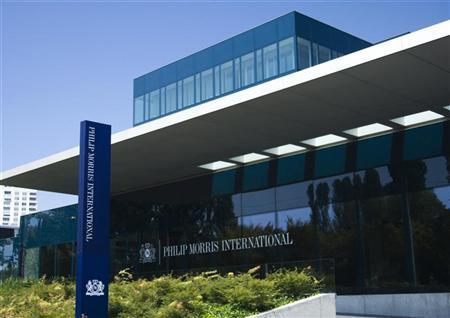
But the industry’s largest investor—Philip Morris International (PMI)—is trying to shake off that image. Its latest public relations campaign suggests that one day it will stop selling cigarettes, giving the company a “smoke-free” future.
Of course, tobacco companies have a long history of trying to manipulate public opinion, often by minimizing the harms of smoking. But the campaign launched late last month may contain at least some substance. The company’s new approach is not based on denying the harm of tobacco, but on promoting new products that can provide customers with nicotine while eliminating the chemicals that cause disease. These new alternatives include electronic cigarettes and something called IQOS. IQOS is a heated tobacco product that heats tobacco rather than burning it, and does not produce toxic smoke.
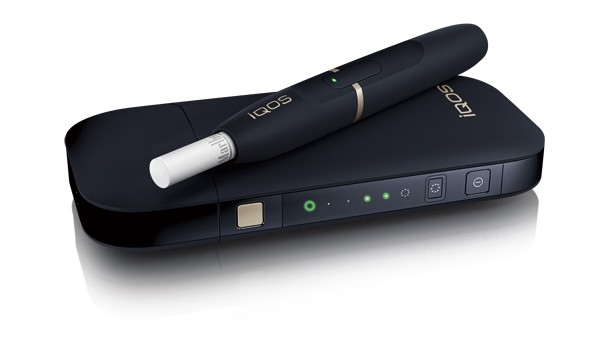
“Our vision is that these products will one day replace cigarettes,” Philip Morris said on its website.
General Manager Peter Luongo told the National Post that Rothmans, Benson & Hedges, PMI’s Canadian subsidiary, fully embraces the vision of “ultimately eliminating smoking,” and that “we will do everything in our power to make it happen.”
He acknowledged that the company hopes smoke-free alternatives will gain market share over its competitors, while also arguing that it has a “moral responsibility” to provide these alternatives.
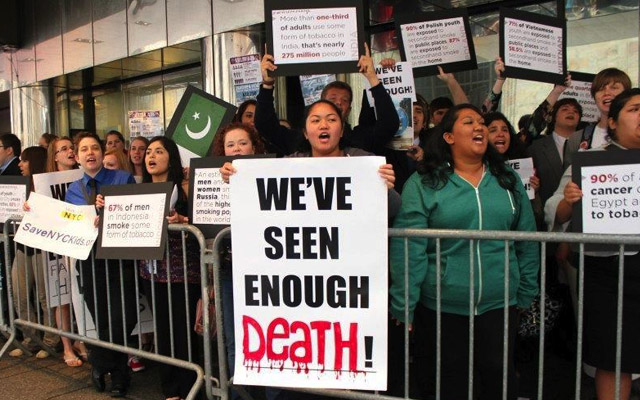
The skepticism of most anti-smoking advocates is understandable.
Rob Cunningham of the Canadian Cancer Society said that despite these promises, Philip Morris is still selling no fewer cigarettes than before, and wherever tobacco advertising is allowed, it strongly opposes government regulations that restrict tobacco use.
“Their latest PR campaign has no credibility,” he said, “because they have decades of history behind them, and they simply want to profit from both sides.”
David Sweanor, a lawyer at the University of Ottawa’s Centre for Health Law, Policy and Ethics, pointed out that whatever PMI’s motives may be, the plan is a “huge opportunity” to change the market and should be approached cautiously, not rejected outright because of Big Tobacco’s past misconduct.
For example, as smoke-free options become more popular, device prices could become more competitive and the transition could accelerate, he said, while taxes on cigarettes could be increased.
If the government implemented such a policy, “we would get a revolution,” Sweanor predicted. “There are many reasons to believe it can be done; the question is how we choose to deal with it.”
Pippa Beck, senior policy analyst at the Non-Smokers’ Rights Association, believes PMI’s campaign is an opportunity that can be used, though it must be treated with great caution.
“We can be cynical and treat it as a PR campaign, but I think that would be too arbitrary,” she said.