
Hong Kong residents call for reasonable regulation of the e-cigarette market
As a long-time traditional cigarette smoker, I personally do not enjoy heated tobacco or e-cigarettes, as they never quite feel satisfying enough. Of course, others may prefer heated tobacco and e-cigarettes, and that is their freedom. I also have no obje
As a long-time smoker of traditional cigarettes, I do not enjoy heated tobacco or e-cigarettes, feeling they do not satisfy my cravings. Of course, others enjoy heated tobacco and e-cigarettes, and that is their freedom. I have no objections to the government legislating the sale of e-cigarettes. What is frustrating is that medical professionals have been calling for a complete ban on the sale of heated tobacco and e-cigarettes in Hong Kong. Recently, six medical students even demanded that the government not only ban heated tobacco and e-cigarettes but also raise the legal smoking age from 18 to 21.
It is strange that six relatively unknown students held a press conference that attracted so much media coverage, even more than those held by current student unions. It is hard to believe that there is no "higher authority" guiding them behind the scenes. To be honest, discussions about heated tobacco, e-cigarettes, and even traditional cigarettes have turned into a moral high ground debate, where smoking has become a kind of "original sin," and the will and freedom of smokers can be completely ignored by society.

On the other hand, the medical community's earlier press conference subtly suggested that political parties were accepting sponsorship from tobacco companies and being lobbied by them, causing some parties to shift their positions. It is well-known that within a certain middle-class political party, there is a doctor who is extremely anti-smoking, and no amount of lobbying money could change their stance. This medical scholar indeed has political experience, as they can twist this issue into their desired agenda with just a few words.
What is perplexing is that when medical professionals claim that heated tobacco and e-cigarettes are harmful to health, they want to monitor and combat these products using public health reasons, even calling for legislation to ban and prohibit sales. However, when it comes to traditional cigarettes, they continue to "bear with it" and do not mention a complete ban. Isn't this hypocrisy? Isn't this a double standard?
Speaking of the health hazards of smoking, excessive drinking can also increase the rates of liver cirrhosis and heart disease, and drinking can lead to alcoholism, as well as causing disorderly conduct and disrupting social order and peace. Why do we not see medical professionals calling for a complete ban on alcohol? Why do we never see them demanding the government increase alcohol taxes? Is it because some of these medical professionals also have drinking habits, so they dare not speak out? Such a double standard in the detached middle-class logic, which some political parties follow, is truly a tragedy for society.
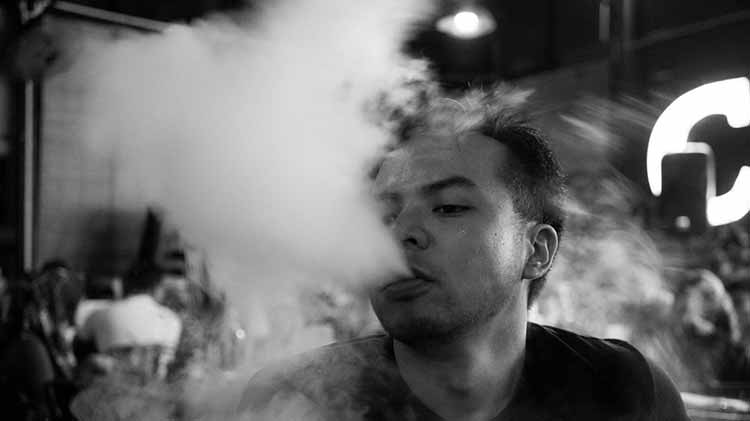
It must be said that the current public opinion on the issues of banning e-cigarettes and increasing tobacco taxes is filled with various hypocritical and double-standard statements. Therefore, the debate supporting rational policies is instead hijacked by these hypocritical remarks, and the rights of smokers to choose are thus ignored. It can be said that reasonable regulation of heated tobacco and e-cigarettes is the best choice, protecting smokers' rights while also incorporating the opinions of anti-smoking advocates.
It is strange that six relatively unknown students held a press conference that attracted so much media coverage, even more than those held by current student unions. It is hard to believe that there is no "higher authority" guiding them behind the scenes. To be honest, discussions about heated tobacco, e-cigarettes, and even traditional cigarettes have turned into a moral high ground debate, where smoking has become a kind of "original sin," and the will and freedom of smokers can be completely ignored by society.
On the other hand, the medical community's earlier press conference subtly suggested that political parties were accepting sponsorship from tobacco companies and being lobbied by them, causing some parties to shift their positions. It is well-known that within a certain middle-class political party, there is a doctor who is extremely anti-smoking, and no amount of lobbying money could change their stance. This medical scholar indeed has political experience, as they can twist this issue into their desired agenda with just a few words.
What is perplexing is that when medical professionals claim that heated tobacco and e-cigarettes are harmful to health, they want to monitor and combat these products using public health reasons, even calling for legislation to ban and prohibit sales. However, when it comes to traditional cigarettes, they continue to "bear with it" and do not mention a complete ban. Isn't this hypocrisy? Isn't this a double standard?
Speaking of the health hazards of smoking, excessive drinking can also increase the rates of liver cirrhosis and heart disease, and drinking can lead to alcoholism, as well as causing disorderly conduct and disrupting social order and peace. Why do we not see medical professionals calling for a complete ban on alcohol? Why do we never see them demanding the government increase alcohol taxes? Is it because some of these medical professionals also have drinking habits, so they dare not speak out? Such a double standard in the detached middle-class logic, which some political parties follow, is truly a tragedy for society.
It must be said that the current public opinion on the issues of banning e-cigarettes and increasing tobacco taxes is filled with various hypocritical and double-standard statements. Therefore, the debate supporting rational policies is instead hijacked by these hypocritical remarks, and the rights of smokers to choose are thus ignored. It can be said that reasonable regulation of heated tobacco and e-cigarettes is the best choice, protecting smokers' rights while also incorporating the opinions of anti-smoking advocates.


