
Tobacco Companies Pledge to Ban Child Labor in Green Tobacco Handling
According to Human Rights Watch, the Sustainable Tobacco Program currently says that at least 180 tobacco companies have pledged to prohibit all children under 18 from handling green tobacco on farms within their supply chains. The program is used by mult
According to a report by Human Rights Watch, the Sustainable Tobacco Program (STP) currently states that at least 180 tobacco companies have pledged to prohibit all children under the age of 18 from handling green tobacco on their supply chain farms.
Multinational manufacturers and tobacco leaf dealers, along with other tobacco companies operating in 52 countries, have adopted this program, which contracts with hundreds of thousands of farms worldwide.
Why is this good news for children? Colleagues from Human Rights Watch interviewed hundreds of children involved in tobacco farming and their families in Kazakhstan, the United States, Brazil, Indonesia, and Zimbabwe. The results showed that many children handling tobacco face serious risks of nicotine poisoning, also known as green tobacco sickness. This is a disease caused by nicotine absorption through the skin, leading to symptoms such as vomiting, nausea, dizziness, headaches, loss of appetite, and insomnia. The long-term effects of nicotine absorption through the skin are still unclear; however, it is well known that the dangers of nicotine exposure through smoking are very serious.
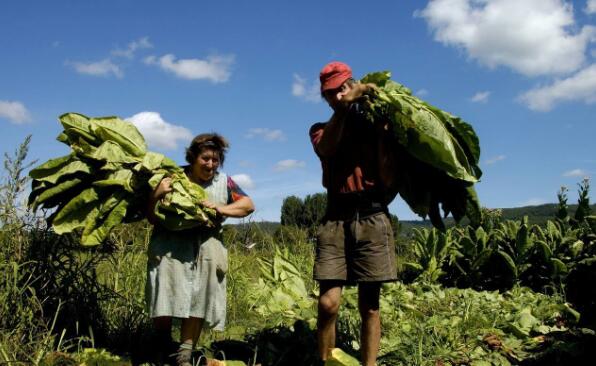
Since 2014, there have been calls for tobacco companies to prohibit all children from engaging in tobacco work, including handling tobacco that still contains nicotine. It has been reported that there are also health issues associated with sorting or preparing tobacco for sale.
Although companies have not yet implemented strong enough measures to enforce this ban, the new requirements can protect millions of children from nicotine poisoning. This policy took effect at the start of the recent tobacco growing season, and its actual impact remains unknown. Training, implementation, and monitoring within the complex global supply chain will be challenging, but there is hope for success.


