
Are E-Cigarettes Harmful to the Human Body?
I had been smoking for ten years. After coming down with acute pharyngitis once, I still found it hard to get rid of my dependence on nicotine, so I started using e-cigarettes. I’ve been vaping for some time now. There may be some effects—for example, fre
I’ve been smoking for ten years, and after suffering from acute pharyngitis, I still find it hard to quit my dependence on nicotine. I then started using e-cigarettes and have been vaping for a while. If we talk about harm, there might be some, like I feel my taste and flavor perception have changed a bit. So far, I haven’t experienced any physical discomfort; previously, when I smoked traditional cigarettes, I would gag and cough when brushing my teeth in the morning. After switching to e-cigarettes, those symptoms disappeared.
The question of whether e-cigarettes are harmful needs to be explained from two aspects. First is hardware safety, which refers to the e-cigarette device kit. The kit consists of two parts: the power part (the vape pen or battery box) and the atomization part (atomizer, e-liquid tank, etc.). In fact, there are no corresponding national standards for the e-cigarette industry in various countries; as a product invented by Chinese people, most hardware is made in China. Of course, after 2013, some e-cigarettes produced locally in Europe and the US began to appear. Although they still rely on Chinese suppliers for materials, their growth trend has significantly outpaced that of domestic e-cigarettes, especially in the high-end large vapor devices, where domestic manufacturers have been heavily squeezed, leading many Chinese e-cigarette manufacturers to switch to producing balance bikes. Manufacturers generally follow self-regulatory standards within the industry. Early e-cigarettes (before 2012) often had negative news regarding battery safety reported in the US, but most of these incidents were due to users DIYing without understanding the special nature of e-cigarette batteries. After 2012, the market share of e-cigarettes in Europe and the US skyrocketed, but negative reports about device safety significantly decreased. It can be said that hardware produced by reputable manufacturers has a certain guarantee of safety.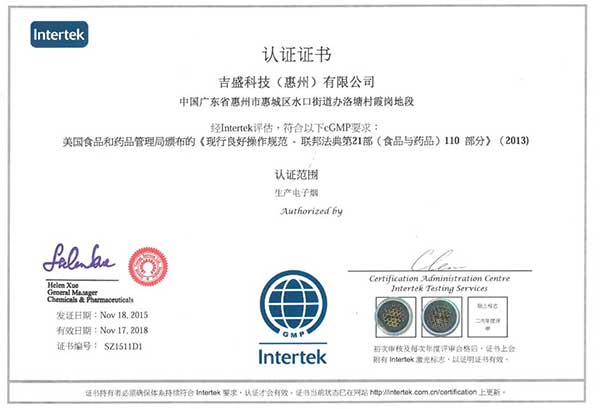 Secondly, there’s software safety, which refers to the e-liquid. For most users, the safety of e-liquid is a more pressing concern since it’s an ingested product. However, the awkward part is that due to the emerging nature of the industry, there are no mandatory national standards for the production, manufacturing, and circulation of e-liquids. Even countries like the US, France, Germany, and Italy do not have a national standard or even an industry standard. The UK only has an entry standard for e-cigarette manufacturers wishing to enter its social security system.
The main components of e-liquid are PG and VG. PG, or propylene glycol, is widely used in food, pharmaceuticals, and cosmetics, and has a low level of danger. E-cigarettes use propylene glycol both as a humectant and as a solvent for flavoring agents. VG is vegetable glycerin, which is harmless. Regarding the proportion of PG and VG in e-liquids, some Western countries have no suggested regulations—like the US; some have suggested regulations of 20:80 or 30:70—like France. It’s rare to find a 50:50 or 40:60 ratio on the market.
Another highly questioned aspect of e-liquid is the nicotine (nicotine) content standard. E-liquids without nicotine are certainly much safer than those containing nicotine. However, for smokers, whether for quitting or for enjoyment (like the devices mentioned in the question that produce large vapor clouds), it’s unlikely they would start with nicotine-free e-liquid. In the early days of e-cigarettes, manufacturers would bundle e-liquids with their devices, so most early e-liquid manufacturers were made in China. The nicotine content was self-regulated to a standard of 20mg/ml. Of course, there are a few small brands that produce e-liquids exceeding the 20mg/ml standard to meet the cravings of Western consumers (I’ve seen e-liquids with nicotine content as high as 48mg in the US). As the market share of e-cigarettes and the number of industry personnel rapidly increased, governments worldwide have tightened regulations on e-liquids. For example, Germany prohibits the import of e-liquids from China, and only a few states can produce and sell nicotine-containing e-liquids in Germany. Countries like France and the UK allow the import of nicotine-containing e-liquids from China, but they must comply with EU recommended standards, not exceeding 20mg/ml. In the US, domestically produced e-liquids have largely taken over the market share of imported e-liquids. In the US, only a few small brands (simulated cigarettes) still use imported e-liquids.
Finally, there are small amounts of flavoring agents and alcohol. Especially the quality of flavoring materials largely determines the taste of e-liquids. Generally speaking, e-liquids produced in Western countries have much better quality and purity of flavoring agents compared to domestic ones, and since domestic e-liquids often compete solely on price, their quality (which vaping enthusiasts often refer to as flavor) tends to be inferior. Some previously well-known domestic e-liquid brands or OEM factories have seen their market share shrink significantly overseas. The once-dominant position of Chinese e-liquids in the global market has now been largely squeezed out of major Western countries. As for alcohol, industrial alcohol generally does not appear, even in very low concentrations. However, I have seen a domestic e-liquid that used industrial alcohol (because it was cheap), and that factory eventually went bankrupt in 2014.
For the emerging e-cigarette industry, from the product and usage perspective, as long as the hardware is produced by reputable manufacturers, its safety is generally guaranteed. In terms of flavor, domestic e-liquids have a noticeable gap compared to Western ones. In terms of quality, I personally believe that not all imported products are necessarily better than domestic ones. I have visited some e-liquid manufacturers in the West, and in terms of automation and hygiene, they are not necessarily superior to domestic ones. With the popularity of e-cigarettes, at their peak, there were over 3,000 e-liquid brands and more than 9,000 e-liquid flavors in the US alone (data from 2014).
#p#分页标题#e#
Secondly, there’s software safety, which refers to the e-liquid. For most users, the safety of e-liquid is a more pressing concern since it’s an ingested product. However, the awkward part is that due to the emerging nature of the industry, there are no mandatory national standards for the production, manufacturing, and circulation of e-liquids. Even countries like the US, France, Germany, and Italy do not have a national standard or even an industry standard. The UK only has an entry standard for e-cigarette manufacturers wishing to enter its social security system.
The main components of e-liquid are PG and VG. PG, or propylene glycol, is widely used in food, pharmaceuticals, and cosmetics, and has a low level of danger. E-cigarettes use propylene glycol both as a humectant and as a solvent for flavoring agents. VG is vegetable glycerin, which is harmless. Regarding the proportion of PG and VG in e-liquids, some Western countries have no suggested regulations—like the US; some have suggested regulations of 20:80 or 30:70—like France. It’s rare to find a 50:50 or 40:60 ratio on the market.
Another highly questioned aspect of e-liquid is the nicotine (nicotine) content standard. E-liquids without nicotine are certainly much safer than those containing nicotine. However, for smokers, whether for quitting or for enjoyment (like the devices mentioned in the question that produce large vapor clouds), it’s unlikely they would start with nicotine-free e-liquid. In the early days of e-cigarettes, manufacturers would bundle e-liquids with their devices, so most early e-liquid manufacturers were made in China. The nicotine content was self-regulated to a standard of 20mg/ml. Of course, there are a few small brands that produce e-liquids exceeding the 20mg/ml standard to meet the cravings of Western consumers (I’ve seen e-liquids with nicotine content as high as 48mg in the US). As the market share of e-cigarettes and the number of industry personnel rapidly increased, governments worldwide have tightened regulations on e-liquids. For example, Germany prohibits the import of e-liquids from China, and only a few states can produce and sell nicotine-containing e-liquids in Germany. Countries like France and the UK allow the import of nicotine-containing e-liquids from China, but they must comply with EU recommended standards, not exceeding 20mg/ml. In the US, domestically produced e-liquids have largely taken over the market share of imported e-liquids. In the US, only a few small brands (simulated cigarettes) still use imported e-liquids.
Finally, there are small amounts of flavoring agents and alcohol. Especially the quality of flavoring materials largely determines the taste of e-liquids. Generally speaking, e-liquids produced in Western countries have much better quality and purity of flavoring agents compared to domestic ones, and since domestic e-liquids often compete solely on price, their quality (which vaping enthusiasts often refer to as flavor) tends to be inferior. Some previously well-known domestic e-liquid brands or OEM factories have seen their market share shrink significantly overseas. The once-dominant position of Chinese e-liquids in the global market has now been largely squeezed out of major Western countries. As for alcohol, industrial alcohol generally does not appear, even in very low concentrations. However, I have seen a domestic e-liquid that used industrial alcohol (because it was cheap), and that factory eventually went bankrupt in 2014.
For the emerging e-cigarette industry, from the product and usage perspective, as long as the hardware is produced by reputable manufacturers, its safety is generally guaranteed. In terms of flavor, domestic e-liquids have a noticeable gap compared to Western ones. In terms of quality, I personally believe that not all imported products are necessarily better than domestic ones. I have visited some e-liquid manufacturers in the West, and in terms of automation and hygiene, they are not necessarily superior to domestic ones. With the popularity of e-cigarettes, at their peak, there were over 3,000 e-liquid brands and more than 9,000 e-liquid flavors in the US alone (data from 2014).
#p#分页标题#e# E-cigarettes, as a substitute for traditional cigarettes and a means to help quit smoking, should be recognized for their positive image; otherwise, the UK wouldn’t have included them in the medical insurance reimbursement system. Of course, negative doubts always exist. The doubts mainly focus on whether e-liquid contains excessive heavy metals (some domestic e-liquids before 2012), whether e-cigarettes harm respiratory health, whether nicotine should be allowed to be added to e-cigarettes, how much should be added, whether there should be age restrictions on e-cigarette use (for example, different states in the US have different age requirements for e-cigarette purchasers), whether e-cigarettes should be regulated under the tobacco or pharmaceutical industries (like in the US), whether e-cigarettes can genuinely help people quit smoking, and whether e-cigarettes will lead non-smokers to become addicted. Many of those questioning have never used e-cigarettes themselves and are often representatives of tobacco industry interests. After all, e-cigarettes pose a significant threat to traditional cigarettes, especially in the Western market.
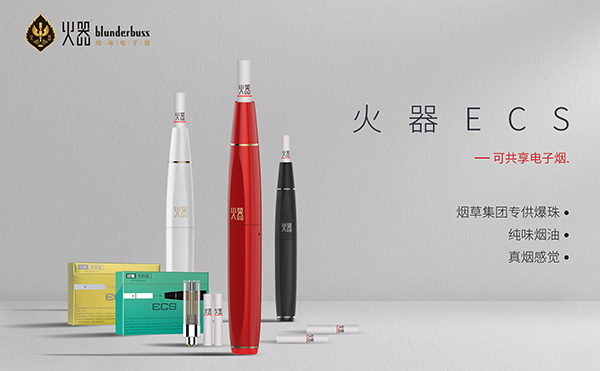 E-cigarettes, whether in hardware or software, I believe that the safety of products produced by reputable manufacturers is significantly higher. Absolute safety does not exist; consider everything we eat, wear, use, and breathe daily; none can guarantee absolute safety. E-cigarettes, as an important invention by the Chinese, leading a consumption habit and creating a culture, should be recognized. At the very least, e-cigarettes are much safer than traditional cigarettes. Of course, for those asking, if you don’t smoke but want to try vaping with large clouds, I recommend choosing e-liquids that contain absolutely no nicotine.
Related Articles

Vaping News
Ahead of a Nationwide Ban, Hundreds of Russian Retailers Voluntarily Stop Selling Vapes
2026-04-16

Vaping News
Illegal Vape Brands Try to Evade FDA Scrutiny by Posing as “Made in the USA”
2026-04-08

Vaping News
Jordan’s New Tobacco Control Rules: Waterpipe Tobacco Market Set for Major Changes
2026-03-17