
What Are the Correct Ways to Quit Smoking?
Ask any smoker who has tried to quit, and they will probably tell you the same thing: quitting is not easy. Addiction changes the way our brains are wired. Through repeated overstimulation, the brain adapts to a new normal. When that normal is interrupted
Ask any smoker trying to quit, and they might tell you the same thing - quitting smoking is not easy. Addiction alters our brain connections, and through overstimulation, our brains have adapted to what feels 'normal.' When that normalcy is interrupted, an emotional world follows, which is why nicotine products are often effective for quitting. They essentially buffer the withdrawal symptoms by maintaining a flow of nicotine, allowing you to gradually reduce your smoking.
While this may work for some, for me, continuously stimulating my brain with the same substance had the opposite effect, and I wondered if continuing to use nicotine would lead to a relapse. When I tried to quit smoking, I sought a more natural buffer between myself and the cravings, and I experimented with seven different holistic therapies for quitting.
Over the years, I have tried several methods to quit smoking, but nothing seemed to work well. I know that every successful quitter would give me the same advice: "You have to be ready to quit smoking." Of course, maybe I wasn't ready to quit! Research indicates that a person's commitment and self-efficacy are often the biggest factors in rejecting cigarettes. My previous failed attempts only proved their point; my reasons and excuses for sneaking a puff would undermine the effectiveness of nicotine patches. However, while my mind may not have been ready to quit, my body was definitely ready. There is no denying that smoking is a major avenue affecting my health. There must be better ways to help me quit smoking.
So, I looked forward to holistic remedies. I spent months completing my experiments, and as I expected, I stumbled several times. It was definitely not an easy road, but in the end, there was one surprising technique that actually seemed to work. Here are the seven holistic methods I tried to quit smoking.
1. Acupuncture
Research shows that acupuncture can stimulate the brain to produce endorphins, alleviating the pain of withdrawal symptoms. The trouble I found with acupuncture was that I felt carefree for about four to six hours after the treatment, and then I would return to feeling normal, on the edge of irritability. The euphoria from the needles would fade, and I would feel very frustrated and restless, wanting a cigarette. To be fair, I started acupuncture after I decided to quit smoking. So, I decided to give it another try.
After my first treatment, I went home, did some yoga, and played with my tarot cards. I woke up proud of myself for not smoking, but as time went on, my nerves followed suit. I smoked during lunch, and while my joy crumbled, it wasn't as strong as when I first tried acupuncture to quit smoking, but the desire not to smoke faded quickly. Unless I had a method and time to do acupuncture daily, I saw that this method could be effective for me. I ended up with two expensive treatments, looking for the next method.
2. Cardamom Seeds
This natural remedy, cardamom seeds, can stop cigarette cravings as a top spice. This is largely due to chewing the small seeds directly: they are powerful, herbal, and spicy, while also having antidepressant properties that stabilize and stimulate. In aromatherapy, essential oils are used to combat sluggishness, apathy, and lack of motivation. Our olfactory system is closely linked to smell and emotion, so the aroma, taste, and natural oils of cardamom are very enticing. I filled a jar with fresh seeds to chew on, and after two weeks of chewing without using tobacco, I felt ready for my smoke-free world. Chewing cardamom seeds proved to be an effective way to curb my cravings.
Unfortunately, my other lifestyle habits did not sync with my reduced nicotine lifestyle, and after a while, a day of drinking coffee and later alcohol broke my chewing therapy. Subsequently, I broke my promise and smoked five cigarettes in one day, although to be fair, that day was much less than my previous pack.
3. Herbal Cigarettes
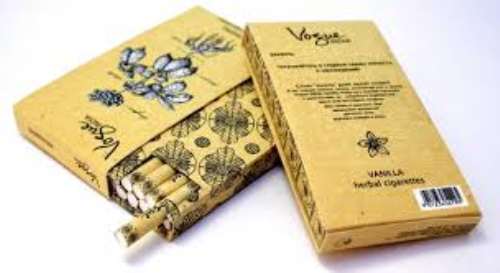
After cardamom seeds, I moved on to herbal cigarettes. These nicotine-free cigarettes are often used by smokers as a substitute for nicotine therapy. According to "Quit Smoking 18 Times," they work for some people because they focus on the psychological aspects of smoking; many recent quitters prefer to struggle through inhalers instead of the physical act of smoking. Unfortunately, this did not have the same calming effect for me. I tried yoga, went for walks, and even made a smoothie, but ultimately succumbed.
4. Matcha Green Tea
After the herbal cigarette failure, I took a long break, resting for a month. In my experiments, I found that coffee was a major trigger for relapse, so I started drinking a custom blend of tea in the mornings to stay away from coffee beans. I was curious to see if casually drinking matcha could serve as a new aid for quitting smoking.
Relying solely on matcha did not prevent me from inevitably lighting a cigarette, but it did help reduce the intensity and fluctuations of cravings. Historically, my smoking relapses were often the result of overwhelming irritability, so I was grateful that it kept me focused, more energized, and calm. Although I only had three smoke-free days during my two-week matcha experiment, I still considered it a success. While trying to quit smoking, I somehow became less addicted to coffee, which also eliminated a significant barrier to successfully staying away from cigarettes. Although matcha green tea did not completely rid me of my cravings, I felt my mood stabilize; switching to a cup of matcha green tea in the morning instead of coffee reduced my smoking by about 50% throughout the day.
5. Ginger Candy
Ginger has many calming effects on the body, including digestive support, which is always helpful when quitting smoking; withdrawal symptoms often bring physical nausea and stomach discomfort. More importantly, ginger enhances memory and focus, both of which are difficult to achieve when you are in withdrawal. Unfortunately, I found using essential oils to be more effective than ginger candy.
6. Aromatherapy
As an aromatherapist, I felt that essential oils could suppress my cravings through the power of scent. When inhaled, essential oils quickly reach our olfactory mucosa, entering the limbic system, triggering memories and emotions. Black pepper has analgesic properties that alleviate the pain of withdrawal symptoms, providing strength and courage. Once I added essential oils, I was surprised to find that my cravings for cigarettes diminished. I still wanted a cigarette, but I could manage it more easily. I found that I could go an entire day without a cigarette without any issues. Shortly after my experiment ended, I continued to use my essential oil inhaler and sniffing salts to curb cravings, relieve stress, and awaken my inner nature.
7. Hypnotherapy
If there was a clear winner in my experiment, it would be hypnotherapy. When I went to see Joan Teasdale, a certified hypnotherapist, I didn't have high expectations, but I was curious about how it worked. I had a total of three sessions. In the first session, we spent about an hour exploring how my subconscious works and the reasons for my addiction. One of the excuses I continued to use for abusing tobacco was that this addiction could easily be replaced with another, like exercise or sugar. The actual hypnosis began to eliminate many of the positive associations I had with cigarettes, replacing them with the idea that I didn't need cigarettes, that they were not a luxury or reward, but toxic and obstructive to what I wanted.
Once my therapy ended, I realized I had many clear reasons for why I picked up a cigarette and my susceptibility to other addictions. I realized I had everything I needed to survive and be happy, and smoking was just an anchor. After each session, I felt calmer and more restored. After the first session, I smoked, and the second session was sporadic, but the impact on my quitting was profound.
Hypnotherapy works on addiction because it delves into the root of the addiction in the mind. Research shows that hypnotherapy can effectively treat addiction by creating personal awareness, clearing memories and habits formed early on, which is not easy to do in our waking state.
Experiment Results
Hypnotherapy had the most significant impact on my overall quitting methods, possibly the most impactful in my adult life. Because hypnotherapy worked for me, unlike other methods, it did not require me to replace cigarettes with something else but rather fundamentally understood why I was a smoker. Bringing the negative aspects of smoking into my subconscious, my insecure happy thoughts forced me to glamorize cigarettes. Smoking is not the only thing that needs to be examined; there are emotional dependencies on food, socializing, drinking, and similar behaviors that I suddenly realized I needed to be fully aware of to quit smoking.
I have been nicotine-free for several months now, and my dependence and abuse of tobacco feel more like a bad habit than an addiction. I use essential oils with sniffing salts, and when I feel down, I use homemade herbal tobacco. It hasn't been easy, but overall, I consider this experiment a success.
While this may work for some, for me, continuously stimulating my brain with the same substance had the opposite effect, and I wondered if continuing to use nicotine would lead to a relapse. When I tried to quit smoking, I sought a more natural buffer between myself and the cravings, and I experimented with seven different holistic therapies for quitting.
Over the years, I have tried several methods to quit smoking, but nothing seemed to work well. I know that every successful quitter would give me the same advice: "You have to be ready to quit smoking." Of course, maybe I wasn't ready to quit! Research indicates that a person's commitment and self-efficacy are often the biggest factors in rejecting cigarettes. My previous failed attempts only proved their point; my reasons and excuses for sneaking a puff would undermine the effectiveness of nicotine patches. However, while my mind may not have been ready to quit, my body was definitely ready. There is no denying that smoking is a major avenue affecting my health. There must be better ways to help me quit smoking.
So, I looked forward to holistic remedies. I spent months completing my experiments, and as I expected, I stumbled several times. It was definitely not an easy road, but in the end, there was one surprising technique that actually seemed to work. Here are the seven holistic methods I tried to quit smoking.
1. Acupuncture
Research shows that acupuncture can stimulate the brain to produce endorphins, alleviating the pain of withdrawal symptoms. The trouble I found with acupuncture was that I felt carefree for about four to six hours after the treatment, and then I would return to feeling normal, on the edge of irritability. The euphoria from the needles would fade, and I would feel very frustrated and restless, wanting a cigarette. To be fair, I started acupuncture after I decided to quit smoking. So, I decided to give it another try.
After my first treatment, I went home, did some yoga, and played with my tarot cards. I woke up proud of myself for not smoking, but as time went on, my nerves followed suit. I smoked during lunch, and while my joy crumbled, it wasn't as strong as when I first tried acupuncture to quit smoking, but the desire not to smoke faded quickly. Unless I had a method and time to do acupuncture daily, I saw that this method could be effective for me. I ended up with two expensive treatments, looking for the next method.
2. Cardamom Seeds
This natural remedy, cardamom seeds, can stop cigarette cravings as a top spice. This is largely due to chewing the small seeds directly: they are powerful, herbal, and spicy, while also having antidepressant properties that stabilize and stimulate. In aromatherapy, essential oils are used to combat sluggishness, apathy, and lack of motivation. Our olfactory system is closely linked to smell and emotion, so the aroma, taste, and natural oils of cardamom are very enticing. I filled a jar with fresh seeds to chew on, and after two weeks of chewing without using tobacco, I felt ready for my smoke-free world. Chewing cardamom seeds proved to be an effective way to curb my cravings.
Unfortunately, my other lifestyle habits did not sync with my reduced nicotine lifestyle, and after a while, a day of drinking coffee and later alcohol broke my chewing therapy. Subsequently, I broke my promise and smoked five cigarettes in one day, although to be fair, that day was much less than my previous pack.
3. Herbal Cigarettes
After cardamom seeds, I moved on to herbal cigarettes. These nicotine-free cigarettes are often used by smokers as a substitute for nicotine therapy. According to "Quit Smoking 18 Times," they work for some people because they focus on the psychological aspects of smoking; many recent quitters prefer to struggle through inhalers instead of the physical act of smoking. Unfortunately, this did not have the same calming effect for me. I tried yoga, went for walks, and even made a smoothie, but ultimately succumbed.
4. Matcha Green Tea
After the herbal cigarette failure, I took a long break, resting for a month. In my experiments, I found that coffee was a major trigger for relapse, so I started drinking a custom blend of tea in the mornings to stay away from coffee beans. I was curious to see if casually drinking matcha could serve as a new aid for quitting smoking.
Relying solely on matcha did not prevent me from inevitably lighting a cigarette, but it did help reduce the intensity and fluctuations of cravings. Historically, my smoking relapses were often the result of overwhelming irritability, so I was grateful that it kept me focused, more energized, and calm. Although I only had three smoke-free days during my two-week matcha experiment, I still considered it a success. While trying to quit smoking, I somehow became less addicted to coffee, which also eliminated a significant barrier to successfully staying away from cigarettes. Although matcha green tea did not completely rid me of my cravings, I felt my mood stabilize; switching to a cup of matcha green tea in the morning instead of coffee reduced my smoking by about 50% throughout the day.
5. Ginger Candy
Ginger has many calming effects on the body, including digestive support, which is always helpful when quitting smoking; withdrawal symptoms often bring physical nausea and stomach discomfort. More importantly, ginger enhances memory and focus, both of which are difficult to achieve when you are in withdrawal. Unfortunately, I found using essential oils to be more effective than ginger candy.
6. Aromatherapy
As an aromatherapist, I felt that essential oils could suppress my cravings through the power of scent. When inhaled, essential oils quickly reach our olfactory mucosa, entering the limbic system, triggering memories and emotions. Black pepper has analgesic properties that alleviate the pain of withdrawal symptoms, providing strength and courage. Once I added essential oils, I was surprised to find that my cravings for cigarettes diminished. I still wanted a cigarette, but I could manage it more easily. I found that I could go an entire day without a cigarette without any issues. Shortly after my experiment ended, I continued to use my essential oil inhaler and sniffing salts to curb cravings, relieve stress, and awaken my inner nature.
7. Hypnotherapy
If there was a clear winner in my experiment, it would be hypnotherapy. When I went to see Joan Teasdale, a certified hypnotherapist, I didn't have high expectations, but I was curious about how it worked. I had a total of three sessions. In the first session, we spent about an hour exploring how my subconscious works and the reasons for my addiction. One of the excuses I continued to use for abusing tobacco was that this addiction could easily be replaced with another, like exercise or sugar. The actual hypnosis began to eliminate many of the positive associations I had with cigarettes, replacing them with the idea that I didn't need cigarettes, that they were not a luxury or reward, but toxic and obstructive to what I wanted.
Once my therapy ended, I realized I had many clear reasons for why I picked up a cigarette and my susceptibility to other addictions. I realized I had everything I needed to survive and be happy, and smoking was just an anchor. After each session, I felt calmer and more restored. After the first session, I smoked, and the second session was sporadic, but the impact on my quitting was profound.
Hypnotherapy works on addiction because it delves into the root of the addiction in the mind. Research shows that hypnotherapy can effectively treat addiction by creating personal awareness, clearing memories and habits formed early on, which is not easy to do in our waking state.
Experiment Results
Hypnotherapy had the most significant impact on my overall quitting methods, possibly the most impactful in my adult life. Because hypnotherapy worked for me, unlike other methods, it did not require me to replace cigarettes with something else but rather fundamentally understood why I was a smoker. Bringing the negative aspects of smoking into my subconscious, my insecure happy thoughts forced me to glamorize cigarettes. Smoking is not the only thing that needs to be examined; there are emotional dependencies on food, socializing, drinking, and similar behaviors that I suddenly realized I needed to be fully aware of to quit smoking.
I have been nicotine-free for several months now, and my dependence and abuse of tobacco feel more like a bad habit than an addiction. I use essential oils with sniffing salts, and when I feel down, I use homemade herbal tobacco. It hasn't been easy, but overall, I consider this experiment a success.
Related Articles

Vaping News
Ahead of a Nationwide Ban, Hundreds of Russian Retailers Voluntarily Stop Selling Vapes
2026-04-16

Vaping News
Illegal Vape Brands Try to Evade FDA Scrutiny by Posing as “Made in the USA”
2026-04-08

Vaping News
Jordan’s New Tobacco Control Rules: Waterpipe Tobacco Market Set for Major Changes
2026-03-17