
What Are the Benefits of Quitting Smoking?
What are the benefits of quitting smoking? Many people do not know the specific benefits after quitting smoking and think it only lowers the risk of disease. That really underestimates the power of quitting. Below are my personal feelings after quitting f
What are the benefits of quitting smoking? Many people are unaware of the specific benefits of quitting smoking, thinking it merely reduces the risk of illness. This underestimates the power of quitting smoking. Here are my personal experiences six months after quitting, which friends can reference.
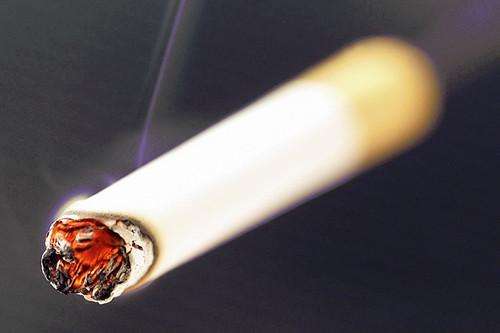 1. Brain—No longer dependent on cigarettes for pleasure
The chemicals in cigarettes can make the brain feel "good." After exposure to tobacco, cigarettes continuously affect the brain.
After quitting, nicotine in the brain is gradually cleared, and the chemical components in the brain can gradually return to normal.
If you can overcome cravings in the early stages of quitting, the brain will no longer rely on cigarettes for pleasure.
2. Lungs—"Brushes" start working again
After quitting, lung inflammation gradually decreases, and the lung cilia are no longer paralyzed, allowing them to return to working condition.
Lung cilia act as "brushes" for the lungs, primarily responsible for cleaning the lungs. A few days after quitting, they begin to self-repair, and normal function is expected to return within months.
Some people find it strange that they cough more after quitting, but this is normal because the lungs are undergoing self-cleaning.
3. Heart—Reduced risk of cardiovascular disease
Research abroad shows that: 20 minutes after quitting, heart rate and blood pressure return to normal;
8 hours after quitting, the levels of nicotine and carbon monoxide in the blood are halved, and oxygen levels return to normal;
Within 5 years of quitting, the risk of stroke can drop to a level similar to that of non-smokers;
Within 15 years of quitting, the risk of coronary heart disease can drop to a level similar to that of non-smokers.
4. Teeth—Become whiter and harder
Nicotine can cause teeth to turn black, gradually forming a layer that is a breeding ground for bacteria.
Therefore, after quitting, your teeth will gradually become whiter and harder.
1. Brain—No longer dependent on cigarettes for pleasureThe chemicals in cigarettes can make the brain feel "good." After exposure to tobacco, cigarettes continuously affect the brain.
After quitting, nicotine in the brain is gradually cleared, and the chemical components in the brain can gradually return to normal.
If you can overcome cravings in the early stages of quitting, the brain will no longer rely on cigarettes for pleasure.
2. Lungs—"Brushes" start working again
After quitting, lung inflammation gradually decreases, and the lung cilia are no longer paralyzed, allowing them to return to working condition.
Lung cilia act as "brushes" for the lungs, primarily responsible for cleaning the lungs. A few days after quitting, they begin to self-repair, and normal function is expected to return within months.
Some people find it strange that they cough more after quitting, but this is normal because the lungs are undergoing self-cleaning.
3. Heart—Reduced risk of cardiovascular disease
Research abroad shows that: 20 minutes after quitting, heart rate and blood pressure return to normal;
8 hours after quitting, the levels of nicotine and carbon monoxide in the blood are halved, and oxygen levels return to normal;
Within 5 years of quitting, the risk of stroke can drop to a level similar to that of non-smokers;
Within 15 years of quitting, the risk of coronary heart disease can drop to a level similar to that of non-smokers.
4. Teeth—Become whiter and harder
Nicotine can cause teeth to turn black, gradually forming a layer that is a breeding ground for bacteria.
Therefore, after quitting, your teeth will gradually become whiter and harder.
Related Articles

Vaping News
Ahead of a Nationwide Ban, Hundreds of Russian Retailers Voluntarily Stop Selling Vapes
2026-04-16

Vaping News
Illegal Vape Brands Try to Evade FDA Scrutiny by Posing as “Made in the USA”
2026-04-08

Vaping News
Jordan’s New Tobacco Control Rules: Waterpipe Tobacco Market Set for Major Changes
2026-03-17