
What Is the Difference Between Heated Tobacco Products and E-cigarettes?
In the past two years, IQOS and similar products have sparked a wave of attention in China. The “e-cigarettes” mentioned here are actually heated tobacco products, a type of new tobacco. According to Baidu Baike, new tobacco products are relative to tradi
In the past two years, a wave of "e-cigarette frenzy" led by IQOS has swept through China. The term "e-cigarette" in quotes actually refers to heated tobacco products, a type of new tobacco product. According to Baidu Encyclopedia, new tobacco products are those that contain tobacco or can produce smoke and flavor, providing the pleasure of inhalation to satisfy physiological needs, but do not belong to other categories of tobacco products such as cigarettes, roll-your-own, pipe tobacco, water pipes, cigars, small cigars, chewing tobacco, snuff, and oral tobacco products. It is generally believed that the main types are e-cigarettes and low-temperature cigarettes (i.e., heated tobacco products).
Some consumers may refer to IQOS-type products as e-cigarettes, which is actually a misconception. Although heated tobacco products operate on batteries, they still heat tobacco, so they cannot be strictly classified as e-cigarettes. On the other hand, e-liquids used in e-cigarettes do not contain tobacco, but since they contain nicotine, they still fall under the tobacco category. Therefore, heated tobacco products and e-cigarettes coexist as new tobacco products.
Where Did Heated Tobacco Products Come From?
The continuous innovation in tobacco technology and the increasing health demands of consumers have prompted major tobacco giants worldwide to explore new tobacco products. Since 1988, these tobacco giants have launched various brands such as Premier and Eclipse, using carbon heating, electric heating, and other forms of heated tobacco. However, due to the complex components of traditional tobacco, the restoration of flavor has never satisfied consumers. It wasn't until 2015 that the international tobacco giant Philip Morris produced the first generation of IQOS.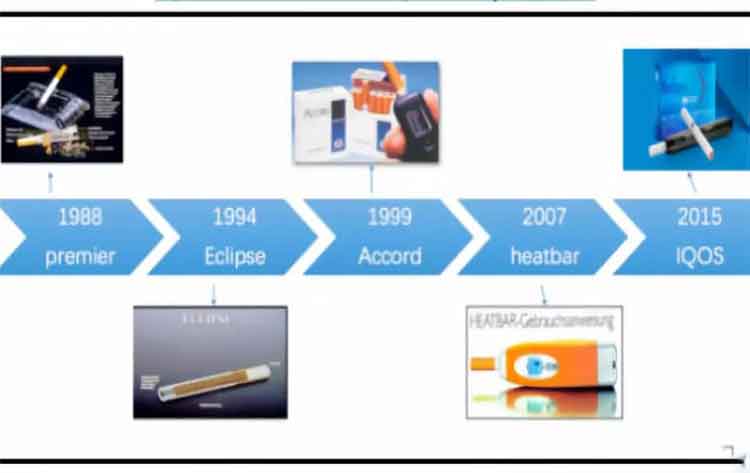
IQOS undoubtedly sparked a revolution in heated tobacco products, and this wave has also reached the Chinese market. It is well known that products like IQOS are not allowed to be sold in China. So, what is the attitude of the Chinese tobacco industry towards heated tobacco products? What future developments can we expect? Recently, China Tobacco participated in the formulation of national standards for e-cigarettes. In what direction will e-cigarettes head in the future? To address these questions, we conducted an exclusive interview with a practitioner from China Tobacco.
How Does the Traditional Tobacco Industry View E-Cigarettes?
Interviewer: How long have you been paying attention to the e-cigarette market?
Tobacco Practitioner: E-cigarettes have existed in China for a long time. It wasn't until 2-3 years ago that international tobacco giants like Philip Morris began to shift towards developing new tobacco products, which increased the traditional tobacco industry's attention towards e-cigarettes.
Interviewer: How do traditional tobacco companies view e-cigarettes in China?
Tobacco Practitioner: E-cigarettes are still considered a new product, and their classification has yet to be determined. Whether they will eventually be classified as tobacco products remains to be confirmed; there are still some issues regarding product production standards and market regulation in the e-cigarette industry.
Interviewer: China Tobacco recently participated in the formulation of a series of national standards for e-cigarettes regarding e-liquids, devices, packaging, etc. What changes do you think this will bring to the Chinese e-cigarette market?
Tobacco Practitioner: The involvement of traditional tobacco companies in formulating national standards for e-cigarettes will improve the current situation of inconsistent product standards and lack of management in the domestic e-cigarette market. This also means that the state or administrative departments will further regulate e-cigarettes.
 Interviewer: Will e-liquids containing nicotine be subject to national regulation in the future?
Tobacco Practitioner: Heated tobacco products containing tobacco must be regulated by the National Tobacco Bureau, while e-liquids containing nicotine currently do not have clear regulations.
How Does the Traditional Tobacco Industry Treat Heated Tobacco Products?
Interviewer: Foreign brands of heated tobacco products have a first-mover advantage in the market. What are your thoughts on this? What actions will China Tobacco take?
Tobacco Practitioner: New tobacco products are the trend, so the Chinese tobacco industry must regulate new tobacco products. Some traditional tobacco manufacturers are already developing heated tobacco products.
Interviewer: Will there be any market mechanisms for new tobacco products in the future? Will they enter supermarkets and online sales?
#p#分页标题#e#
Tobacco Practitioner: The retail of new tobacco products must still comply with relevant laws and regulations, and they can be wholesaled to tobacco stores by the National Tobacco Company, and may enter supermarkets, but online sales are currently difficult.
 Interviewer: In the future, is there a possibility of both domestic heated tobacco products and imported products coexisting in the market?
Tobacco Practitioner: There is a possibility. However, from the perspective of the domestic tobacco industry's interests, it is likely that domestic new tobacco products will be prioritized for development, with strict control over imports.
Interviewer: Given that China's e-cigarette manufacturing technology and factory facilities are very advanced, will China Tobacco possibly collaborate with some manufacturers in the future?
Tobacco Practitioner: There is a possibility.
In summary, as traditional tobacco companies begin to develop new tobacco products and the gradual implementation of national standards for e-cigarettes, the new tobacco sector in China is expected to develop rapidly and penetrate people's lives. This is not only a revolution in the traditional tobacco industry but also a response to people's health demands, and the new tobacco wave in China is about to arrive.
Some consumers may refer to IQOS-type products as e-cigarettes, which is actually a misconception. Although heated tobacco products operate on batteries, they still heat tobacco, so they cannot be strictly classified as e-cigarettes. On the other hand, e-liquids used in e-cigarettes do not contain tobacco, but since they contain nicotine, they still fall under the tobacco category. Therefore, heated tobacco products and e-cigarettes coexist as new tobacco products.
Where Did Heated Tobacco Products Come From?
The continuous innovation in tobacco technology and the increasing health demands of consumers have prompted major tobacco giants worldwide to explore new tobacco products. Since 1988, these tobacco giants have launched various brands such as Premier and Eclipse, using carbon heating, electric heating, and other forms of heated tobacco. However, due to the complex components of traditional tobacco, the restoration of flavor has never satisfied consumers. It wasn't until 2015 that the international tobacco giant Philip Morris produced the first generation of IQOS.
IQOS undoubtedly sparked a revolution in heated tobacco products, and this wave has also reached the Chinese market. It is well known that products like IQOS are not allowed to be sold in China. So, what is the attitude of the Chinese tobacco industry towards heated tobacco products? What future developments can we expect? Recently, China Tobacco participated in the formulation of national standards for e-cigarettes. In what direction will e-cigarettes head in the future? To address these questions, we conducted an exclusive interview with a practitioner from China Tobacco.
How Does the Traditional Tobacco Industry View E-Cigarettes?
Interviewer: How long have you been paying attention to the e-cigarette market?
Tobacco Practitioner: E-cigarettes have existed in China for a long time. It wasn't until 2-3 years ago that international tobacco giants like Philip Morris began to shift towards developing new tobacco products, which increased the traditional tobacco industry's attention towards e-cigarettes.
Interviewer: How do traditional tobacco companies view e-cigarettes in China?
Tobacco Practitioner: E-cigarettes are still considered a new product, and their classification has yet to be determined. Whether they will eventually be classified as tobacco products remains to be confirmed; there are still some issues regarding product production standards and market regulation in the e-cigarette industry.
Interviewer: China Tobacco recently participated in the formulation of a series of national standards for e-cigarettes regarding e-liquids, devices, packaging, etc. What changes do you think this will bring to the Chinese e-cigarette market?
Tobacco Practitioner: The involvement of traditional tobacco companies in formulating national standards for e-cigarettes will improve the current situation of inconsistent product standards and lack of management in the domestic e-cigarette market. This also means that the state or administrative departments will further regulate e-cigarettes.
Interviewer: Will e-liquids containing nicotine be subject to national regulation in the future?Tobacco Practitioner: Heated tobacco products containing tobacco must be regulated by the National Tobacco Bureau, while e-liquids containing nicotine currently do not have clear regulations.
How Does the Traditional Tobacco Industry Treat Heated Tobacco Products?
Interviewer: Foreign brands of heated tobacco products have a first-mover advantage in the market. What are your thoughts on this? What actions will China Tobacco take?
Tobacco Practitioner: New tobacco products are the trend, so the Chinese tobacco industry must regulate new tobacco products. Some traditional tobacco manufacturers are already developing heated tobacco products.
Interviewer: Will there be any market mechanisms for new tobacco products in the future? Will they enter supermarkets and online sales?
#p#分页标题#e#
Tobacco Practitioner: The retail of new tobacco products must still comply with relevant laws and regulations, and they can be wholesaled to tobacco stores by the National Tobacco Company, and may enter supermarkets, but online sales are currently difficult.
Interviewer: In the future, is there a possibility of both domestic heated tobacco products and imported products coexisting in the market?Tobacco Practitioner: There is a possibility. However, from the perspective of the domestic tobacco industry's interests, it is likely that domestic new tobacco products will be prioritized for development, with strict control over imports.
Interviewer: Given that China's e-cigarette manufacturing technology and factory facilities are very advanced, will China Tobacco possibly collaborate with some manufacturers in the future?
Tobacco Practitioner: There is a possibility.
In summary, as traditional tobacco companies begin to develop new tobacco products and the gradual implementation of national standards for e-cigarettes, the new tobacco sector in China is expected to develop rapidly and penetrate people's lives. This is not only a revolution in the traditional tobacco industry but also a response to people's health demands, and the new tobacco wave in China is about to arrive.
Related Articles

Vaping News
Ahead of a Nationwide Ban, Hundreds of Russian Retailers Voluntarily Stop Selling Vapes
2026-04-16

Vaping News
Illegal Vape Brands Try to Evade FDA Scrutiny by Posing as “Made in the USA”
2026-04-08

Vaping News
Jordan’s New Tobacco Control Rules: Waterpipe Tobacco Market Set for Major Changes
2026-03-17