
After Quitting Smoking, Eat These 6 Foods to Speed Up Lung Detox
As the harms of smoking have become widely recognized, health awareness has gradually strengthened. Many smokers are joining the ranks of quitting, but many people worry whether quitting will instead shorten lifespan, or whether the lungs can recover afte
As the dangers of smoking become increasingly recognized, health awareness is gradually strengthening. Many "smokers" are joining the ranks of those quitting, but many worry whether quitting smoking will actually shorten their lifespan or if their lungs can recover after quitting. Next, let's take a look at whether a person's lungs can return to normal after quitting smoking and if there are methods to help detoxify the lungs post-quitting.
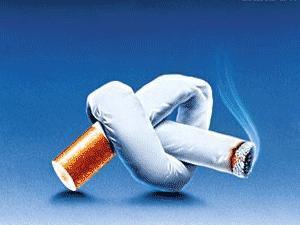
Smoking poses systemic harm to the body
Cigarettes are a major cause of cancer, cardiovascular diseases, respiratory diseases, and can also affect the reproductive systems of both genders, skin health, and more, causing systemic harm to the body.
Among these, lung cancer is the most direct and dangerous disease caused by smoking. According to Professor Zhang Li, the head of the Department of Internal Medicine at Sun Yat-sen University Cancer Center, in an interview with Family Doctor Online, the risk of lung cancer increases with the amount of tobacco consumed and the number of years of smoking. If a person's smoking index exceeds 600 (smoking index = daily number of cigarettes smoked × number of years smoked), then that person is at high risk for lung cancer.
Can a person's lungs recover after quitting smoking?
If one successfully quits smoking before the age of 35, the lungs can return to normal through self-repair, and life expectancy will be consistent with that of non-smokers. Research indicates that among those who quit smoking for six months, respiratory function gradually improves, and lung function begins to return to normal. After one year of quitting, the risk of cardiovascular diseases can be reduced by 50%; after five years, the risk of stroke decreases to the same level as non-smokers; and after ten years, the risk of lung cancer becomes similar to that of non-smokers. For "long-term smokers," while the effects of quitting may not be as pronounced as for younger individuals, it still helps prevent cardiovascular diseases, cancer, and other related illnesses.
Of course, quitting smoking may lead to a series of symptoms such as sleep disturbances, insomnia, drowsiness, difficulty falling asleep, mouth ulcers, dry mouth and thirst, coughing, coughing up black phlegm, mental tension, anxiety, irritability, and mood swings. Especially for those who smoke more than 20 cigarettes a day for over 20 or 30 years, the dependence on nicotine is severe, and withdrawal symptoms will be more pronounced. Therefore, when quitting smoking, it is advisable to seek professional methods and avoid quitting abruptly to prevent excessive reactions that could harm the body.
Eat these 6 foods to speed up lung detox after quitting smoking
1. Honey
Honey is a very beneficial food for health, with a sweet and neutral taste, which can moisten the lungs and detoxify. Regular consumption of honey is beneficial for treating coughs and lung dryness, and has certain efficacy in clearing and moistening the lungs.
2. Pig's blood
Folklore suggests that pig's blood helps clear the lungs. Modern medical research has found that the proteins in pig's blood, when broken down by stomach acid, produce substances that can react with dust and harmful metal particles in the body, which are then excreted.
3. Black fungus
A type of plant gelatin in black fungus has a strong adsorption capacity, which can moisten the lungs and cleanse the blood. Regular consumption is beneficial for eliminating pollutants from the body.
4. Radish
Radish is a detox food for the lungs. In traditional Chinese medicine, the relationship between the large intestine and the lungs is the closest, and the degree to which the lungs expel toxins depends on whether the large intestine is functioning well. Radish can help the large intestine expel waste, and can be eaten raw or made into salads.
5. Lemon
Lemons are rich in vitamin C, vitamin B1, vitamin B2, and various nutrients, as well as organic acids like citric acid. The high alkalinity of lemons can help relieve coughs, reduce phlegm, and promote digestion, effectively aiding lung detoxification.
6. Lily
Lily enhances the lungs' ability to resist toxins. It has excellent effects on nourishing the lungs and moistening dryness, helping the lungs combat toxins.
Smoking poses systemic harm to the body
Cigarettes are a major cause of cancer, cardiovascular diseases, respiratory diseases, and can also affect the reproductive systems of both genders, skin health, and more, causing systemic harm to the body.
Among these, lung cancer is the most direct and dangerous disease caused by smoking. According to Professor Zhang Li, the head of the Department of Internal Medicine at Sun Yat-sen University Cancer Center, in an interview with Family Doctor Online, the risk of lung cancer increases with the amount of tobacco consumed and the number of years of smoking. If a person's smoking index exceeds 600 (smoking index = daily number of cigarettes smoked × number of years smoked), then that person is at high risk for lung cancer.
Can a person's lungs recover after quitting smoking?
If one successfully quits smoking before the age of 35, the lungs can return to normal through self-repair, and life expectancy will be consistent with that of non-smokers. Research indicates that among those who quit smoking for six months, respiratory function gradually improves, and lung function begins to return to normal. After one year of quitting, the risk of cardiovascular diseases can be reduced by 50%; after five years, the risk of stroke decreases to the same level as non-smokers; and after ten years, the risk of lung cancer becomes similar to that of non-smokers. For "long-term smokers," while the effects of quitting may not be as pronounced as for younger individuals, it still helps prevent cardiovascular diseases, cancer, and other related illnesses.
Of course, quitting smoking may lead to a series of symptoms such as sleep disturbances, insomnia, drowsiness, difficulty falling asleep, mouth ulcers, dry mouth and thirst, coughing, coughing up black phlegm, mental tension, anxiety, irritability, and mood swings. Especially for those who smoke more than 20 cigarettes a day for over 20 or 30 years, the dependence on nicotine is severe, and withdrawal symptoms will be more pronounced. Therefore, when quitting smoking, it is advisable to seek professional methods and avoid quitting abruptly to prevent excessive reactions that could harm the body.
Eat these 6 foods to speed up lung detox after quitting smoking
1. Honey
Honey is a very beneficial food for health, with a sweet and neutral taste, which can moisten the lungs and detoxify. Regular consumption of honey is beneficial for treating coughs and lung dryness, and has certain efficacy in clearing and moistening the lungs.
2. Pig's blood
Folklore suggests that pig's blood helps clear the lungs. Modern medical research has found that the proteins in pig's blood, when broken down by stomach acid, produce substances that can react with dust and harmful metal particles in the body, which are then excreted.
3. Black fungus
A type of plant gelatin in black fungus has a strong adsorption capacity, which can moisten the lungs and cleanse the blood. Regular consumption is beneficial for eliminating pollutants from the body.
4. Radish
Radish is a detox food for the lungs. In traditional Chinese medicine, the relationship between the large intestine and the lungs is the closest, and the degree to which the lungs expel toxins depends on whether the large intestine is functioning well. Radish can help the large intestine expel waste, and can be eaten raw or made into salads.
5. Lemon
Lemons are rich in vitamin C, vitamin B1, vitamin B2, and various nutrients, as well as organic acids like citric acid. The high alkalinity of lemons can help relieve coughs, reduce phlegm, and promote digestion, effectively aiding lung detoxification.
6. Lily
Lily enhances the lungs' ability to resist toxins. It has excellent effects on nourishing the lungs and moistening dryness, helping the lungs combat toxins.
Related Articles

Vaping News
Ahead of a Nationwide Ban, Hundreds of Russian Retailers Voluntarily Stop Selling Vapes
2026-04-16

Vaping News
Illegal Vape Brands Try to Evade FDA Scrutiny by Posing as “Made in the USA”
2026-04-08

Vaping News
Jordan’s New Tobacco Control Rules: Waterpipe Tobacco Market Set for Major Changes
2026-03-17