
Juul E-cigarettes Have Excessive Nicotine Content, Harming Teen Health
Roswell Park Comprehensive Cancer Center in the United States is the only National Cancer Institute-designated comprehensive cancer center in northern New York State, founded in 1898. Since 2017, e-cigarettes represented by Juul and pod products have beco
Juul e-cigarettes have excessive nicotine content, harming teen health. The Roswell Park Comprehensive Cancer Center is the only National Cancer Institute-designated comprehensive cancer research center in northern New York, established in 1898. Since 2017, e-cigarettes represented by Juul and "pod" products have become increasingly popular among teenagers. Research conducted by Roswell Park Comprehensive Cancer Center on teenage users of Juul e-cigarettes found that the nicotine content in these e-cigarettes is nearly as high as that in traditional cigarettes; moreover, the high concentration of nicotine salts in the new generation of vape products is more easily absorbed by the human body, raising concerns about the potential for addiction to e-cigarettes.
A new study on teenage e-cigarette use states that young users of the new generation of "pod" e-cigarettes absorb nicotine levels close to those of traditional cigarettes. This study, conducted by scientists at Roswell Park Comprehensive Cancer Center in collaboration with pediatricians at Stony Brook Children's Hospital, also points out that Juul and similar products contain high concentrations of modified nicotine salts, which are more easily absorbed by the human body.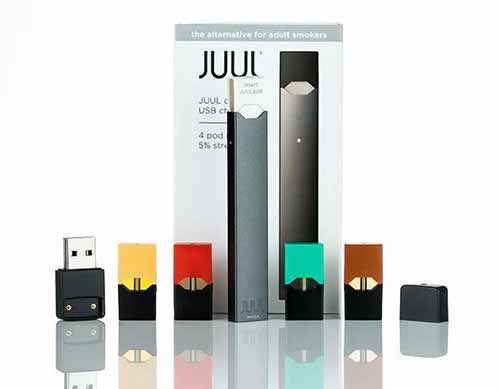 The research data was published in the journal Tobacco Control and is the first independent study on the risks of nicotine exposure among teenagers using pod e-cigarettes (small e-cigarette devices similar to USB flash drives). "Pod e-cigarettes are small, lightweight, easy to use, and discreet," the authors of this new study state. "Teenagers using Juul and similar products (known as 'juuling') should receive appropriate attention from parents, teachers, and the general public."
The research team surveyed patients aged 12 to 21 who visited three Stony Brook Children's Hospital outpatient clinics from April 2017 to April 2018. Over 500 participants completed an anonymous survey with 60 questions regarding their e-cigarette use, with more than half providing urine samples.
"We analyzed three aspects of the samples," said Dr. Maciej Goniewicz, the first author of the paper and an associate professor of oncology at Roswell Park. "We measured the nicotine content of various products reported by participants, the nicotine levels in the vapor they might inhale, and the concentration of nicotine metabolites in the urine of 22 teenagers who reported using Juul or similar products in the past week, allowing us to see how nicotine actually enters the body."

The team found that the nicotine concentration in Juul and similar products ranged from 21.8 mg/mL to 56.2 mg/mL, far exceeding that of other e-cigarettes. The nicotine yield in the aerosol produced by these products is close to that found in traditional combustible cigarette smoke. The concentration of the nicotine metabolite cotinine was even higher than reported, possibly due to the analyzed products containing a form of nicotine that is absorbed more effectively than other forms. Biomarker analysis confirmed that these study participants had not been exposed to traditional cigarettes.
"The amount of nicotine inhaled and absorbed from using pod e-cigarettes is astonishingly high," said Dr. Rachel Boykan, one of the co-authors of the research report and a pediatrician and faculty member at Stony Brook Children's Hospital and Stony Brook University. "Although this is a small study, further research is needed, but it is crucial for e-cigarette users, parents, clinicians, public health advocates, and regulators to understand how Juul and similar products work and their harms to the body, as our findings indicate that the risk of nicotine addiction from long-term use of such products is very high."
This study, titled "Teenagers Using Juul and Pod E-Cigarettes at High Risk of Nicotine Exposure," can be found at tobaccocontrol.bmj.com. The research was funded by the Department of Pediatrics at Stony Brook University School of Medicine and the core grant from the National Cancer Institute to Roswell Park.
A new study on teenage e-cigarette use states that young users of the new generation of "pod" e-cigarettes absorb nicotine levels close to those of traditional cigarettes. This study, conducted by scientists at Roswell Park Comprehensive Cancer Center in collaboration with pediatricians at Stony Brook Children's Hospital, also points out that Juul and similar products contain high concentrations of modified nicotine salts, which are more easily absorbed by the human body.
The research data was published in the journal Tobacco Control and is the first independent study on the risks of nicotine exposure among teenagers using pod e-cigarettes (small e-cigarette devices similar to USB flash drives). "Pod e-cigarettes are small, lightweight, easy to use, and discreet," the authors of this new study state. "Teenagers using Juul and similar products (known as 'juuling') should receive appropriate attention from parents, teachers, and the general public."The research team surveyed patients aged 12 to 21 who visited three Stony Brook Children's Hospital outpatient clinics from April 2017 to April 2018. Over 500 participants completed an anonymous survey with 60 questions regarding their e-cigarette use, with more than half providing urine samples.
"We analyzed three aspects of the samples," said Dr. Maciej Goniewicz, the first author of the paper and an associate professor of oncology at Roswell Park. "We measured the nicotine content of various products reported by participants, the nicotine levels in the vapor they might inhale, and the concentration of nicotine metabolites in the urine of 22 teenagers who reported using Juul or similar products in the past week, allowing us to see how nicotine actually enters the body."
The team found that the nicotine concentration in Juul and similar products ranged from 21.8 mg/mL to 56.2 mg/mL, far exceeding that of other e-cigarettes. The nicotine yield in the aerosol produced by these products is close to that found in traditional combustible cigarette smoke. The concentration of the nicotine metabolite cotinine was even higher than reported, possibly due to the analyzed products containing a form of nicotine that is absorbed more effectively than other forms. Biomarker analysis confirmed that these study participants had not been exposed to traditional cigarettes.
"The amount of nicotine inhaled and absorbed from using pod e-cigarettes is astonishingly high," said Dr. Rachel Boykan, one of the co-authors of the research report and a pediatrician and faculty member at Stony Brook Children's Hospital and Stony Brook University. "Although this is a small study, further research is needed, but it is crucial for e-cigarette users, parents, clinicians, public health advocates, and regulators to understand how Juul and similar products work and their harms to the body, as our findings indicate that the risk of nicotine addiction from long-term use of such products is very high."
This study, titled "Teenagers Using Juul and Pod E-Cigarettes at High Risk of Nicotine Exposure," can be found at tobaccocontrol.bmj.com. The research was funded by the Department of Pediatrics at Stony Brook University School of Medicine and the core grant from the National Cancer Institute to Roswell Park.
Related Articles

Vaping News
Ahead of a Nationwide Ban, Hundreds of Russian Retailers Voluntarily Stop Selling Vapes
2026-04-16

Vaping News
Illegal Vape Brands Try to Evade FDA Scrutiny by Posing as “Made in the USA”
2026-04-08

Vaping News
Jordan’s New Tobacco Control Rules: Waterpipe Tobacco Market Set for Major Changes
2026-03-17