
Are Disposable E-Cigarettes Harmful?
As compact vaping devices surged in popularity in 2019, another category—disposable e-cigarettes—also entered the market. Many users have questions: are disposable e-cigarettes harmful? Today, Heated Tobacco News explains this in detail. 1. What is a disp
In 2019, with the rise of pod systems, another type of disposable e-cigarette entered the market, leading many to wonder: Are disposable e-cigarettes harmful? Today, the heated tobacco news website will provide a detailed answer to this question.
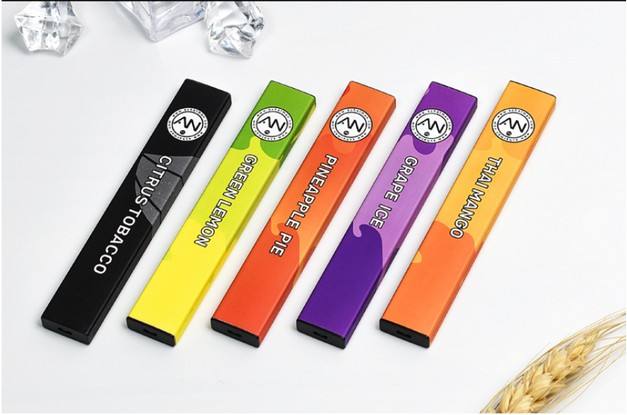
1. What is a disposable e-cigarette?
A disposable e-cigarette is one that does not require charging or changing pods; it is used once and then discarded, making it more convenient to carry and use.
2. Materials used in disposable e-cigarettes
Most disposable e-cigarettes are made from PCTG. PCTG is a non-crystalline copolyester known for its good toughness and impact strength, excellent low-temperature toughness, high tear resistance, and good processing performance, as well as its excellent chemical resistance, transparency, and absence of bisphenol A.
PCTG is completely odorless, transparent, and free of bisphenol A;
It has good processing performance, allowing for multiple outputs through injection molding, greatly improving production efficiency; it is resistant to acid and oil corrosion, and components in contact with e-liquids or chemical oils do not undergo significant changes in properties or functionality, preserving the pure flavor of the e-liquid; it does not cause plastic components to crack or leak.
In addition to these advantages, care must be taken to avoid issues like shock marks during PCTG processing, requiring the selection of low-speed, stable injection molding machines and specific screw types, and PCTG must be dried using a dehumidifying dryer before processing to ensure product performance during manufacturing.
3. Are disposable e-cigarettes harmful?
Whether e-cigarettes pose a risk to human health depends on the e-liquid. The composition of the e-liquid and whether it meets standards are crucial. Let's take a look at the components of e-liquids:
1. VG (Vegetable Glycerin)
2. PG (Propylene Glycol)
3. Flavoring
4. Nicotine
VG is a common additive in pharmaceuticals and food (widely used in making cakes, chocolates, and other sweets) and has no side effects on the human body; it is colorless and odorless.
PG is used to dilute VG's viscosity and is also a common additive in pharmaceuticals and food, generally considered safe for the human body.
Flavoring is what gives e-liquids their diverse flavors, providing various satisfactions for vapers. Many foods we consume daily contain flavoring.
It is clear that these three components are not harmful; they are commonly found in food or daily products, and even children's toothpaste contains these three ingredients, with labels stating that swallowing them is safe.
Next, let's examine the last component—nicotine. Is it safe? Nicotine is widely regarded as a dangerous toxic substance, and some attribute all the harms of smoking to nicotine. However, nicotine has been unfairly blamed for the dangers of tar. With ongoing scientific advancements and clinical research, it has been proven that tar is the real carcinogen. When a cigarette is lit, the tobacco and other components burn, producing tar, which contains 16 carcinogenic substances and 4000-5000 chemical compounds.
Nicotine itself, when consumed in reasonable doses, is generally a benign substance, similar in effect to caffeine. Nicotine is not only found in tobacco leaves but also in various nightshade plants, such as tomatoes, peppers, and goji berries, which are recognized as healthy foods beneficial to the human body.
The small amount of nicotine in e-liquids is merely to alleviate cravings, helping smokers transition away from traditional cigarettes. Since the 1990s, the World Health Organization has been promoting "nicotine replacement therapy" globally, which is one of the most widely used and clinically proven effective methods for smoking cessation, replacing nicotine obtained from cigarettes to help people overcome their dependence on smoking both physiologically and psychologically.
Therefore, it can be concluded that disposable e-cigarettes do not pose significant harm to the human body, but it is essential to purchase them through legitimate channels to avoid counterfeit products.
1. What is a disposable e-cigarette?
A disposable e-cigarette is one that does not require charging or changing pods; it is used once and then discarded, making it more convenient to carry and use.
2. Materials used in disposable e-cigarettes
Most disposable e-cigarettes are made from PCTG. PCTG is a non-crystalline copolyester known for its good toughness and impact strength, excellent low-temperature toughness, high tear resistance, and good processing performance, as well as its excellent chemical resistance, transparency, and absence of bisphenol A.
PCTG is completely odorless, transparent, and free of bisphenol A;
It has good processing performance, allowing for multiple outputs through injection molding, greatly improving production efficiency; it is resistant to acid and oil corrosion, and components in contact with e-liquids or chemical oils do not undergo significant changes in properties or functionality, preserving the pure flavor of the e-liquid; it does not cause plastic components to crack or leak.
In addition to these advantages, care must be taken to avoid issues like shock marks during PCTG processing, requiring the selection of low-speed, stable injection molding machines and specific screw types, and PCTG must be dried using a dehumidifying dryer before processing to ensure product performance during manufacturing.
3. Are disposable e-cigarettes harmful?
Whether e-cigarettes pose a risk to human health depends on the e-liquid. The composition of the e-liquid and whether it meets standards are crucial. Let's take a look at the components of e-liquids:
1. VG (Vegetable Glycerin)
2. PG (Propylene Glycol)
3. Flavoring
4. Nicotine
VG is a common additive in pharmaceuticals and food (widely used in making cakes, chocolates, and other sweets) and has no side effects on the human body; it is colorless and odorless.
PG is used to dilute VG's viscosity and is also a common additive in pharmaceuticals and food, generally considered safe for the human body.
Flavoring is what gives e-liquids their diverse flavors, providing various satisfactions for vapers. Many foods we consume daily contain flavoring.
It is clear that these three components are not harmful; they are commonly found in food or daily products, and even children's toothpaste contains these three ingredients, with labels stating that swallowing them is safe.
Next, let's examine the last component—nicotine. Is it safe? Nicotine is widely regarded as a dangerous toxic substance, and some attribute all the harms of smoking to nicotine. However, nicotine has been unfairly blamed for the dangers of tar. With ongoing scientific advancements and clinical research, it has been proven that tar is the real carcinogen. When a cigarette is lit, the tobacco and other components burn, producing tar, which contains 16 carcinogenic substances and 4000-5000 chemical compounds.
Nicotine itself, when consumed in reasonable doses, is generally a benign substance, similar in effect to caffeine. Nicotine is not only found in tobacco leaves but also in various nightshade plants, such as tomatoes, peppers, and goji berries, which are recognized as healthy foods beneficial to the human body.
The small amount of nicotine in e-liquids is merely to alleviate cravings, helping smokers transition away from traditional cigarettes. Since the 1990s, the World Health Organization has been promoting "nicotine replacement therapy" globally, which is one of the most widely used and clinically proven effective methods for smoking cessation, replacing nicotine obtained from cigarettes to help people overcome their dependence on smoking both physiologically and psychologically.
Therefore, it can be concluded that disposable e-cigarettes do not pose significant harm to the human body, but it is essential to purchase them through legitimate channels to avoid counterfeit products.
Related Articles

Vaping News
Ahead of a Nationwide Ban, Hundreds of Russian Retailers Voluntarily Stop Selling Vapes
2026-04-16

Vaping News
Illegal Vape Brands Try to Evade FDA Scrutiny by Posing as “Made in the USA”
2026-04-08

Vaping News
Jordan’s New Tobacco Control Rules: Waterpipe Tobacco Market Set for Major Changes
2026-03-17