
Decoding E-liquid Manufacturers in the E-cigarette Supply Chain
In 2015, JUUL established itself in the e-cigarette market with its breakthrough nicotine salt e-liquid. After several years of development, it became the leading e-cigarette brand in the United States. Today, with a 72% market share, its dominant positio
In 2015, JUUL established a foothold in the e-cigarette market with its breakthrough in salt nicotine e-liquids. After several years of development, it has become the leading brand in the U.S. e-cigarette industry. Today, with a 72% market share, its dominant position is hard to shake.
E-liquids are consumables in the e-cigarette industry. Unlike consumables like atomizers, e-liquids form a relatively independent and complete industrial chain due to technical barriers such as formulation and purification. The upstream consists mainly of suppliers of chemical raw materials like flavorings and propylene glycol, as well as manufacturing enterprises, among which four representative e-liquid manufacturers are Platinum International, Hengxin Technology, Johnson Creek, and Borton Group.
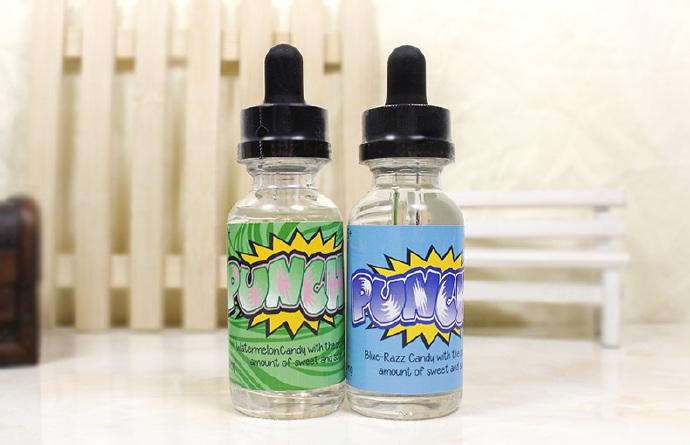
Platinum International, as a comprehensive group integrating e-cigarette design, production, and sales, has a leading advantage in e-cigarette and e-liquid technology. Its e-liquids are extracted from pure natural plants and carefully formulated by research teams in both China and the U.S. to restore the original flavors of natural plants. In the U.S., Platinum International has over 7,000 sales outlets and holds significant influence in the e-cigarette market.
Borton Group, a diversified international group company, primarily engages in the business of flavorings for tobacco, food, and daily use, while also venturing into pharmaceuticals, bioengineering, and electronic consumer products. Its subsidiary, Shenzhen Borton Flavor Co., Ltd., successfully listed on the Hong Kong Stock Exchange in 2005, becoming the first listed company in the flavoring industry in China.
Hengxin Technology is the world's largest producer and exporter of e-liquids, being one of the first high-tech groups to integrate R&D, production, sales, and service of e-cigarette products.
Johnson Creek is the first e-liquid manufacturer in the U.S. and the second largest e-liquid company in the world, owning well-known brands such as Halo, evo, Trion, and G6, and holds considerable influence in the international e-cigarette market.
For the e-cigarette industry, the quality of e-liquids controls the rise and fall of the market. In the era of traditional cigarettes, Hanli's Ruoyan faded from history due to the rough taste of its e-liquids; in the era of big vapor, a good e-liquid will accompany users throughout their entire e-cigarette journey; and in the era of small devices, breakthroughs in e-liquids have sparked a wave of device replacements.
Demand drives the market, and this is especially true for the e-cigarette industry. The flavor of e-liquids significantly influences users' purchasing decisions regarding the entire product.
E-liquids are consumables in the e-cigarette industry. Unlike consumables like atomizers, e-liquids form a relatively independent and complete industrial chain due to technical barriers such as formulation and purification. The upstream consists mainly of suppliers of chemical raw materials like flavorings and propylene glycol, as well as manufacturing enterprises, among which four representative e-liquid manufacturers are Platinum International, Hengxin Technology, Johnson Creek, and Borton Group.
Platinum International, as a comprehensive group integrating e-cigarette design, production, and sales, has a leading advantage in e-cigarette and e-liquid technology. Its e-liquids are extracted from pure natural plants and carefully formulated by research teams in both China and the U.S. to restore the original flavors of natural plants. In the U.S., Platinum International has over 7,000 sales outlets and holds significant influence in the e-cigarette market.
Borton Group, a diversified international group company, primarily engages in the business of flavorings for tobacco, food, and daily use, while also venturing into pharmaceuticals, bioengineering, and electronic consumer products. Its subsidiary, Shenzhen Borton Flavor Co., Ltd., successfully listed on the Hong Kong Stock Exchange in 2005, becoming the first listed company in the flavoring industry in China.
Hengxin Technology is the world's largest producer and exporter of e-liquids, being one of the first high-tech groups to integrate R&D, production, sales, and service of e-cigarette products.
Johnson Creek is the first e-liquid manufacturer in the U.S. and the second largest e-liquid company in the world, owning well-known brands such as Halo, evo, Trion, and G6, and holds considerable influence in the international e-cigarette market.
For the e-cigarette industry, the quality of e-liquids controls the rise and fall of the market. In the era of traditional cigarettes, Hanli's Ruoyan faded from history due to the rough taste of its e-liquids; in the era of big vapor, a good e-liquid will accompany users throughout their entire e-cigarette journey; and in the era of small devices, breakthroughs in e-liquids have sparked a wave of device replacements.
Demand drives the market, and this is especially true for the e-cigarette industry. The flavor of e-liquids significantly influences users' purchasing decisions regarding the entire product.
Related Articles

Vaping News
Ahead of a Nationwide Ban, Hundreds of Russian Retailers Voluntarily Stop Selling Vapes
2026-04-16

Vaping News
Illegal Vape Brands Try to Evade FDA Scrutiny by Posing as “Made in the USA”
2026-04-08

Vaping News
Jordan’s New Tobacco Control Rules: Waterpipe Tobacco Market Set for Major Changes
2026-03-17