
215 Suspected E-Cigarette-Related Cases in the U.S.: Is the Culprit E-Cigarettes or Cannabis?
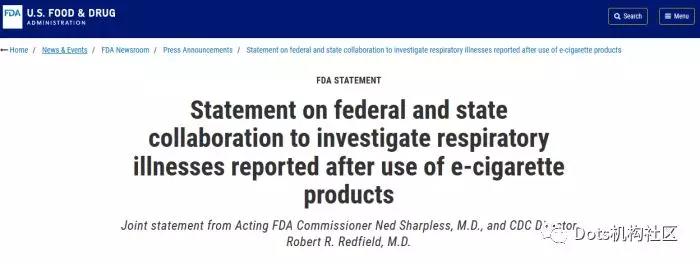
The U.S. Food and Drug Administration (FDA) and the Centers for Disease Control and Prevention (CDC) jointly issued a notice stating that as of August 27 this year, 215 cases potentially related to vaping devices had been identified in 25 U.S. states. The
The U.S. Food and Drug Administration (FDA) and the Centers for Disease Control and Prevention (CDC) jointly announced that as of August 27 this year, 215 cases potentially related to e-cigarette vaporizers have been identified across 25 states in the U.S. The number of potential cases reported the previous week was 193.
A patient in Illinois died last week from severe lung disease, which regulators believe is the first death related to e-cigarettes in the U.S.
These illnesses have been described as gradually presenting symptoms such as chest pain, difficulty breathing, and shortness of breath. Additionally, some of these patients have experienced gastrointestinal issues such as diarrhea and vomiting.
Many cases appear to have a common factor: the use of e-cigarette products containing nicotine and tetrahydrocannabinol (THC). Over 50% of the 27 patients in Illinois used vaporizers to inhale THC.
“Although the cases appear similar, it is currently unclear whether they share a common cause or if they are different diseases with similar presentations, which is why the investigation we are conducting is so crucial,” said CDC Director Robert Redfield and acting FDA Commissioner Ned Sharpless in a joint statement. The statement indicated that they need more information to understand whether there is a link between specific products or substances and the reported cases.
The FDA found “no evidence of causation, but at least an association with Juul,” FDA Tobacco Products Center Director Mitch Zeller wrote in a letter to former FDA Commissioner Scott Gottlieb. According to Bloomberg, in an interview, Zeller stated that the FDA has not confirmed that Juul's use is related to two of the initial three reported cases of seizures.
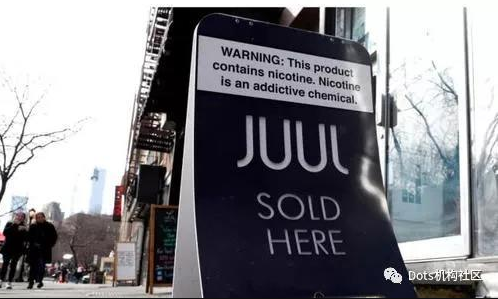
Juul, founded in 2015, currently controls about three-quarters of the e-cigarette retail market in the U.S. The company has recently raised $785.2 million through stock and bond offerings, seeking to expand its business globally. Juul's rapid success has largely relied on selling e-cigarettes to American teenagers, but it has also faced criticism from parents, lawmakers, and public health advocates. In addition to ongoing investigations in Illinois and the surrounding area (which had not been publicly disclosed before), four other state attorneys general are also investigating or suing Juul. The company is also under investigation by congressional members and federal health regulators.
Regarding this incident, “We know their preliminary report found 32 cases related to e-cigarette products over the past decade, with submitters mentioning JUUL products,” a Juul spokesperson said in an email statement to The Verge. “Although the FDA has not contacted us regarding this issue, we will closely monitor any evidence of potential safety issues and cooperate as we continue to combat youth usage and eliminate tobacco, which is the leading preventable cause of death in the world.”
Former FDA Commissioner Scott Gottlieb, who has been critical of Juul, believes that counterfeit e-cigarette products are one of the causes.

Cannabis industry insiders have reported that during visits to clients in the U.S., they found Americans selling counterfeit vaporizers. One insider mentioned having a silk screen machine, buying vaporizers from Dunhuang.com, and being able to print any brand on them. They also stated that Canada has never heard of smoking causing deaths, suggesting that it is likely due to added substances. Many low-quality THC products (as shown in the image above) are prevalent in the U.S.
Currently, the CDC warns e-cigarette users not to purchase secondhand or unbranded products from the street, not to modify e-cigarette devices on their own, and not to add other substances to e-liquids.
A patient in Illinois died last week from severe lung disease, which regulators believe is the first death related to e-cigarettes in the U.S.
These illnesses have been described as gradually presenting symptoms such as chest pain, difficulty breathing, and shortness of breath. Additionally, some of these patients have experienced gastrointestinal issues such as diarrhea and vomiting.
Many cases appear to have a common factor: the use of e-cigarette products containing nicotine and tetrahydrocannabinol (THC). Over 50% of the 27 patients in Illinois used vaporizers to inhale THC.
“Although the cases appear similar, it is currently unclear whether they share a common cause or if they are different diseases with similar presentations, which is why the investigation we are conducting is so crucial,” said CDC Director Robert Redfield and acting FDA Commissioner Ned Sharpless in a joint statement. The statement indicated that they need more information to understand whether there is a link between specific products or substances and the reported cases.
The FDA found “no evidence of causation, but at least an association with Juul,” FDA Tobacco Products Center Director Mitch Zeller wrote in a letter to former FDA Commissioner Scott Gottlieb. According to Bloomberg, in an interview, Zeller stated that the FDA has not confirmed that Juul's use is related to two of the initial three reported cases of seizures.
Juul, founded in 2015, currently controls about three-quarters of the e-cigarette retail market in the U.S. The company has recently raised $785.2 million through stock and bond offerings, seeking to expand its business globally. Juul's rapid success has largely relied on selling e-cigarettes to American teenagers, but it has also faced criticism from parents, lawmakers, and public health advocates. In addition to ongoing investigations in Illinois and the surrounding area (which had not been publicly disclosed before), four other state attorneys general are also investigating or suing Juul. The company is also under investigation by congressional members and federal health regulators.
Regarding this incident, “We know their preliminary report found 32 cases related to e-cigarette products over the past decade, with submitters mentioning JUUL products,” a Juul spokesperson said in an email statement to The Verge. “Although the FDA has not contacted us regarding this issue, we will closely monitor any evidence of potential safety issues and cooperate as we continue to combat youth usage and eliminate tobacco, which is the leading preventable cause of death in the world.”
Former FDA Commissioner Scott Gottlieb, who has been critical of Juul, believes that counterfeit e-cigarette products are one of the causes.
Cannabis industry insiders have reported that during visits to clients in the U.S., they found Americans selling counterfeit vaporizers. One insider mentioned having a silk screen machine, buying vaporizers from Dunhuang.com, and being able to print any brand on them. They also stated that Canada has never heard of smoking causing deaths, suggesting that it is likely due to added substances. Many low-quality THC products (as shown in the image above) are prevalent in the U.S.
Currently, the CDC warns e-cigarette users not to purchase secondhand or unbranded products from the street, not to modify e-cigarette devices on their own, and not to add other substances to e-liquids.
Related Articles

Vaping News
Ahead of a Nationwide Ban, Hundreds of Russian Retailers Voluntarily Stop Selling Vapes
2026-04-16

Vaping News
Illegal Vape Brands Try to Evade FDA Scrutiny by Posing as “Made in the USA”
2026-04-08

Vaping News
Jordan’s New Tobacco Control Rules: Waterpipe Tobacco Market Set for Major Changes
2026-03-17