
DIY Atomizer Build Method
I believe many vaping beginners will ask about DIY coil building, so let’s take a look at how to DIY a coil. DIY atomizer build method. Here’s a brief introduction: 1. The wire doesn’t hold its shape. For those using coil jigs, if you use the tool correct
Many beginners in vaping often ask about DIY atomizer coils, so let's take a look at how to DIY an atomizer coil.
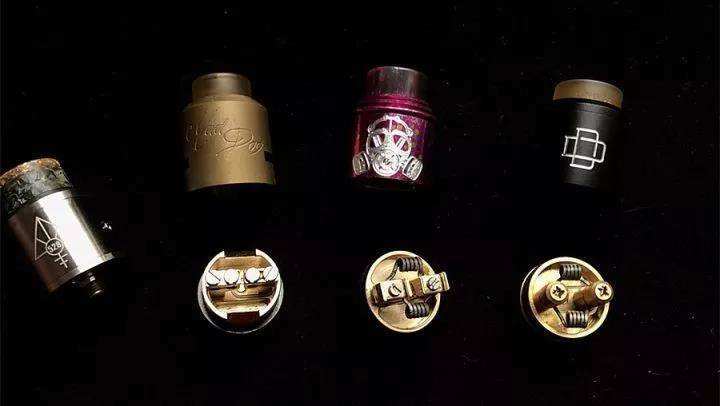
Here’s a simple guide on how to make a DIY atomizer:
1. Coils not forming properly.
For those using winding tools, as long as you use them correctly, this issue should not arise. If you are using a screwdriver or a winding rod, just remember two points: first, apply enough force; don’t hesitate to put in the effort. Second, take it slow, winding steadily and correcting any misalignment immediately.
2. Resistance wire not fitting into the atomizer.
When securing the wound coil to the atomizer base, do not remove it from the screwdriver or winding rod to avoid deforming the coil during installation. While experienced users can manage to secure it separately, beginners should avoid trying this too soon.
3. The amount of cotton used depends on the diameter of the resistance wire.
The cotton should be snug enough to allow some movement but still have a bit of resistance. Remember, more cotton is not always better; too much cotton can compress the cotton around the coil, leading to poor oil flow. This is a common mistake among beginners.
4. After inserting the cotton, drip a few drops of glycerin or the e-liquid you plan to use, and power it on briefly to eliminate the cotton taste while preventing dry burning of the cotton when you start using it.
5. There is no fixed time for changing the cotton and resistance wire; generally, if you start to notice a burnt taste, it’s time to change the cotton. After all, changing just the cotton is quite simple, isn’t it? When changing the cotton, you can dry burn the resistance wire to burn off any carbon buildup. Keep the wattage low to avoid breaking the resistance wire. A single coil can be reused multiple times with new cotton.
DIY Atomizer Build Method
Pre-made atomizers are easy to use, making them the top choice for beginners in vaping. Except for those pursuing extreme cloud production, over 80% of users start with pre-made coil atomizers. However, pre-made atomizers have several unbearable drawbacks:
1. Poor flavor experience.
Pre-made atomizers are designed with many limitations in manufacturing processes and structures for ease of use and cost control of the coils. Manufacturers often have to sacrifice some flavor quality in their designs. Additionally, the standardized resistance values of pre-made coils prevent users from adjusting the resistance to their liking, making it difficult for many e-liquids to showcase their true potential.
2. High usage costs.
The lifespan of commonly found pre-made coils is usually only two to three weeks. When using certain high VG content handmade e-liquids, you might need to change the coil after just two or three tanks. Moreover, the price of genuine pre-made coils is generally not low. Over time, replacing coils can become quite an expense.
3. Oil leaks.
Leaks! Leaks! Leaks! This is a persistent issue with most pre-made atomizers. Even with careful handling, if left unused for a long time, the cotton inside the coil can absorb too much oil, causing the e-liquid to leak due to gravity. Often, once it starts leaking, it won’t stop until the entire tank is empty.
So, it’s not that mysterious to DIY an atomizer, is it? We welcome all players to come to the store to share experiences, whether you are a pro or a newbie!
Here’s a simple guide on how to make a DIY atomizer:
1. Coils not forming properly.
For those using winding tools, as long as you use them correctly, this issue should not arise. If you are using a screwdriver or a winding rod, just remember two points: first, apply enough force; don’t hesitate to put in the effort. Second, take it slow, winding steadily and correcting any misalignment immediately.
2. Resistance wire not fitting into the atomizer.
When securing the wound coil to the atomizer base, do not remove it from the screwdriver or winding rod to avoid deforming the coil during installation. While experienced users can manage to secure it separately, beginners should avoid trying this too soon.
3. The amount of cotton used depends on the diameter of the resistance wire.
The cotton should be snug enough to allow some movement but still have a bit of resistance. Remember, more cotton is not always better; too much cotton can compress the cotton around the coil, leading to poor oil flow. This is a common mistake among beginners.
4. After inserting the cotton, drip a few drops of glycerin or the e-liquid you plan to use, and power it on briefly to eliminate the cotton taste while preventing dry burning of the cotton when you start using it.
5. There is no fixed time for changing the cotton and resistance wire; generally, if you start to notice a burnt taste, it’s time to change the cotton. After all, changing just the cotton is quite simple, isn’t it? When changing the cotton, you can dry burn the resistance wire to burn off any carbon buildup. Keep the wattage low to avoid breaking the resistance wire. A single coil can be reused multiple times with new cotton.
DIY Atomizer Build Method
Pre-made atomizers are easy to use, making them the top choice for beginners in vaping. Except for those pursuing extreme cloud production, over 80% of users start with pre-made coil atomizers. However, pre-made atomizers have several unbearable drawbacks:
1. Poor flavor experience.
Pre-made atomizers are designed with many limitations in manufacturing processes and structures for ease of use and cost control of the coils. Manufacturers often have to sacrifice some flavor quality in their designs. Additionally, the standardized resistance values of pre-made coils prevent users from adjusting the resistance to their liking, making it difficult for many e-liquids to showcase their true potential.
2. High usage costs.
The lifespan of commonly found pre-made coils is usually only two to three weeks. When using certain high VG content handmade e-liquids, you might need to change the coil after just two or three tanks. Moreover, the price of genuine pre-made coils is generally not low. Over time, replacing coils can become quite an expense.
3. Oil leaks.
Leaks! Leaks! Leaks! This is a persistent issue with most pre-made atomizers. Even with careful handling, if left unused for a long time, the cotton inside the coil can absorb too much oil, causing the e-liquid to leak due to gravity. Often, once it starts leaking, it won’t stop until the entire tank is empty.
So, it’s not that mysterious to DIY an atomizer, is it? We welcome all players to come to the store to share experiences, whether you are a pro or a newbie!
Related Articles

Vaping News
Ahead of a Nationwide Ban, Hundreds of Russian Retailers Voluntarily Stop Selling Vapes
2026-04-16

Vaping News
Illegal Vape Brands Try to Evade FDA Scrutiny by Posing as “Made in the USA”
2026-04-08

Vaping News
Jordan’s New Tobacco Control Rules: Waterpipe Tobacco Market Set for Major Changes
2026-03-17