
JUUL Targeted Native Americans in the U.S.: The Results Were Not Ideal
In early February 2019, representatives from vaping giant JUUL Labs attended a committee meeting of the Cheyenne River Sioux Tribe in South Dakota, bringing their vaping products with them. JUUL distributed many free starter kits to tribal residents, taug
In early February 2019, representatives from vaping giant JUUL Labs attended a council meeting of the Cheyenne River Sioux Tribe in South Dakota, bringing their vaping products with them. They distributed many starter kits for free to the tribe's residents, providing guidance on usage and claiming it would "not cost the tribe a penny."
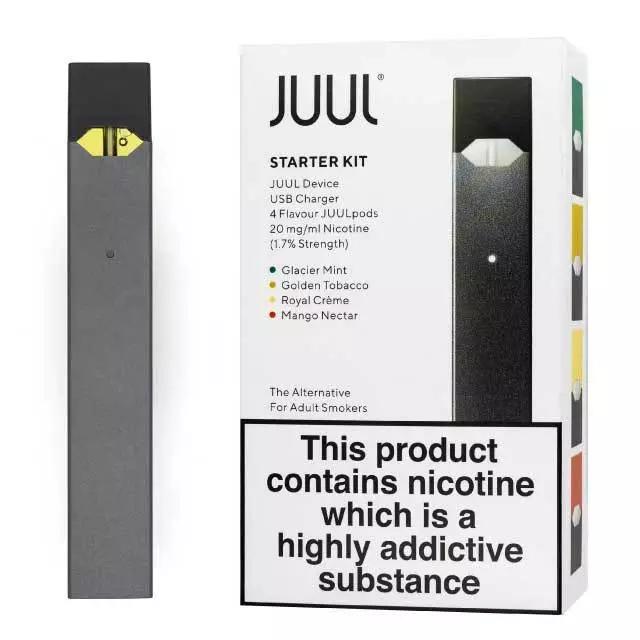
JUUL lobbied local tribal members to abandon traditional cigarettes and switch to vaping as part of a so-called "conversion program." However, the local council quickly rejected the proposal.
This rejection may not be surprising. According to data from the Centers for Disease Control and Prevention (CDC), Native Americans and Alaska Natives have the highest smoking rates among all ethnic groups in the U.S. Moreover, the proportion of cigarettes used among these products is the highest.
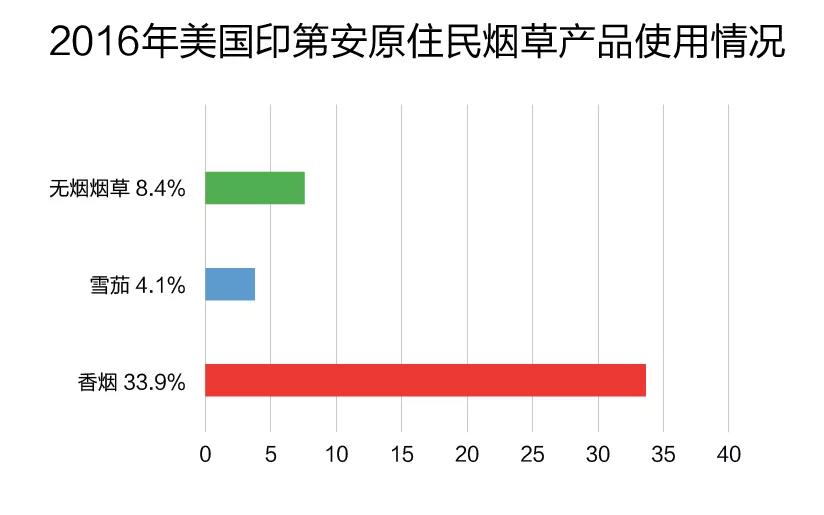
JUUL's recent explosion in popularity has raised concerns among health organizations that the years of smoking cessation efforts in the tribes may soon be undermined. Public health analyst Rae O’Leary stated that she is now working to help the council pass a resolution to prevent Native American tribes from accepting any funding or sponsorship from vaping companies. Experts and advocates say this is part of the effort to address the spread of vaping among non-minority populations.
Natalie Hemmerich, a lawyer helping tribes with legal matters in Minnesota, said, "When the tobacco industry targets Native American tribes, it always raises alarms. Because tobacco companies have a history of severe predatory behavior."
Later, O’Leary submitted her case to Washington and testified at a two-day hearing held by the House Committee on Oversight and Reform, aimed at defining the potential risks of JUUL—a brand viewed by the FDA as a "youth epidemic." One of JUUL's co-founders, James Monsees, was also set to testify.
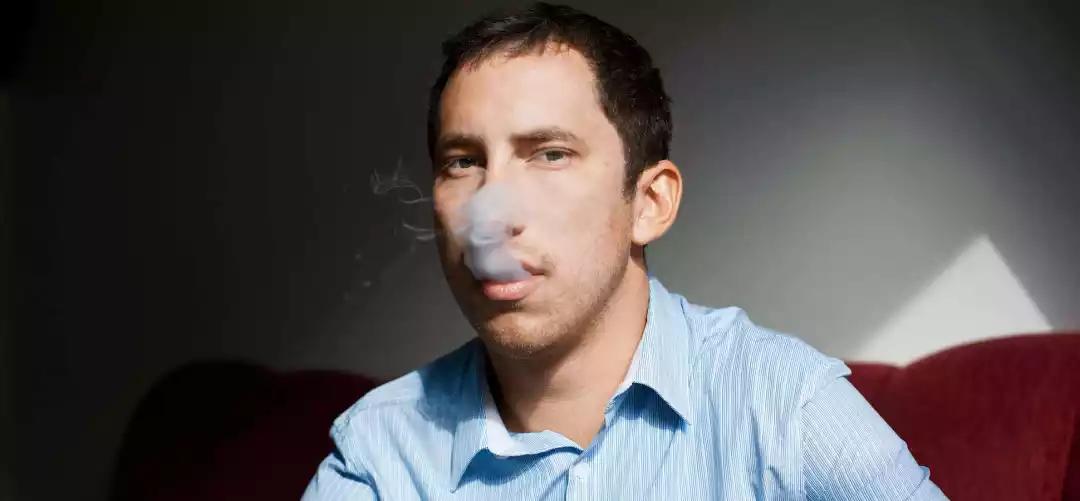
It is worth noting that JUUL's marketing strategy towards Native American communities seems similar to its approach with other groups. JUUL has consistently promoted its devices as a way to steer people away from the harms of traditional tobacco, with some explicitly labeling them as "harm reduction products." However, the hearing will help strengthen scrutiny of the brand, as students recently indicated that JUUL had entered their campuses, promoting the product as "completely safe."
David, an addiction researcher in the Native American community, stated: "This reminds me of how the opioid epidemic started—American companies developed products to profit from. Just like large pharmaceutical companies, tobacco companies promote their products to the public.
Because these giants know that once people start using the product, most will become addicted. Large pharmaceutical companies have targeted vulnerable populations in West Virginia, just as JUUL's business strategy targets Native American communities.

In reality, for JUUL, the initial costs of promoting the product are just a small investment, but the consumers attracted will bring long-term returns.
The past few months have been quite challenging for JUUL, at least from a public relations perspective. Last month, JUUL's CEO Kevin Burns apologized to the parents of all underage consumers in a CNBC documentary. In December, Forbes reported that one of the world's largest tobacco manufacturers, Altria, purchased a 35% stake in the company, and with their help, JUUL spent $1 million on lobbying in its first quarter. Meanwhile, a federal judge ordered the FDA to review JUUL's PMTA application—allowing sales only temporarily until approved.
Nevertheless, amid historical colonial issues and the unjust treatment of Native Americans by the U.S. government and business, JUUL's deliberate approach towards Native Americans seems to have touched a sensitive nerve. #p#分页标题#e#
A JUUL Labs spokesperson, Ted Kwong, acknowledged in a statement that some employees had consulted with Native American leaders regarding the "conversion program," but he stated that JUUL had ceased contact with the relevant tribes in March of this year.
"Given the high smoking rates among Native Americans in the U.S., the purpose of this program was to provide JUUL products to adult smokers aged 21 and over in Native American tribes, encouraging them to transition from combustible cigarettes to vaping. The plan envisioned that each tribe would conduct internal smoking cessation activities with JUUL's support and assistance; however, the plan was never implemented.
Although Rae does not believe that the increasing public scrutiny of vaping overlooks Native Americans, she stated that she believes JUUL will pursue those particularly susceptible to addiction. "I am skeptical of JUUL's actions; they are targeting many at-risk populations, and we happen to be one of them."
JUUL lobbied local tribal members to abandon traditional cigarettes and switch to vaping as part of a so-called "conversion program." However, the local council quickly rejected the proposal.
This rejection may not be surprising. According to data from the Centers for Disease Control and Prevention (CDC), Native Americans and Alaska Natives have the highest smoking rates among all ethnic groups in the U.S. Moreover, the proportion of cigarettes used among these products is the highest.
JUUL's recent explosion in popularity has raised concerns among health organizations that the years of smoking cessation efforts in the tribes may soon be undermined. Public health analyst Rae O’Leary stated that she is now working to help the council pass a resolution to prevent Native American tribes from accepting any funding or sponsorship from vaping companies. Experts and advocates say this is part of the effort to address the spread of vaping among non-minority populations.
Natalie Hemmerich, a lawyer helping tribes with legal matters in Minnesota, said, "When the tobacco industry targets Native American tribes, it always raises alarms. Because tobacco companies have a history of severe predatory behavior."
Later, O’Leary submitted her case to Washington and testified at a two-day hearing held by the House Committee on Oversight and Reform, aimed at defining the potential risks of JUUL—a brand viewed by the FDA as a "youth epidemic." One of JUUL's co-founders, James Monsees, was also set to testify.
It is worth noting that JUUL's marketing strategy towards Native American communities seems similar to its approach with other groups. JUUL has consistently promoted its devices as a way to steer people away from the harms of traditional tobacco, with some explicitly labeling them as "harm reduction products." However, the hearing will help strengthen scrutiny of the brand, as students recently indicated that JUUL had entered their campuses, promoting the product as "completely safe."
David, an addiction researcher in the Native American community, stated: "This reminds me of how the opioid epidemic started—American companies developed products to profit from. Just like large pharmaceutical companies, tobacco companies promote their products to the public.
Because these giants know that once people start using the product, most will become addicted. Large pharmaceutical companies have targeted vulnerable populations in West Virginia, just as JUUL's business strategy targets Native American communities.
In reality, for JUUL, the initial costs of promoting the product are just a small investment, but the consumers attracted will bring long-term returns.
The past few months have been quite challenging for JUUL, at least from a public relations perspective. Last month, JUUL's CEO Kevin Burns apologized to the parents of all underage consumers in a CNBC documentary. In December, Forbes reported that one of the world's largest tobacco manufacturers, Altria, purchased a 35% stake in the company, and with their help, JUUL spent $1 million on lobbying in its first quarter. Meanwhile, a federal judge ordered the FDA to review JUUL's PMTA application—allowing sales only temporarily until approved.
Nevertheless, amid historical colonial issues and the unjust treatment of Native Americans by the U.S. government and business, JUUL's deliberate approach towards Native Americans seems to have touched a sensitive nerve. #p#分页标题#e#
A JUUL Labs spokesperson, Ted Kwong, acknowledged in a statement that some employees had consulted with Native American leaders regarding the "conversion program," but he stated that JUUL had ceased contact with the relevant tribes in March of this year.
"Given the high smoking rates among Native Americans in the U.S., the purpose of this program was to provide JUUL products to adult smokers aged 21 and over in Native American tribes, encouraging them to transition from combustible cigarettes to vaping. The plan envisioned that each tribe would conduct internal smoking cessation activities with JUUL's support and assistance; however, the plan was never implemented.
Although Rae does not believe that the increasing public scrutiny of vaping overlooks Native Americans, she stated that she believes JUUL will pursue those particularly susceptible to addiction. "I am skeptical of JUUL's actions; they are targeting many at-risk populations, and we happen to be one of them."
Related Articles

Vaping News
Ahead of a Nationwide Ban, Hundreds of Russian Retailers Voluntarily Stop Selling Vapes
2026-04-16

Vaping News
Illegal Vape Brands Try to Evade FDA Scrutiny by Posing as “Made in the USA”
2026-04-08

Vaping News
Jordan’s New Tobacco Control Rules: Waterpipe Tobacco Market Set for Major Changes
2026-03-17