
As Foreign Brands Move In Aggressively, How Can Domestic Vaping Brands Break Through?
JUUL’s successful entry indicates that China still maintains an open attitude toward vaping devices. However, it also means that domestic vaping brands, which are still in an early stage, will face even greater competitive pressure. The local market may b
The successful entry of JUUL signifies that China maintains an open attitude towards e-cigarettes. However, this also means that domestic e-cigarette brands, which have yet to truly take off, will face increased competitive pressure! The domestic market may become even more chaotic and crowded due to the entry of foreign brands.
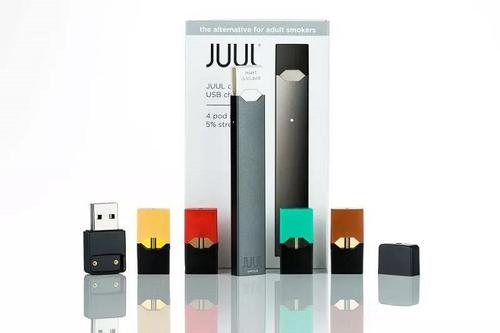
So, how can domestic e-cigarette brands break through in the face of both internal and external challenges? In this regard, the e-cigarette editor believes that domestic brands can respond to the aggressive entry of foreign brands in at least three ways.
1. Leverage the advantages of the home market.
Although e-cigarettes were invented in China and popularized overseas, 90%-95% of e-cigarettes and their components are produced in China. We have local advantages in product design, manufacturing processes, material selection, logistics, and after-sales service. Therefore, domestic e-cigarette brands should utilize the mature production environment and technological advantages in China to firmly control the domestic e-cigarette market.
2. Call for national standards to regulate the market.
Currently, the domestic e-cigarette market is still in a state of 'no product standards, no quality supervision, no safety evaluation'; as long as national standards are not established, the domestic e-cigarette market cannot develop in a standardized and transparent manner. This stigma of 'three nos' will continue to burden the market, giving foreign brands produced under mature regulatory mechanisms the opportunity to sweep the market.
Therefore, domestic e-cigarette companies should collectively call for the rapid establishment of national standards to regulate production standards and market access thresholds for e-cigarettes; and reorganize their resources to continuously upgrade themselves in brand marketing and technological innovation, ensuring they have a good brand image and high-quality products to adapt to changes in the market.
3. Strengthen brand building and marketing channel development.
As the domestic e-cigarette market is still in the developmental stage and national standards are still being drafted, there are currently no benchmark brands in this market. Therefore, if domestic e-cigarette brands can leverage local advantages to strengthen their brand building through product design, manufacturing processes, material selection, logistics, and after-sales service, they can create their brand effect and establish themselves as industry benchmarks to compete with foreign brands.
Additionally, building marketing channels is crucial!
E-cigarettes have been popularized overseas, and foreign brands have very mature marketing strategies. Once they successfully enter the market, they can quickly expand through established marketing tactics. Therefore, in addition to strengthening their brand building, domestic e-cigarette brands must also accelerate the development of marketing channels. Otherwise, if foreign brands overcome the challenges of adapting to the domestic market and establish brand effects in the minds of smokers, domestic brands may find it increasingly difficult to catch up.
In summary, in the face of the aggressive "invasion" of foreign brands, domestic e-cigarette brands should adopt a competitive mindset, remaining neither humble nor arrogant. As for how to break through, it is essential to 'forge oneself to be strong'!
So, how can domestic e-cigarette brands break through in the face of both internal and external challenges? In this regard, the e-cigarette editor believes that domestic brands can respond to the aggressive entry of foreign brands in at least three ways.
1. Leverage the advantages of the home market.
Although e-cigarettes were invented in China and popularized overseas, 90%-95% of e-cigarettes and their components are produced in China. We have local advantages in product design, manufacturing processes, material selection, logistics, and after-sales service. Therefore, domestic e-cigarette brands should utilize the mature production environment and technological advantages in China to firmly control the domestic e-cigarette market.
2. Call for national standards to regulate the market.
Currently, the domestic e-cigarette market is still in a state of 'no product standards, no quality supervision, no safety evaluation'; as long as national standards are not established, the domestic e-cigarette market cannot develop in a standardized and transparent manner. This stigma of 'three nos' will continue to burden the market, giving foreign brands produced under mature regulatory mechanisms the opportunity to sweep the market.
Therefore, domestic e-cigarette companies should collectively call for the rapid establishment of national standards to regulate production standards and market access thresholds for e-cigarettes; and reorganize their resources to continuously upgrade themselves in brand marketing and technological innovation, ensuring they have a good brand image and high-quality products to adapt to changes in the market.
3. Strengthen brand building and marketing channel development.
As the domestic e-cigarette market is still in the developmental stage and national standards are still being drafted, there are currently no benchmark brands in this market. Therefore, if domestic e-cigarette brands can leverage local advantages to strengthen their brand building through product design, manufacturing processes, material selection, logistics, and after-sales service, they can create their brand effect and establish themselves as industry benchmarks to compete with foreign brands.
Additionally, building marketing channels is crucial!
E-cigarettes have been popularized overseas, and foreign brands have very mature marketing strategies. Once they successfully enter the market, they can quickly expand through established marketing tactics. Therefore, in addition to strengthening their brand building, domestic e-cigarette brands must also accelerate the development of marketing channels. Otherwise, if foreign brands overcome the challenges of adapting to the domestic market and establish brand effects in the minds of smokers, domestic brands may find it increasingly difficult to catch up.
In summary, in the face of the aggressive "invasion" of foreign brands, domestic e-cigarette brands should adopt a competitive mindset, remaining neither humble nor arrogant. As for how to break through, it is essential to 'forge oneself to be strong'!
Related Articles

Vaping News
Ahead of a Nationwide Ban, Hundreds of Russian Retailers Voluntarily Stop Selling Vapes
2026-04-16

Vaping News
Illegal Vape Brands Try to Evade FDA Scrutiny by Posing as “Made in the USA”
2026-04-08

Vaping News
Jordan’s New Tobacco Control Rules: Waterpipe Tobacco Market Set for Major Changes
2026-03-17