
Global Overview of Vaping Regulations by Country and Region
Since their introduction, e-cigarettes have remained highly controversial. There is still no definitive conclusion on whether the benefits of using them outweigh the drawbacks or vice versa. As a result, regulatory policies on vaping vary widely across co
Since the introduction of electronic cigarettes, they have been a subject of controversy, with no clear consensus on whether their benefits outweigh their drawbacks. Consequently, the regulatory policies regarding electronic cigarettes vary significantly across countries and regions; some support and legalize their sale, some neither support nor oppose, some impose a complete ban on sales, and others legislate to prohibit sales.
The following is a comprehensive summary of the policies regarding electronic cigarettes in various countries and regions for reference! As electronic cigarette policies are continuously adjusted, manufacturers and sellers should make flexible arrangements based on local conditions.
1. Regions Where Sales Are Prohibited
The following countries and regions generally prohibit the sale of electronic cigarettes (other countries without information are not included in the statistics):
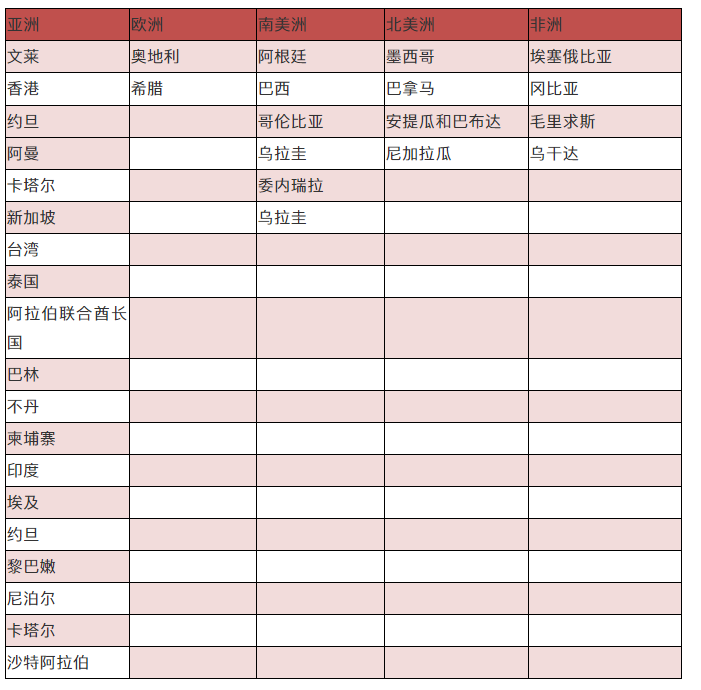
Note: The Hong Kong Special Administrative Region government is currently seeking legislation to completely ban the import, production, and sale of electronic cigarettes. The United Arab Emirates and Bahrain have already opened up.
2. Regions Where Sales Are Allowed
China - Allowed, but subject to regional differences.
Costa Rica - Allowed. Import, sale, and use are permitted and regulated as tobacco products. All transactions must verify age (only for adults over 18). Advertising is not allowed. Use in public places is restricted.
Czech Republic - Allowed. The import, sale, and use of electronic cigarettes are unrestricted.
Estonia - Allowed.
European Union - Allowed. Import, sale, use, and advertising are permitted.
Germany - Allowed. Import, sale, and use are permitted. The highest courts in two states have ruled that electronic cigarettes and refillable e-liquids are not classified as drugs under the "Medicinal Products Act" or "Medical Devices Act." Germany is one of the countries with the most lenient regulations on electronic cigarettes, with no special taxes on vaping products and only minor restrictions on advertising.
Indonesia - Allowed. The Indonesian government announced that starting in the summer of 2018, it would impose taxes of up to 57% on non-tobacco alternatives, including electronic cigarettes.
Israel - Allowed. Import and sale are permitted.
Italy - Allowed. Import, sale, and use are unrestricted. Sales of electronic cigarettes to individuals under 18 are prohibited (only applies to nicotine-containing e-liquids).
Ireland - Allowed. Import, sale, and use are permitted.
South Korea - Allowed. In South Korea, electronic cigarettes are considered tobacco products and are subject to tobacco control legislation. Taxes are high, and reports indicate that the retail price of electronic cigarettes in South Korea is among the highest in the world. HNB products are very popular.
Latvia - Allowed. Electronic cigarettes can be sold to individuals over 18 years old.
Malta - Allowed. Considered tobacco products, sales and use are permitted, but electronic cigarettes fall under the "Tobacco Act". They cannot be advertised, cannot be used in enclosed public places, and can only be used by adults over 18.
Netherlands - Allowed. Import, sale, and use are permitted. The government attempted to impose a complete ban but was legally overturned: The Hague court legalized the import and sale of electronic cigarettes and nicotine-containing e-liquids in a civil court case.
Poland - Allowed. Import, sale, and use are permitted.
Russia - Allowed. Import, sale, and use are permitted.
Tajikistan - Allowed. The sale and use of electronic cigarettes are currently unrestricted.
Ukraine - Allowed, but with restrictions.
United Kingdom - Allowed. Import, sale, advertising, and use are permitted. There are some restrictions on advertising. To our knowledge, the UK is currently the only country in the world with comprehensive and effective regulations on electronic cigarettes. The maximum nicotine content allowed in e-liquids sold in the UK is 20mg/ml, and bottles containing more than 10ml of liquid must have child-proof and tamper-proof features. The capacity of sold atomizers cannot exceed 2ml.
United States - Allowed. Import, sale, advertising, and use are permitted. The FDA has strengthened regulations on electronic cigarette sales this year to control the issue of youth vaping and has required electronic cigarette manufacturers to remove flavored e-cigarettes from physical stores.
Armenia - Allowed. The sale of electronic cigarettes and e-liquids containing or not containing nicotine is unregulated. In 2018, Philip Morris International (PMI) began selling its revolutionary smoke-free product IQOS in Armenia.
Bosnia and Herzegovina - Allowed. Nicotine-containing pods are not classified as tobacco products, so their sale is unregulated.
Bulgaria - Allowed. The sale and use of electronic cigarettes and nicotine-containing pods are legal.
Romania - Allowed. The sale and use of electronic cigarettes are legal.
Sweden - Allowed. The sale of electronic cigarettes is legal for anyone, but selling nicotine liquids to individuals under 18 is illegal.
Switzerland - Allowed. In 2018, local companies successfully challenged the illegality of nicotine liquids in federal court, immediately lifting the ban and allowing the nationwide sale of nicotine liquids, following the same laws as neighboring Liechtenstein.
New Zealand - Allowed. Electronic cigarettes have been legalized. Philip Morris International's IQOS, a new tobacco product using heat-not-burn technology, has officially entered the legalization process in New Zealand.
France - Allowed. Electronic cigarettes and nicotine liquids are considered consumer products regulated by general product safety regulations unless they meet the standards for medical licenses. Sales of electronic cigarettes to individuals under 18 are prohibited, as are sales of nicotine-containing or non-nicotine pods.
3. Regions with Sales Restrictions
Australia: Partial licensing, prohibition of nicotine-containing electronic cigarettes. However, obtaining nicotine-containing electronic cigarettes is legal under the following rules: obtaining a nicotine prescription from a doctor or corporate medical service; ordering nicotine e-liquids from reputable international websites or approved Australian compounding pharmacies; ensuring compliance with TGA (Therapeutic Goods Administration) personal importation program requirements when importing nicotine e-liquids.
Belgium: Partial licensing, prohibition of nicotine-containing electronic cigarettes.
Denmark: Partial licensing, prohibition of nicotine-containing electronic cigarettes.
Finland: Partial licensing, non-nicotine e-liquids and electronic cigarette devices can be sold in Finland. Nicotine e-liquids must comply with "Medicinal Products Act" requirements, and there is no sales license in this country. However, Finnish authorities have decided that nicotine pods with less than 10mg of nicotine and nicotine e-liquids with less than 0.42g of nicotine per bottle can be legally imported for personal use from other countries.
Hungary: Partial licensing, the sale of nicotine-containing pods is legal, but the maximum bottled capacity is restricted to 10ml and can only be sold in official national tobacco shops. Sales of electronic cigarettes to individuals under 18 are prohibited. Hungary is one of the countries with the strictest regulations on nicotine alternatives.
Japan: Partial licensing, nicotine-containing electronic cigarettes are prohibited as they are classified as unlicensed medical products. It is the largest market for HNB products globally.
Norway: Partial licensing, electronic cigarettes and non-nicotine pods can be sold, and the sale and use of electronic cigarettes are legal, but nicotine pods can only be imported for personal use from other European Economic Area member countries (such as the UK). All marketing advertisements are prohibited. Sales to individuals under 18 are prohibited.
South Africa: Partial licensing, electronic cigarettes and non-nicotine pods can be sold, but nicotine e-liquids are prohibited. Electronic cigarette products fall under tobacco control regulations, meaning they face strict restrictions in marketing and sales. HNB products have begun to be sold.
Sweden: Partial licensing, electronic cigarettes and non-nicotine pods can be sold.
Croatia: Advertising is restricted, and the use of electronic cigarettes is prohibited in all enclosed public places. Electronic cigarettes are classified as tobacco products. The use of electronic cigarettes is prohibited in all public buildings, and sales to minors are prohibited.
Portugal: Sales of nicotine-containing pods are restricted.
Turkey: Regulation of electronic cigarettes is inconsistent. Sales are not completely banned, and there are many online stores.
Malaysia: Nicotine-containing electronic cigarettes are considered illegal, and the states of Penang, Kedah, Johor, Kelantan, and Terengganu have completely banned the use of electronic cigarettes. The Malaysian government is drafting new legislation to regulate electronic cigarettes. Standards for non-nicotine electronic cigarettes have been issued, and the production of e-liquids is thriving locally.
Note: Information is referenced from ecigarette-politics.com, Wikipedia, gsthr.org, etc., for reference only.
The following is a comprehensive summary of the policies regarding electronic cigarettes in various countries and regions for reference! As electronic cigarette policies are continuously adjusted, manufacturers and sellers should make flexible arrangements based on local conditions.
1. Regions Where Sales Are Prohibited
The following countries and regions generally prohibit the sale of electronic cigarettes (other countries without information are not included in the statistics):
Note: The Hong Kong Special Administrative Region government is currently seeking legislation to completely ban the import, production, and sale of electronic cigarettes. The United Arab Emirates and Bahrain have already opened up.
2. Regions Where Sales Are Allowed
China - Allowed, but subject to regional differences.
Costa Rica - Allowed. Import, sale, and use are permitted and regulated as tobacco products. All transactions must verify age (only for adults over 18). Advertising is not allowed. Use in public places is restricted.
Czech Republic - Allowed. The import, sale, and use of electronic cigarettes are unrestricted.
Estonia - Allowed.
European Union - Allowed. Import, sale, use, and advertising are permitted.
Germany - Allowed. Import, sale, and use are permitted. The highest courts in two states have ruled that electronic cigarettes and refillable e-liquids are not classified as drugs under the "Medicinal Products Act" or "Medical Devices Act." Germany is one of the countries with the most lenient regulations on electronic cigarettes, with no special taxes on vaping products and only minor restrictions on advertising.
Indonesia - Allowed. The Indonesian government announced that starting in the summer of 2018, it would impose taxes of up to 57% on non-tobacco alternatives, including electronic cigarettes.
Israel - Allowed. Import and sale are permitted.
Italy - Allowed. Import, sale, and use are unrestricted. Sales of electronic cigarettes to individuals under 18 are prohibited (only applies to nicotine-containing e-liquids).
Ireland - Allowed. Import, sale, and use are permitted.
South Korea - Allowed. In South Korea, electronic cigarettes are considered tobacco products and are subject to tobacco control legislation. Taxes are high, and reports indicate that the retail price of electronic cigarettes in South Korea is among the highest in the world. HNB products are very popular.
Latvia - Allowed. Electronic cigarettes can be sold to individuals over 18 years old.
Malta - Allowed. Considered tobacco products, sales and use are permitted, but electronic cigarettes fall under the "Tobacco Act". They cannot be advertised, cannot be used in enclosed public places, and can only be used by adults over 18.
Netherlands - Allowed. Import, sale, and use are permitted. The government attempted to impose a complete ban but was legally overturned: The Hague court legalized the import and sale of electronic cigarettes and nicotine-containing e-liquids in a civil court case.
Poland - Allowed. Import, sale, and use are permitted.
Russia - Allowed. Import, sale, and use are permitted.
Tajikistan - Allowed. The sale and use of electronic cigarettes are currently unrestricted.
Ukraine - Allowed, but with restrictions.
United Kingdom - Allowed. Import, sale, advertising, and use are permitted. There are some restrictions on advertising. To our knowledge, the UK is currently the only country in the world with comprehensive and effective regulations on electronic cigarettes. The maximum nicotine content allowed in e-liquids sold in the UK is 20mg/ml, and bottles containing more than 10ml of liquid must have child-proof and tamper-proof features. The capacity of sold atomizers cannot exceed 2ml.
United States - Allowed. Import, sale, advertising, and use are permitted. The FDA has strengthened regulations on electronic cigarette sales this year to control the issue of youth vaping and has required electronic cigarette manufacturers to remove flavored e-cigarettes from physical stores.
Armenia - Allowed. The sale of electronic cigarettes and e-liquids containing or not containing nicotine is unregulated. In 2018, Philip Morris International (PMI) began selling its revolutionary smoke-free product IQOS in Armenia.
Bosnia and Herzegovina - Allowed. Nicotine-containing pods are not classified as tobacco products, so their sale is unregulated.
Bulgaria - Allowed. The sale and use of electronic cigarettes and nicotine-containing pods are legal.
Romania - Allowed. The sale and use of electronic cigarettes are legal.
Sweden - Allowed. The sale of electronic cigarettes is legal for anyone, but selling nicotine liquids to individuals under 18 is illegal.
Switzerland - Allowed. In 2018, local companies successfully challenged the illegality of nicotine liquids in federal court, immediately lifting the ban and allowing the nationwide sale of nicotine liquids, following the same laws as neighboring Liechtenstein.
New Zealand - Allowed. Electronic cigarettes have been legalized. Philip Morris International's IQOS, a new tobacco product using heat-not-burn technology, has officially entered the legalization process in New Zealand.
France - Allowed. Electronic cigarettes and nicotine liquids are considered consumer products regulated by general product safety regulations unless they meet the standards for medical licenses. Sales of electronic cigarettes to individuals under 18 are prohibited, as are sales of nicotine-containing or non-nicotine pods.
3. Regions with Sales Restrictions
Australia: Partial licensing, prohibition of nicotine-containing electronic cigarettes. However, obtaining nicotine-containing electronic cigarettes is legal under the following rules: obtaining a nicotine prescription from a doctor or corporate medical service; ordering nicotine e-liquids from reputable international websites or approved Australian compounding pharmacies; ensuring compliance with TGA (Therapeutic Goods Administration) personal importation program requirements when importing nicotine e-liquids.
Belgium: Partial licensing, prohibition of nicotine-containing electronic cigarettes.
Denmark: Partial licensing, prohibition of nicotine-containing electronic cigarettes.
Finland: Partial licensing, non-nicotine e-liquids and electronic cigarette devices can be sold in Finland. Nicotine e-liquids must comply with "Medicinal Products Act" requirements, and there is no sales license in this country. However, Finnish authorities have decided that nicotine pods with less than 10mg of nicotine and nicotine e-liquids with less than 0.42g of nicotine per bottle can be legally imported for personal use from other countries.
Hungary: Partial licensing, the sale of nicotine-containing pods is legal, but the maximum bottled capacity is restricted to 10ml and can only be sold in official national tobacco shops. Sales of electronic cigarettes to individuals under 18 are prohibited. Hungary is one of the countries with the strictest regulations on nicotine alternatives.
Japan: Partial licensing, nicotine-containing electronic cigarettes are prohibited as they are classified as unlicensed medical products. It is the largest market for HNB products globally.
Norway: Partial licensing, electronic cigarettes and non-nicotine pods can be sold, and the sale and use of electronic cigarettes are legal, but nicotine pods can only be imported for personal use from other European Economic Area member countries (such as the UK). All marketing advertisements are prohibited. Sales to individuals under 18 are prohibited.
South Africa: Partial licensing, electronic cigarettes and non-nicotine pods can be sold, but nicotine e-liquids are prohibited. Electronic cigarette products fall under tobacco control regulations, meaning they face strict restrictions in marketing and sales. HNB products have begun to be sold.
Sweden: Partial licensing, electronic cigarettes and non-nicotine pods can be sold.
Croatia: Advertising is restricted, and the use of electronic cigarettes is prohibited in all enclosed public places. Electronic cigarettes are classified as tobacco products. The use of electronic cigarettes is prohibited in all public buildings, and sales to minors are prohibited.
Portugal: Sales of nicotine-containing pods are restricted.
Turkey: Regulation of electronic cigarettes is inconsistent. Sales are not completely banned, and there are many online stores.
Malaysia: Nicotine-containing electronic cigarettes are considered illegal, and the states of Penang, Kedah, Johor, Kelantan, and Terengganu have completely banned the use of electronic cigarettes. The Malaysian government is drafting new legislation to regulate electronic cigarettes. Standards for non-nicotine electronic cigarettes have been issued, and the production of e-liquids is thriving locally.
Note: Information is referenced from ecigarette-politics.com, Wikipedia, gsthr.org, etc., for reference only.
Related Articles

Vaping News
Ahead of a Nationwide Ban, Hundreds of Russian Retailers Voluntarily Stop Selling Vapes
2026-04-16

Vaping News
Illegal Vape Brands Try to Evade FDA Scrutiny by Posing as “Made in the USA”
2026-04-08

Vaping News
Jordan’s New Tobacco Control Rules: Waterpipe Tobacco Market Set for Major Changes
2026-03-17