
How to Choose and Buy E-Liquid for E-Cigarettes
Here is some basic knowledge about DIY e-liquid for e-cigarettes. As vaping becomes more popular in China, some users are no longer satisfied with buying finished e-liquid products and have started trying to mix their own. This article introduces the basi
Regarding the basics of DIY e-liquid for e-cigarettes, as e-cigarettes gradually become popular in China, some users are no longer satisfied with purchasing ready-made e-liquids and have started trying to make their own. Here, we introduce the basic knowledge of DIY e-liquid.
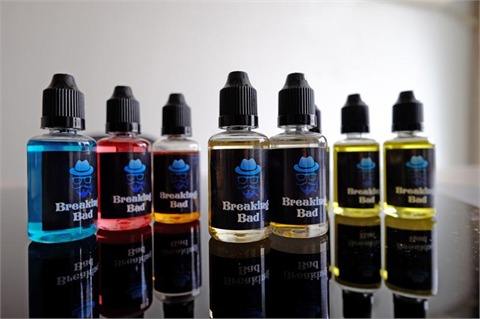
Basic knowledge of DIY e-liquid
PG — Also known as Propylene Glycol, e-liquids with a high PG content provide a stronger throat hit and a more intense flavor, but the vapor will be smaller than VG.
VG — Also known as Vegetable Glycerin, e-liquids with a high VG content produce larger vapor clouds, and VG itself is slightly sweet.
Nicotine solution — Typically diluted in PG, VG, or a mixture of PG and VG, pure nicotine is highly toxic and should never be used directly.
These are the main components of e-liquid, along with flavorings. If needed, you can add a bit of distilled water, vodka, or pure grain alcohol to create usable e-liquid. You can use pure PG, pure VG, or a mixture of PG and VG as a solvent for flavorings, and add nicotine solution as needed, or you can choose not to add nicotine solution at all (in which case the throat hit will be smaller).
The concentration of nicotine solution is indicated in mg, for example, 20mg means there are 20mg of pure nicotine in 1ml of e-liquid.
DIY e-liquid — Common nicotine concentration references
0mg — 10mg Low concentration
11mg — 16mg Medium concentration
17mg — 24mg High concentration
25mg — 36mg Very high concentration
Never use e-liquid with a nicotine concentration exceeding 36mg!
DIY e-liquid — Flavoring usage
For most flavorings, you only need to add 5% to 20% (for some tobacco flavorings, only 1% to 3% is needed). When mixing multiple flavorings, keep the total amount the same. It is generally recommended to start with a small concentration of flavoring and gradually increase the concentration to find your preferred taste.
Similarly, it is advisable to make a small amount of e-liquid first, and once you find a recipe you like, consider making it in larger quantities. Be sure to record the recipe; otherwise, if you accidentally create a great e-liquid and forget the recipe, it will be unfortunate.
Now, for example, if you want to make 10ml of e-liquid with a nicotine concentration of 18mg/ml, with 50% PG and 50% VG, and adding 10% flavoring, you would buy a nicotine solution of 36mg with 50% PG and 50% VG.
The recipe would be:
1ml flavoring
2ml PG
2ml VG
5ml of 36mg nicotine solution (50% PG, 50% VG)
DIY e-liquid — Propylene Glycol (PG):
A common additive in medicines and foods, hygroscopic, slightly sweet, odorless, colorless, and transparent, with a flow similar to water. The FDA describes PG as "generally recognized as safe for human consumption."
PG is one of the main base components of e-liquid (carrying nicotine and flavorings), mainly used to "carry most of the e-liquid flavor" and produce "a small amount of vapor" and "throat hit." If you enjoy "big clouds," then you should not choose an e-liquid with a high PG content.
Although PG is generally safe for human consumption, a small number of people may experience mild side effects such as throat discomfort, phlegm, or allergies. These side effects are temporary and mild; just stop vaping or switch to a lower PG content e-liquid (some e-liquids are PG-free), and you’ll be fine.
DIY e-liquid — Vegetable Glycerin (VG):
A more common additive in medicines and foods (commonly used in making cakes, chocolates, and other sweets), very hygroscopic, sweeter than PG, odorless, colorless, and transparent, with a flow similar to cooking oil.
VG is one of the main base components of e-liquid (carrying nicotine and flavorings), mainly used to produce "large vapor clouds."
VG has no known side effects (no one has ever reported an allergy to chocolate...), but due to its viscous nature, it may slightly increase the difficulty of cleaning the atomizer.
Basic knowledge of DIY e-liquid
PG — Also known as Propylene Glycol, e-liquids with a high PG content provide a stronger throat hit and a more intense flavor, but the vapor will be smaller than VG.
VG — Also known as Vegetable Glycerin, e-liquids with a high VG content produce larger vapor clouds, and VG itself is slightly sweet.
Nicotine solution — Typically diluted in PG, VG, or a mixture of PG and VG, pure nicotine is highly toxic and should never be used directly.
These are the main components of e-liquid, along with flavorings. If needed, you can add a bit of distilled water, vodka, or pure grain alcohol to create usable e-liquid. You can use pure PG, pure VG, or a mixture of PG and VG as a solvent for flavorings, and add nicotine solution as needed, or you can choose not to add nicotine solution at all (in which case the throat hit will be smaller).
The concentration of nicotine solution is indicated in mg, for example, 20mg means there are 20mg of pure nicotine in 1ml of e-liquid.
DIY e-liquid — Common nicotine concentration references
0mg — 10mg Low concentration
11mg — 16mg Medium concentration
17mg — 24mg High concentration
25mg — 36mg Very high concentration
Never use e-liquid with a nicotine concentration exceeding 36mg!
DIY e-liquid — Flavoring usage
For most flavorings, you only need to add 5% to 20% (for some tobacco flavorings, only 1% to 3% is needed). When mixing multiple flavorings, keep the total amount the same. It is generally recommended to start with a small concentration of flavoring and gradually increase the concentration to find your preferred taste.
Similarly, it is advisable to make a small amount of e-liquid first, and once you find a recipe you like, consider making it in larger quantities. Be sure to record the recipe; otherwise, if you accidentally create a great e-liquid and forget the recipe, it will be unfortunate.
Now, for example, if you want to make 10ml of e-liquid with a nicotine concentration of 18mg/ml, with 50% PG and 50% VG, and adding 10% flavoring, you would buy a nicotine solution of 36mg with 50% PG and 50% VG.
The recipe would be:
1ml flavoring
2ml PG
2ml VG
5ml of 36mg nicotine solution (50% PG, 50% VG)
DIY e-liquid — Propylene Glycol (PG):
A common additive in medicines and foods, hygroscopic, slightly sweet, odorless, colorless, and transparent, with a flow similar to water. The FDA describes PG as "generally recognized as safe for human consumption."
PG is one of the main base components of e-liquid (carrying nicotine and flavorings), mainly used to "carry most of the e-liquid flavor" and produce "a small amount of vapor" and "throat hit." If you enjoy "big clouds," then you should not choose an e-liquid with a high PG content.
Although PG is generally safe for human consumption, a small number of people may experience mild side effects such as throat discomfort, phlegm, or allergies. These side effects are temporary and mild; just stop vaping or switch to a lower PG content e-liquid (some e-liquids are PG-free), and you’ll be fine.
DIY e-liquid — Vegetable Glycerin (VG):
A more common additive in medicines and foods (commonly used in making cakes, chocolates, and other sweets), very hygroscopic, sweeter than PG, odorless, colorless, and transparent, with a flow similar to cooking oil.
VG is one of the main base components of e-liquid (carrying nicotine and flavorings), mainly used to produce "large vapor clouds."
VG has no known side effects (no one has ever reported an allergy to chocolate...), but due to its viscous nature, it may slightly increase the difficulty of cleaning the atomizer.
Related Articles

Vaping News
Ahead of a Nationwide Ban, Hundreds of Russian Retailers Voluntarily Stop Selling Vapes
2026-04-16

Vaping News
Illegal Vape Brands Try to Evade FDA Scrutiny by Posing as “Made in the USA”
2026-04-08

Vaping News
Jordan’s New Tobacco Control Rules: Waterpipe Tobacco Market Set for Major Changes
2026-03-17