
JUUL Partners with JD.com, Plans $100 Million Push into China
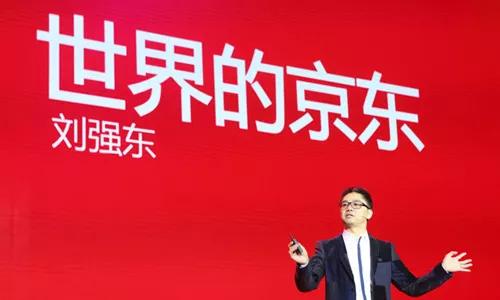
U.S. e-cigarette brand JUUL is set to officially enter the Chinese market and has reached a strategic partnership with JD.com. JUUL products are expected to launch on JD's e-commerce platform by October at the latest this year. In addition, JUUL plans to
The American e-cigarette brand "JUUL" will officially enter the Chinese market and has reached a strategic cooperation with JD.com. By October at the latest, JUUL e-cigarette products will be available on the JD.com e-commerce platform. In addition, JUUL plans to invest at least $100 million in brand building and marketing within 15 months.
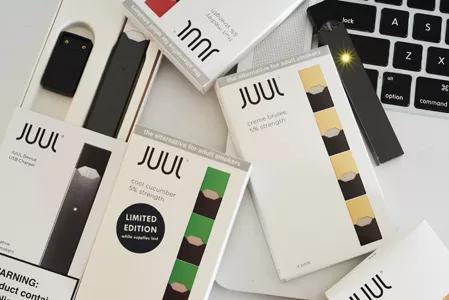
Headquartered in San Francisco, JUUL is the inventor of nicotine salts. The brand began to emerge in 2015 and, after a strategic investment of $12.8 billion from Altria in December 2018, JUUL's valuation reached $38 billion, making it the highest-valued e-cigarette unicorn company in the world and gradually establishing its position as the largest e-cigarette brand globally.
According to sources close to the matter, JUUL began researching the Chinese market as early as 2016, but the plan to enter China was shelved at that time because the small e-cigarette market had not yet formed an industry. Around June 2019, JUUL partnered with Bain & Company, which was responsible for the initial team building, corporate planning, talent recruitment, and supply chain implementation for JUUL in China. In addition to the Chinese market, Bain also managed JUUL's overseas business in other regions.
In the initial stages of cooperation, JUUL contacted several leading e-commerce platforms in China, with JD.com being the first to reach a partnership.
Additionally, JUUL is reaching out to e-cigarette supply chain talents through various channels, hoping to establish a localized supply chain in China. Sources indicate that JUUL previously had an OEM factory in the Wujiang area of Suzhou, but considering future demand in the domestic market, it may seek a new site in Suzhou to expand production capacity.
It is worth mentioning that in building its Chinese team, JUUL has contacted several well-known executives from domestic companies, including Wang Huainan, the founder of the maternal and infant e-commerce platform Babytree. Babytree responded to the news by stating that the founder "has no plans to work for any other company."
Wang Huainan has not confirmed joining JUUL but is expected to fly to JUUL's headquarters in the United States for discussions within the month.
Why is JUUL choosing to enter China at this time?
Compared to 2016, China's "small cigarette" consumption has matured, and JUUL, which is facing a crackdown from the U.S. government, needs to accelerate its entry into the Chinese market to ensure its growth.
JUUL e-cigarettes are marketed as a "smoking alternative," aiming to provide smokers with a new nicotine intake experience. However, they have gradually become a "trendy" standard among many teenagers, leading to various public pressures. Subsequently, JUUL closed its social media accounts and stopped selling flavored e-cigarettes in stores, but the market did not seem to respond positively.
Recently, the San Francisco regulatory commission passed an ordinance prohibiting the sale or distribution of any e-cigarette products without approval from the U.S. Food and Drug Administration (FDA), which will take effect in early 2020. As a result, JUUL, headquartered in San Francisco, has once again been pushed to the "forefront of controversy."
JUUL had previously projected its brand sales to exceed $3.4 billion in 2019, a figure approximately three times that of 2018, making "going overseas" an important way to achieve its goals.
In July 2018, JUUL officially entered the UK, which was the largest e-cigarette market outside the U.S. at that time. Bain provided various landing services for JUUL. Additionally, due to different requirements for nicotine concentrations in e-liquids between the UK and the U.S., JUUL adjusted its product formula accordingly, but the core marketing point remained as "smoking alternative." In June of this year, JUUL announced plans to launch its products in 1,300 McColl stores, increasing its retail presence in the UK to 7,000 stores.
On the other hand, the Chinese e-cigarette market is growing rapidly, making it a market that JUUL cannot ignore. As mentioned earlier, JUUL had considered entering the Chinese market as early as 2016.
During the recently concluded JD.com 6.18 shopping festival, the transaction volume of e-cigarettes increased sixfold compared to last year. Capital is also pouring in, with leading company RELX valued at $2.4 billion, becoming the first unicorn company, while more than 200 successful financing cases in the e-cigarette industry were recorded in the first half of 2019.
#p#分页标题#e#
However, unlike the UK market, the Chinese e-cigarette industry is still in its early stages, and relevant laws and regulations are not yet perfect. There have been reports that new national standards will be announced as early as October this year, and if regulations are released, they will pose significant challenges for JUUL. We will continue to follow JUUL's progress.
Headquartered in San Francisco, JUUL is the inventor of nicotine salts. The brand began to emerge in 2015 and, after a strategic investment of $12.8 billion from Altria in December 2018, JUUL's valuation reached $38 billion, making it the highest-valued e-cigarette unicorn company in the world and gradually establishing its position as the largest e-cigarette brand globally.
According to sources close to the matter, JUUL began researching the Chinese market as early as 2016, but the plan to enter China was shelved at that time because the small e-cigarette market had not yet formed an industry. Around June 2019, JUUL partnered with Bain & Company, which was responsible for the initial team building, corporate planning, talent recruitment, and supply chain implementation for JUUL in China. In addition to the Chinese market, Bain also managed JUUL's overseas business in other regions.
In the initial stages of cooperation, JUUL contacted several leading e-commerce platforms in China, with JD.com being the first to reach a partnership.
Additionally, JUUL is reaching out to e-cigarette supply chain talents through various channels, hoping to establish a localized supply chain in China. Sources indicate that JUUL previously had an OEM factory in the Wujiang area of Suzhou, but considering future demand in the domestic market, it may seek a new site in Suzhou to expand production capacity.
It is worth mentioning that in building its Chinese team, JUUL has contacted several well-known executives from domestic companies, including Wang Huainan, the founder of the maternal and infant e-commerce platform Babytree. Babytree responded to the news by stating that the founder "has no plans to work for any other company."
Wang Huainan has not confirmed joining JUUL but is expected to fly to JUUL's headquarters in the United States for discussions within the month.
Why is JUUL choosing to enter China at this time?
Compared to 2016, China's "small cigarette" consumption has matured, and JUUL, which is facing a crackdown from the U.S. government, needs to accelerate its entry into the Chinese market to ensure its growth.
JUUL e-cigarettes are marketed as a "smoking alternative," aiming to provide smokers with a new nicotine intake experience. However, they have gradually become a "trendy" standard among many teenagers, leading to various public pressures. Subsequently, JUUL closed its social media accounts and stopped selling flavored e-cigarettes in stores, but the market did not seem to respond positively.
Recently, the San Francisco regulatory commission passed an ordinance prohibiting the sale or distribution of any e-cigarette products without approval from the U.S. Food and Drug Administration (FDA), which will take effect in early 2020. As a result, JUUL, headquartered in San Francisco, has once again been pushed to the "forefront of controversy."
JUUL had previously projected its brand sales to exceed $3.4 billion in 2019, a figure approximately three times that of 2018, making "going overseas" an important way to achieve its goals.
In July 2018, JUUL officially entered the UK, which was the largest e-cigarette market outside the U.S. at that time. Bain provided various landing services for JUUL. Additionally, due to different requirements for nicotine concentrations in e-liquids between the UK and the U.S., JUUL adjusted its product formula accordingly, but the core marketing point remained as "smoking alternative." In June of this year, JUUL announced plans to launch its products in 1,300 McColl stores, increasing its retail presence in the UK to 7,000 stores.
On the other hand, the Chinese e-cigarette market is growing rapidly, making it a market that JUUL cannot ignore. As mentioned earlier, JUUL had considered entering the Chinese market as early as 2016.
During the recently concluded JD.com 6.18 shopping festival, the transaction volume of e-cigarettes increased sixfold compared to last year. Capital is also pouring in, with leading company RELX valued at $2.4 billion, becoming the first unicorn company, while more than 200 successful financing cases in the e-cigarette industry were recorded in the first half of 2019.
#p#分页标题#e#
However, unlike the UK market, the Chinese e-cigarette industry is still in its early stages, and relevant laws and regulations are not yet perfect. There have been reports that new national standards will be announced as early as October this year, and if regulations are released, they will pose significant challenges for JUUL. We will continue to follow JUUL's progress.
Related Articles

Vaping News
Ahead of a Nationwide Ban, Hundreds of Russian Retailers Voluntarily Stop Selling Vapes
2026-04-16

Vaping News
Illegal Vape Brands Try to Evade FDA Scrutiny by Posing as “Made in the USA”
2026-04-08

Vaping News
Jordan’s New Tobacco Control Rules: Waterpipe Tobacco Market Set for Major Changes
2026-03-17