
Patent big data reveals rapid e-cigarette automation growth and rising demand
The main reasons automation in e-cigarette production has faced obstacles include rapid product iteration, large and diverse production equipment that takes up considerable floor space, and relatively high investment costs. For small and medium-sized e-ci
The reasons for the obstacles in the automation process of e-cigarettes mainly include rapid product updates, large and diverse production equipment occupying significant space, and high investment costs. For small and medium-sized e-cigarette manufacturers, upgrading production lines requires a certain cost investment, which is a relatively high barrier.
For large e-cigarette manufacturers with relatively strong financial resources, laying out automated production can optimize and improve product production efficiency, helping to strengthen and consolidate their leading position in the industry.
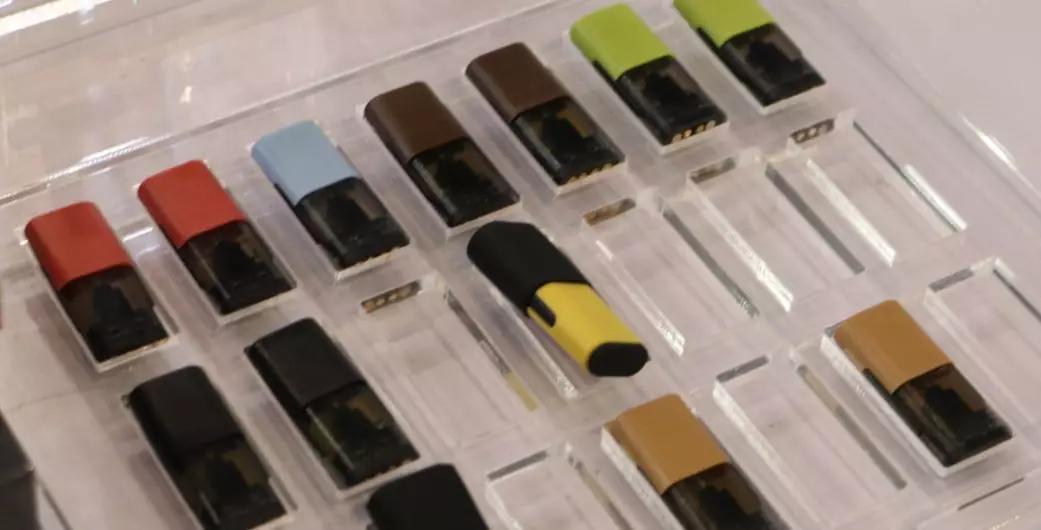 Figure: E-cigarette pods
Patent layout can reflect a company's strategic direction to some extent. Therefore, to understand the current attention and layout of e-cigarette manufacturers regarding automated production, I conducted a simple search on Google Patents for about 50 common e-cigarette manufacturers' patents related to automation.
The results showed that most e-cigarette manufacturers have not yet laid out patents for automated production, while a few companies, such as Heyuan, Jirui, Micwell, Xinyikang, Zhuolinen, and Skoll, have already made early layouts.
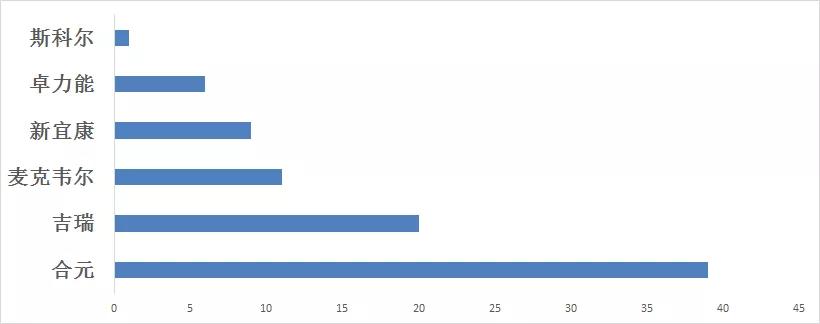 Figure: Search results for patents related to automation in e-cigarette manufacturing companies
The above results are based on the keywords "company name & automation". After comprehensive analysis, I found that the layout of e-cigarette manufacturers in automated production mainly involves two aspects: product improvement and equipment development.
Product improvement refers to modifying the structure of e-cigarettes, such as changing the soft wire connection method to a pin insertion method, which greatly facilitates automated production. Companies like Micwell, Zhuolinen, and Xinyikang mainly focus on this method to lay out automated production.
Equipment development refers to e-cigarette manufacturers independently developing equipment, including but not limited to assembly, oil filling, testing, and other automated equipment. Companies like Jirui, Heyuan, and Skoll are involved in this method of laying out automated production.
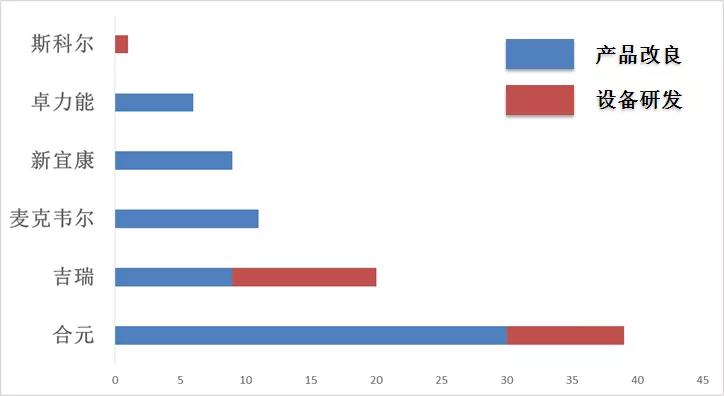 Figure: Types of patents related to automation layout in e-cigarette manufacturing companies
Next, we will further elaborate and analyze how e-cigarette manufacturers are laying out automated production from the two aspects of product improvement and equipment development.
1. Product Improvement Faction
First, the product improvement faction consists of e-cigarette manufacturers that modify the structure of e-cigarette products to give them advantages for automated production, thus facilitating the introduction of automation technology into the production system.
These automation-related improvement plans aim to solve issues such as difficult positioning, complex assembly, and cumbersome steps, such as:
Improving the liquid storage structure to facilitate automated liquid filling;
Changing the cross-section of the air outlet at the mouthpiece to a non-circular shape for easier identification and positioning;
Improving the connection method between the battery component and the air switch, heating element for easier automated production;
Changing the traditional adhesive fixing method between devices to an insertion method;
Improving the outer wall of the e-cigarette for easier identification and positioning, facilitating automated production;
The ceramic atomization core has evolved from having pins to being pinless, which is also beneficial for automated production, etc.
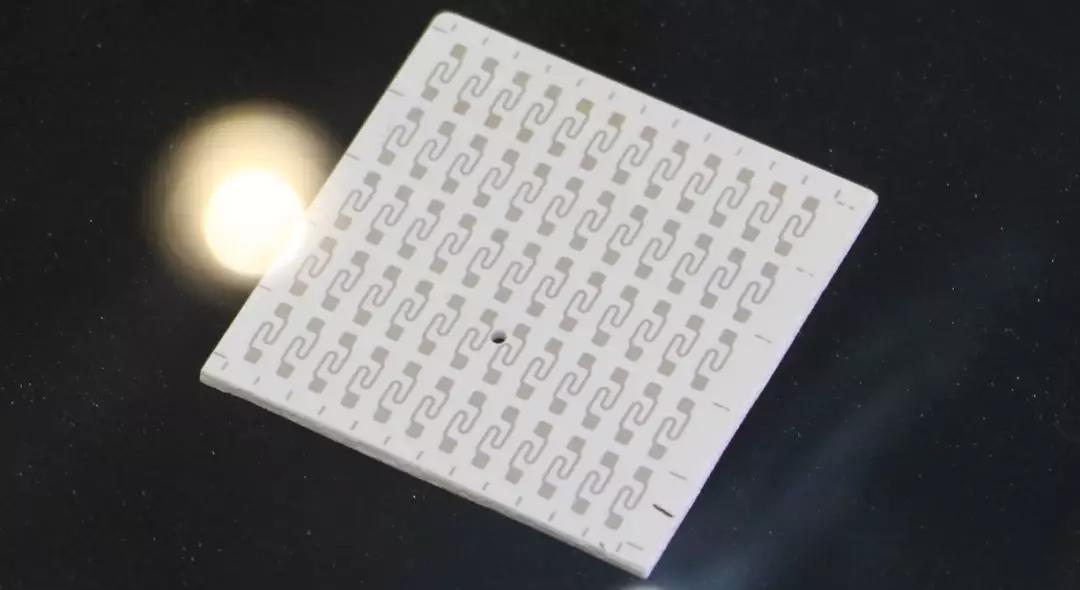 Figure: Pinless ceramic atomization core greatly facilitates automated production
2. Equipment Development Faction
The equipment development faction focuses on independently developing equipment during the assembly process and applying automation technology in their production systems.
Initially, this involved the development of e-cigarette oil filling devices, followed by automated separation devices for springs, automatic assembly devices for protective covers, automated testing devices for resistance, oil cotton core manufacturing devices, automatic cotton rolling devices, cotton core cutting devices, sealing ring/O-ring assembly devices, resistance wire assembly devices, cylindrical cotton processing devices, metal tube processing devices, etc.
In addition to individual automated devices, automated assembly production lines for e-cigarettes are also involved.
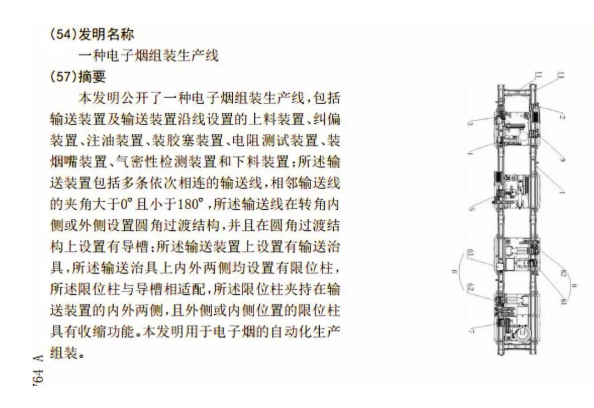 Figure: An e-cigarette assembly production line, CN110026764A
3. Growing Demand for E-Cigarette Automation Equipment
Based on the analysis of patents related to automation in e-cigarette manufacturing companies, we can see that apart from a few companies like Heyuan (which has its own automation department), Jirui (with comprehensive patent layout), and Skoll (supported by Winhe Technology), most e-cigarette manufacturers belong to the "product improvement faction."
This indicates that as the e-cigarette industry continues to develop, the demand for automated equipment applications is also increasing. This can be seen from the growth in the number of patents.
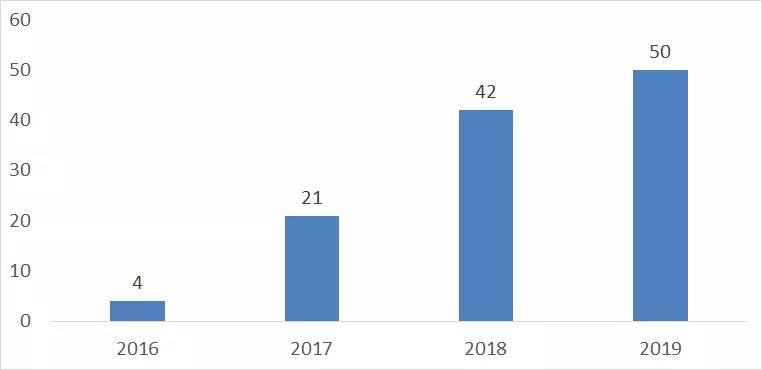 Figure: Growth and trend of e-cigarette automation equipment patents from 2016 to 2019
I conducted a search on Google Patents regarding the patent situation of e-cigarette automation equipment and conducted a comprehensive analysis. The above chart shows that 2018 was a booming year for e-cigarettes, and we can see that the number of patents for e-cigarette automation equipment in 2018 was double that of 2017, representing a significant increase. It is foreseeable that with the development and upgrading of the e-cigarette industry, the demand for e-cigarette automation equipment is expected to continue to grow.
For large e-cigarette manufacturers with relatively strong financial resources, laying out automated production can optimize and improve product production efficiency, helping to strengthen and consolidate their leading position in the industry.
Figure: E-cigarette podsPatent layout can reflect a company's strategic direction to some extent. Therefore, to understand the current attention and layout of e-cigarette manufacturers regarding automated production, I conducted a simple search on Google Patents for about 50 common e-cigarette manufacturers' patents related to automation.
The results showed that most e-cigarette manufacturers have not yet laid out patents for automated production, while a few companies, such as Heyuan, Jirui, Micwell, Xinyikang, Zhuolinen, and Skoll, have already made early layouts.
Figure: Search results for patents related to automation in e-cigarette manufacturing companiesThe above results are based on the keywords "company name & automation". After comprehensive analysis, I found that the layout of e-cigarette manufacturers in automated production mainly involves two aspects: product improvement and equipment development.
Product improvement refers to modifying the structure of e-cigarettes, such as changing the soft wire connection method to a pin insertion method, which greatly facilitates automated production. Companies like Micwell, Zhuolinen, and Xinyikang mainly focus on this method to lay out automated production.
Equipment development refers to e-cigarette manufacturers independently developing equipment, including but not limited to assembly, oil filling, testing, and other automated equipment. Companies like Jirui, Heyuan, and Skoll are involved in this method of laying out automated production.
Figure: Types of patents related to automation layout in e-cigarette manufacturing companiesNext, we will further elaborate and analyze how e-cigarette manufacturers are laying out automated production from the two aspects of product improvement and equipment development.
1. Product Improvement Faction
First, the product improvement faction consists of e-cigarette manufacturers that modify the structure of e-cigarette products to give them advantages for automated production, thus facilitating the introduction of automation technology into the production system.
These automation-related improvement plans aim to solve issues such as difficult positioning, complex assembly, and cumbersome steps, such as:
Improving the liquid storage structure to facilitate automated liquid filling;
Changing the cross-section of the air outlet at the mouthpiece to a non-circular shape for easier identification and positioning;
Improving the connection method between the battery component and the air switch, heating element for easier automated production;
Changing the traditional adhesive fixing method between devices to an insertion method;
Improving the outer wall of the e-cigarette for easier identification and positioning, facilitating automated production;
The ceramic atomization core has evolved from having pins to being pinless, which is also beneficial for automated production, etc.
Figure: Pinless ceramic atomization core greatly facilitates automated production2. Equipment Development Faction
The equipment development faction focuses on independently developing equipment during the assembly process and applying automation technology in their production systems.
Initially, this involved the development of e-cigarette oil filling devices, followed by automated separation devices for springs, automatic assembly devices for protective covers, automated testing devices for resistance, oil cotton core manufacturing devices, automatic cotton rolling devices, cotton core cutting devices, sealing ring/O-ring assembly devices, resistance wire assembly devices, cylindrical cotton processing devices, metal tube processing devices, etc.
In addition to individual automated devices, automated assembly production lines for e-cigarettes are also involved.
Figure: An e-cigarette assembly production line, CN110026764A3. Growing Demand for E-Cigarette Automation Equipment
Based on the analysis of patents related to automation in e-cigarette manufacturing companies, we can see that apart from a few companies like Heyuan (which has its own automation department), Jirui (with comprehensive patent layout), and Skoll (supported by Winhe Technology), most e-cigarette manufacturers belong to the "product improvement faction."
This indicates that as the e-cigarette industry continues to develop, the demand for automated equipment applications is also increasing. This can be seen from the growth in the number of patents.
Figure: Growth and trend of e-cigarette automation equipment patents from 2016 to 2019I conducted a search on Google Patents regarding the patent situation of e-cigarette automation equipment and conducted a comprehensive analysis. The above chart shows that 2018 was a booming year for e-cigarettes, and we can see that the number of patents for e-cigarette automation equipment in 2018 was double that of 2017, representing a significant increase. It is foreseeable that with the development and upgrading of the e-cigarette industry, the demand for e-cigarette automation equipment is expected to continue to grow.
Related Articles

Vaping News
Ahead of a Nationwide Ban, Hundreds of Russian Retailers Voluntarily Stop Selling Vapes
2026-04-16

Vaping News
Illegal Vape Brands Try to Evade FDA Scrutiny by Posing as “Made in the USA”
2026-04-08

Vaping News
Jordan’s New Tobacco Control Rules: Waterpipe Tobacco Market Set for Major Changes
2026-03-17