
What Chemicals Are Found in Cigarettes?
What chemicals are found in cigarettes? Everyone knows smoking is harmful to health. Cigarettes contain many harmful components. Everything is made up of molecules, and cigarettes are no exception. What are the components of cigarettes? The most harmful s
What chemicals are found in cigarettes? Everyone knows that smoking is harmful to health, and cigarettes contain many harmful components. Every substance is made up of molecules, and cigarettes are no exception. What are the components of cigarettes? Among them, the most harmful substances are the particulate matter contained within. Below, the editor from the China Cigarette Network has organized an introduction to the composition of cigarette components.
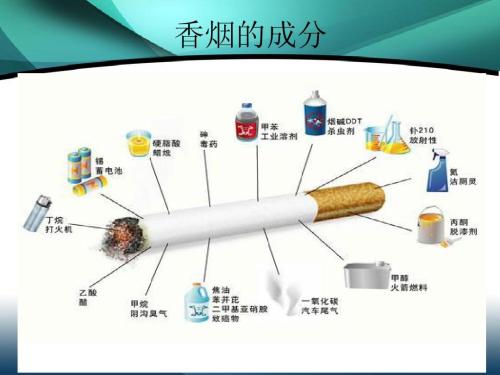
What chemicals are found in cigarettes? It is known that chemical components are harmful, and there are more than 300 harmful components in cigarettes, including nicotine, sulfur dioxide, and other harmful substances that are inhaled. Let's take a look:
1. Nicotine
2. Tar
3. Nitrosamines
4. Carbon monoxide
5. Radioactive substances
6. Other harmful and carcinogenic substances
Composition and hazards of cigarette components
What are the components of cigarettes? When a cigarette is lit, the components produced can reduce the ability of red blood cells to transport oxygen throughout the body, which is CO. Long-term smoking can lead to heavy metal poisoning and affect brain blood oxygen metabolism, causing various diseases such as coronary heart disease, hypertension, and cerebrovascular diseases.
1. Nicotine
Nicotine can cause addiction or dependency. Repeated use of nicotine increases heart rate, raises blood pressure, and decreases appetite. Large doses of nicotine can cause vomiting and nausea, and in severe cases, can be fatal. Even in small amounts, nicotine acts as an accomplice to various carcinogens in cigarettes, opening the "door" to cancer onset.
2. Coal tar
Tobacco tar refers to a layer of brown greasy substance accumulated in the mouthpiece used by smokers, commonly known as tobacco oil. Coal tar contains carcinogenic and promutagenic substances, and tar adheres to the surfaces of the pharynx, throat, trachea, and bronchial mucosa. Excessive accumulation over time can induce abnormal cell proliferation, leading to cancer.
3. Benzo[a]pyrene (Nitrosamines)
This is a common highly active indirect carcinogen, with a high inhalation rate into the lungs. It enters the lungs through the respiratory tract, reaching the alveoli and even the bloodstream, leading to lung cancer and cardiovascular diseases.
What chemicals are found in cigarettes? It is known that chemical components are harmful, and there are more than 300 harmful components in cigarettes, including nicotine, sulfur dioxide, and other harmful substances that are inhaled. Let's take a look:
1. Nicotine
2. Tar
3. Nitrosamines
4. Carbon monoxide
5. Radioactive substances
6. Other harmful and carcinogenic substances
Composition and hazards of cigarette components
What are the components of cigarettes? When a cigarette is lit, the components produced can reduce the ability of red blood cells to transport oxygen throughout the body, which is CO. Long-term smoking can lead to heavy metal poisoning and affect brain blood oxygen metabolism, causing various diseases such as coronary heart disease, hypertension, and cerebrovascular diseases.
1. Nicotine
Nicotine can cause addiction or dependency. Repeated use of nicotine increases heart rate, raises blood pressure, and decreases appetite. Large doses of nicotine can cause vomiting and nausea, and in severe cases, can be fatal. Even in small amounts, nicotine acts as an accomplice to various carcinogens in cigarettes, opening the "door" to cancer onset.
2. Coal tar
Tobacco tar refers to a layer of brown greasy substance accumulated in the mouthpiece used by smokers, commonly known as tobacco oil. Coal tar contains carcinogenic and promutagenic substances, and tar adheres to the surfaces of the pharynx, throat, trachea, and bronchial mucosa. Excessive accumulation over time can induce abnormal cell proliferation, leading to cancer.
3. Benzo[a]pyrene (Nitrosamines)
This is a common highly active indirect carcinogen, with a high inhalation rate into the lungs. It enters the lungs through the respiratory tract, reaching the alveoli and even the bloodstream, leading to lung cancer and cardiovascular diseases.
Related Articles

Vaping News
Ahead of a Nationwide Ban, Hundreds of Russian Retailers Voluntarily Stop Selling Vapes
2026-04-16

Vaping News
Illegal Vape Brands Try to Evade FDA Scrutiny by Posing as “Made in the USA”
2026-04-08

Vaping News
Jordan’s New Tobacco Control Rules: Waterpipe Tobacco Market Set for Major Changes
2026-03-17