JUUL Urges Customers to Ask Florida Governor to Sign Flavor Vape Ban
The state legislature passed the SB 810 bill last week. This bill aligns the state with new federal restrictions, prohibiting the sale of tobacco and vaping products to individuals under 21 years old, and also bans the sale of vaping products with flavors other than tobacco and menthol. The bill is now on the governor's desk, awaiting his signature to become law or his veto.
The passage of this bill would make Florida the third state to ban flavored vaping products, denying nearly one million vaping users access to the most effective products and shutting down nearly a thousand vape businesses. The independent vaping industry is frantically trying to mobilize opposition to the bill, and the consumer advocacy group CASAA has called on all vapers in Florida to take action.
However, despite the desperate pleas from small vape businesses and consumers to persuade Governor Ron DeSantis to veto the bill, JUUL has sent an email to its Florida customers urging them to encourage the governor to sign the bill into law. JUUL claims to support the bill because it backs age restrictions on sales.
The email states: “The governor of Florida has the opportunity to sign into law a measure that raises the minimum age for purchasing or possessing tobacco products (including vaping products) from 18 to 21.”
“Your governor's decision to make 'Tobacco 21' law in Florida is crucial for reducing youth usage and helping you transition away from combustible cigarettes with products like JUUL.”
“Please take a minute to send an important message urging Governor DeSantis to sign 'Tobacco 21' legislation into law today!”
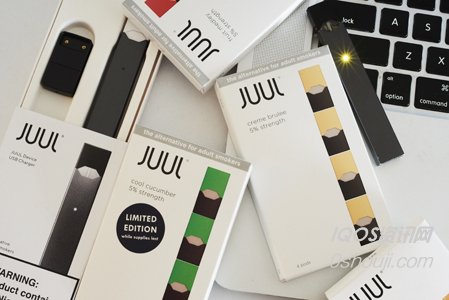
JUUL has not explained anywhere how this bill would eliminate the options for all Florida consumers to use flavored vaping products and destroy independent vape shops.
JUUL no longer needs to advocate for the Tobacco 21 law on a state-by-state basis. Federal law was passed in December, meaning the legal age in Florida (and every other state) is now 21. The state bill merely codifies Florida's enforcement plan, which is a requirement for the state to maintain some federal funding.
JUUL's real reason for wanting its customers to urge the passage of this bill is the flavor ban, which would eliminate its main competitors: vape shops and e-liquid manufacturers. JUUL has long stated its desire to "reset the vaping category," which would leave JUUL and a few tobacco companies with most of the business.
In November 2018, JUUL removed most flavored pods from the market and ended sales of its popular mint pods a year later. The Trump administration announced a ban this year on the sale of all pre-filled pods and cartridge-style vaping products, except for tobacco and menthol.
Despite the uproar over youth usage of flavored vaping products, the National Youth Tobacco Survey shows that flavors are not the primary reason teenagers try vaping. However, large-scale surveys of adult vaping users show that most successful adult vapers rely on flavored products. JUUL is well aware of this data but seems more concerned with market share than the millions of vaping users (including those using JUUL's flavored pods) who are quitting smoking.
If JUUL succeeds and Governor DeSantis signs this bill into law, all legal vapor businesses will have the option to sell only tobacco and menthol flavors or shut down.
With the May PMTA deadline approaching and the chaos caused by the coronavirus pandemic putting immense pressure on small vape businesses, the flavor ban could soon force Florida vape shops to close.
Related Articles

Ahead of a Nationwide Ban, Hundreds of Russian Retailers Voluntarily Stop Selling Vapes

Illegal Vape Brands Try to Evade FDA Scrutiny by Posing as “Made in the USA”