Tea-Based Heated Tobacco Cartridges Gain Momentum in the Global Market
According to the latest research from a tobacco intelligence company, tea-based heated tobacco cartridges are spreading rapidly worldwide, serving not only as an alternative to traditional smoking but also as an alternative to conventional heated tobacco
According to the latest research from Tobacco Intelligence, tea-based heated tobacco cartridges are spreading rapidly worldwide, not only as an alternative to traditional smoking, but also as an alternative to conventional heated tobacco products.
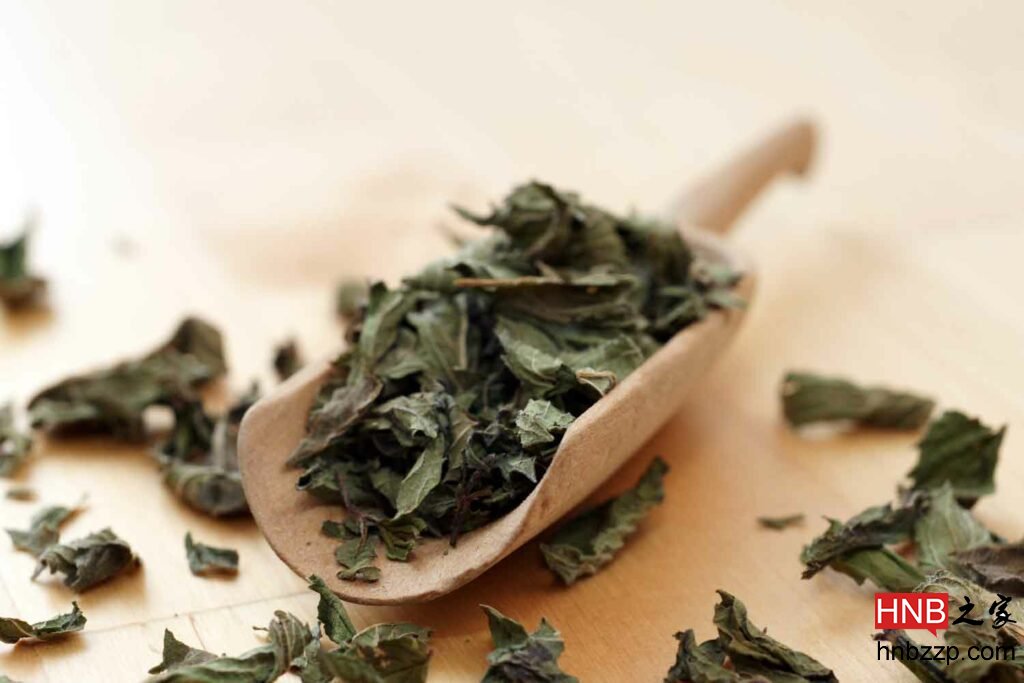
These products offer an experience similar to using heated tobacco sticks, but unlike conventional heated tobacco products, they contain no tobacco at all. Instead, they use different materials—usually tea—to carry flavors, and sometimes nicotine as well.
Now, these new tea-based cartridges are shedding light on this fast-growing but still little-known market.
Research shows that fruit flavors are the most popular in most of the countries covered, but nicotine strengths vary widely. In some countries, such as Japan, only zero-nicotine products are sold.
“Tea-based heated tobacco cartridges are usually cheaper than comparable tobacco products, and they are also compatible with some heated tobacco devices. From a consumer perspective, they offer a low-cost alternative, while for manufacturers, they provide a legal way to offer flavors in countries where flavored heated tobacco products are banned,” explained Eva Antal, market analysis director at Tobacco Intelligence.
“We expect more products to be launched in more countries, but at the same time, we do not expect regulators to ignore them forever,” Antal said.
At present, Japan and Poland have the largest number of products available, although Japan has a much wider variety of brands.
Japan is also one of the cheapest countries for these products. By contrast, Germany is the most expensive.
Tea-based heated tobacco cartridges are currently available across nine major markets: the Czech Republic, Germany, Hungary, Japan, Malaysia, the Philippines, Poland, Russia, and the United Kingdom.