San Francisco Bans E-Cigarettes
The San Francisco City Supervisory Board approved a proposal on Tuesday——
Ban the sale and distribution of e-cigarettes in the city until the U.S. Food and Drug Administration (FDA) completes its assessment of its public health impact. And the proposal will become formal law after the same officials hold a second vote next week.
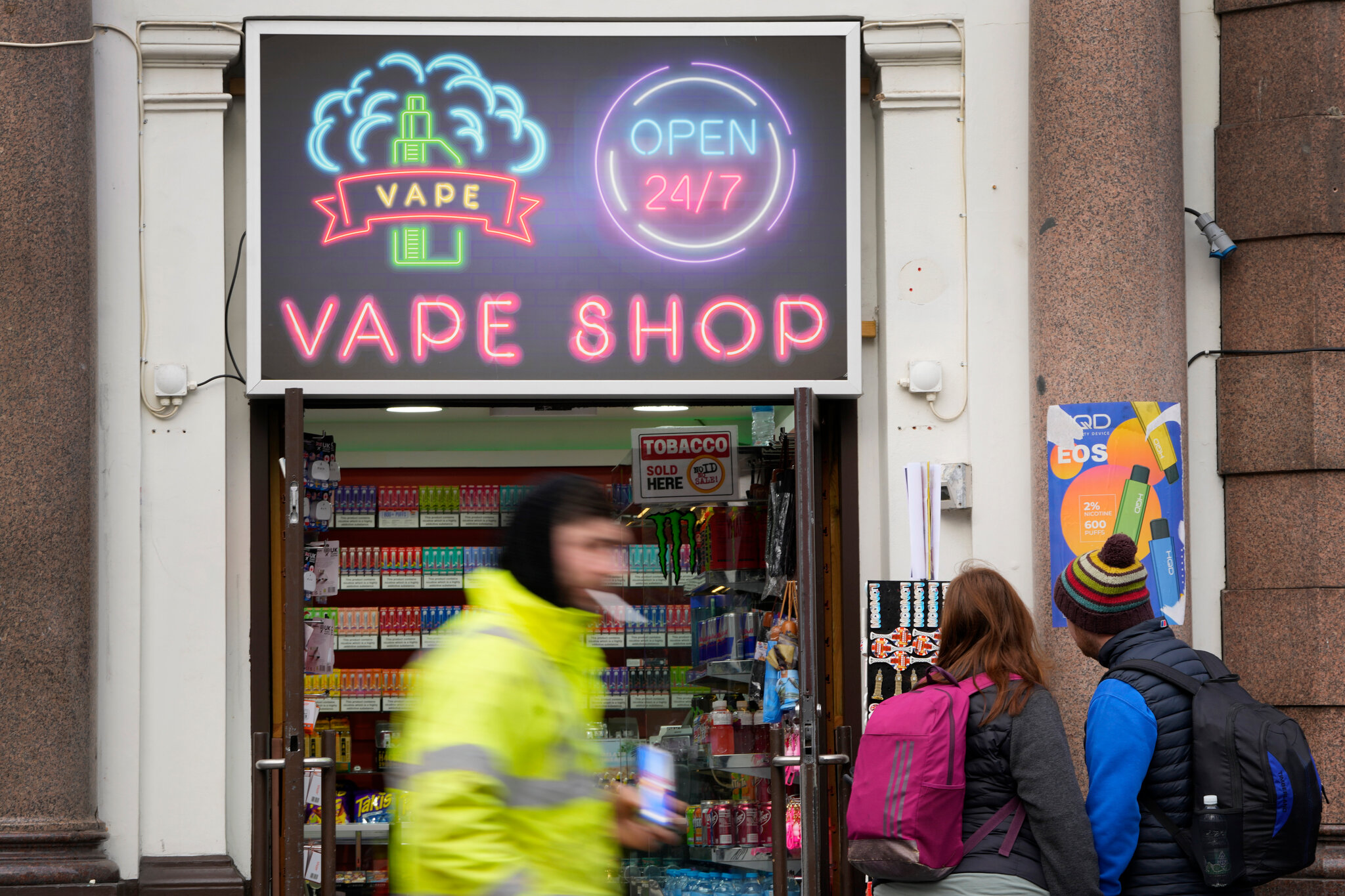
San Francisco will become the first city in the United States to completely ban the sale of e-cigarettes.
This is obviously a piece of news that American e-cigarette brands do not want to see. E-cigarette giant JUUL once said in a statement that it has taken action to prevent young people from buying their products, but a complete ban on the sale of e-cigarettes will lead to more adults buying and smoking traditional cigarettes, which will be even more harmful. But it probably didn't expect that the first city to issue a ban was San Francisco, where JUUL's headquarters are located.
Abroad, a warning
It became popular nearly ten years earlier than ChinaThe U.S. e-cigarette market has the same fate to be decided。
In the United States, e-cigarettes have been included in the scope of FDA supervision. Data show that every flavor of every e-cigarette in the United States must undergo FDA PMTA approval before it can be marketed. Although the FDA does not have actual enforcement powers, it does have the power to promote regulation by other agencies. At present, the FDA has absolute influence on the e-cigarette market. It can be said that what the FDA holds in its hands is the direction of the U.S. e-cigarette market.
At present, the FDA's supervision of the U.S. e-cigarette market is becoming increasingly stringent.
In April this year, FDA Director Scott Gottlieb singled out and criticized JUUL Labs in an interview. He firmly blamed the e-cigarette giant for nicotine addiction among American teenagers.
It is not difficult to understand that less than three years after its establishment, JUUL now holds a three-quarters share of the U.S. e-cigarette market, with a valuation of nearly US$40 billion. Once the name is called, JUUL will inevitably bear the brunt.