E-Cigarette Microphone Sensor Technology: Electret Is the Mainstream Today, Silicon MEMS May Be the
Just like the atomizer cores have ceramic cores and cotton cores, e-cigarette microphones also have subcategories, mainly two types: electret and silicon MEMS, with electret microphones being the most common today, while silicon MEMS is considered the future trend.<\/p>
Let's take a look at the comparison between these two types of capacitive microphones for e-cigarettes.
1. Basic principle of microphone sensing - parallel plate capacitor<\/strong><\/p> First, the principle: both electret microphones and silicon MEMS respond through a diaphragm and a back plate forming a parallel plate capacitor. The airflow differential pressure causes the diaphragm to deform, then the capacitance changes, which is recognized and processed by the ASIC chip to output an electrical signal, ultimately achieving the start and stop of the e-cigarette.<\/p> Key point: the change in capacitance.<\/p> In circuit theory, given a voltage, the ability of a capacitor to store charge is called capacitance, denoted as C. A parallel plate capacitor is a simple type of capacitor made up of two thin conductive plates that are parallel to each other and separated by space or a dielectric.<\/p> According to the relevant formula for parallel plate capacitors:<\/p> ● Normal e-cigarette microphones: the area of the conductive plate A remains constant, the dielectric constant ε is assumed to be air, the airflow causes the diaphragm to deform - the distance d between the diaphragm and the plate changes - causing a change in capacitance;<\/p> ● Leaky e-cigarette microphones: the area of the conductive plate A remains constant, the medium between the plate and diaphragm is not air, but e-liquid, then the dielectric constant ε changes - causing a change in capacitance - self-starting.<\/p> 2. Electret microphone vs. silicon MEMS: structural and diaphragm differences<\/strong><\/p> In terms of structure, most electret microphones have the plate on top and the diaphragm below, with the substrate having holes. This design leads to electret microphones being prone to oil and water ingress, causing changes in the dielectric constant, which leads to capacitance changes and issues like self-starting.<\/p> To avoid oil leakage, a design with the plate below and the diaphragm above can be used, although this can complicate assembly processes and increase production costs.<\/p> Microstructure of the microphone<\/strong><\/p> As for capacitive silicon MEMS, according to professionals, it can be designed with the diaphragm on top and the plate below. Additionally, unlike the polymer diaphragm of electret microphones, the diaphragm of silicon MEMS is silicon-based.<\/p> In terms of manufacturing processes, electret microphones are usually manually assembled, although some leading companies use automated assembly, while silicon MEMS are produced using MEMS technology. In terms of performance, electret microphones are currently the most mature type of e-cigarette microphone, with stable mass production and low cost as advantages, but they also have some drawbacks, such as being non-oil-proof, poor heat dissipation, and not passing SMT. If better performance and higher production efficiency are pursued, the advantages of silicon MEMS will gradually become apparent, such as being waterproof and oil-proof, small size, high-temperature resistance, passing SMT, and stable consistency, etc. The main issue with silicon MEMS is cost, which is to say, "everything is good, but it's expensive." The good news is that with advancements in technology, according to relevant manufacturers, under large-scale mass production applications, its cost can be on par with electret microphones. Summary<\/strong><\/p> The above is a comparison of the two types of capacitive microphones for e-cigarettes. In addition to capacitive types, there are also resistive microphones, which will be introduced in another article when the opportunity arises.<\/p> In summary, capacitive microphones mainly have two types: electret and silicon MEMS, both differing in structure, diaphragm materials, manufacturing processes, and performance. In terms of application in e-cigarettes, electret microphones are currently mainstream, while silicon MEMS are considered the future trend. Technical information referenced from websites and materials such as Dawei Semiconductor, Huaxinbang, and Minxinwei.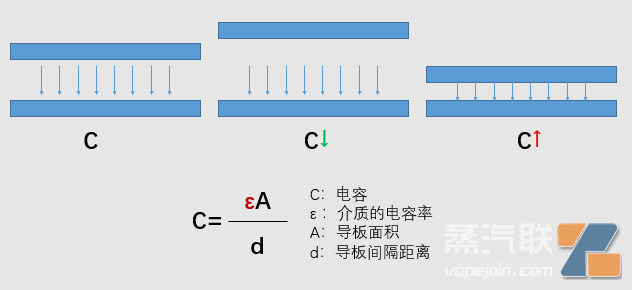 <\/p>
<\/p>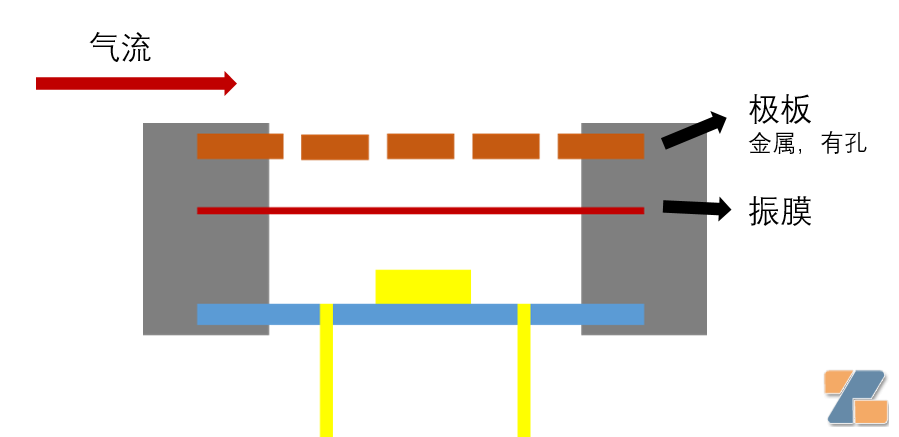 <\/p>
<\/p>