Indian Health Ministry Calls for Stricter Enforcement of E-cigarette Ban Law
Today, on May 24, news from foreign media reported that the Indian Federal Ministry of Health in New Delhi issued a notice on Monday, calling for stricter enforcement of the E-Cigarette Ban Law of 2019, which prohibits the production, manufacturing, import, export, transportation, sale, distribution, storage, and advertising of electronic cigarettes.
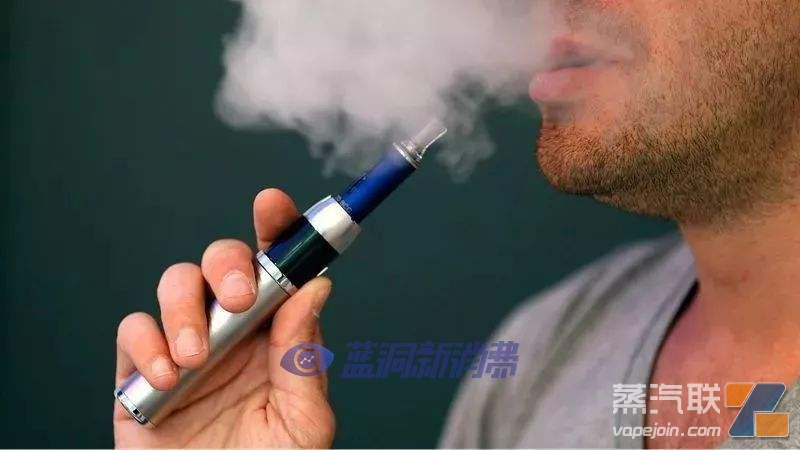
"The E-Cigarette Ban Law (prohibiting production, manufacturing, import, export, transportation, sale, distribution, storage, and advertising) was enacted on December 5, 2019, prohibiting production, manufacturing, import, export, transportation, sale, and distribution."
According to The Print's report today, the ministry's notice states that for public health, the storage and promotion of electronic cigarettes and related devices is prohibited.
The notice was issued after discovering that manufacturers, importers, sellers, and distributors were suspected of violating regulations while selling and promoting e-cigarettes.
"This is to notify all manufacturers, importers, exporters, distributors, advertisers, transporters, including couriers, social media sites, e-commerce websites, online shopping sites, store owners/retailers, etc., that they must not directly or indirectly produce, manufacture, import, export, transport, sell, distribute, or store electronic cigarettes, whether as complete products or any of their parts; and if advertising for electronic cigarettes or participating in any direct or indirect promotion of e-cigarette use (print, electronic media, internet or websites, or social media, etc.) is prohibited."
A survey conducted in 2022 showed that 94% of Indian e-cigarette users abandoned e-cigarettes and other electronic nicotine delivery systems (ENDS) after the ban was implemented in 2019.
This survey was designed by the Smoke-Free Children Movement and conducted in collaboration with the National Law School of India University in Bangalore, disseminated online, targeting individuals aged 18 to 34. Most respondents were from Karnataka.
The survey also revealed that over 56% of respondents believed there were health risks associated with using ENDS products, while 24% of respondents were unaware of any risks.