
Auto-Activation in Vaping Devices? A Closer Look at the Importance of Microphone Protection and Solu
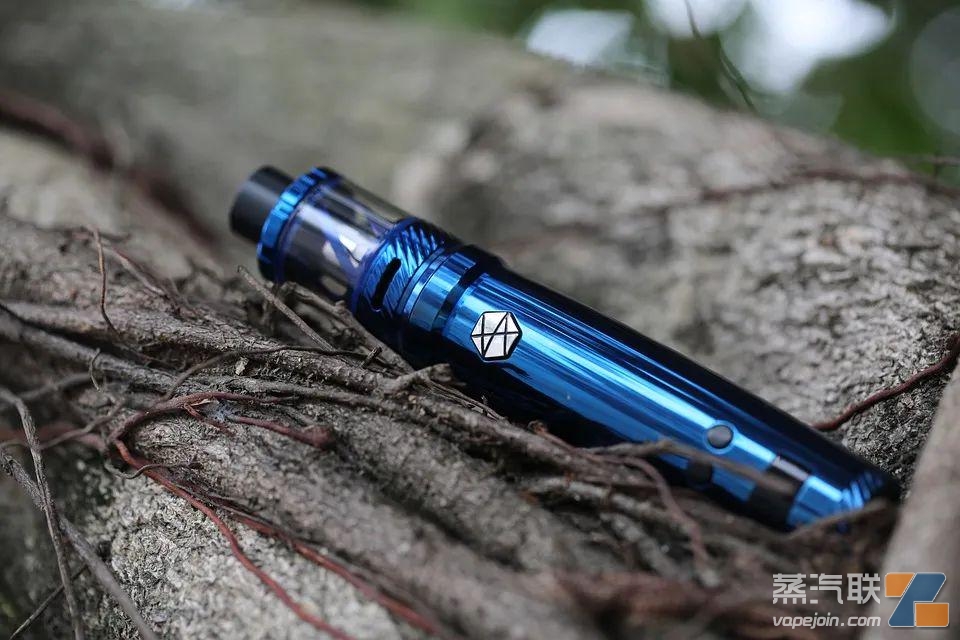
Vaping devices inevitably produce water vapor, e-liquid condensate, and other droplets during use. Without effective protection, e-liquid or water vapor can enter the gaps of the capacitive membrane, leading to reduced switch performance or even failure, which can cause dry burning or spontaneous combustion of the vaping device, and in severe cases, even explosions. Therefore, implementing oil and seepage protection on critical components of vaping devices is crucial for enhancing product quality, lifespan, safety, and user experience.
1
Four Protection Solutions for Vaping Devices
The new national standards have strict controls over the quality and component standards of vaping devices, which have gradually reduced the probability of malfunctions. However, due to the design and operational requirements of vaping devices, any shortcomings in waterproof, oil-proof, and seepage technologies can still lead to various failures (such as self-drawing, auto-start, delays, explosions, etc.).
The main protective measures for vaping devices include the following four solutions: structural waterproofing, traditional coatings, parylene, and nano-coatings.
(1) Structural Waterproofing: Structural waterproofing mainly targets the appearance and shell structure to prevent liquid entry, but it is difficult to prevent water vapor from penetrating the interior. In the vaping field, the overall device can adopt structural waterproofing, but it still requires targeted waterproof solutions for key components such as the PCBA board and microphone.
(Structural waterproofing requires significant investment: R&D costs, material costs, assembly difficulty costs. Additionally, during transportation, storage, and use, self-drawing issues are unavoidable. Due to structural issues, achieving optimal protection through structural waterproofing is challenging.)
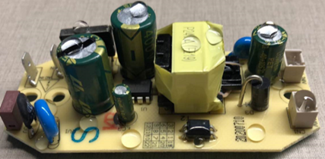
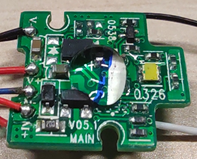
(2) Traditional Coatings: Traditional three-proof paints or other chemical coatings can provide protection on the PCBA board of vaping devices, but the difficulty of reworking the coating or its inability to be reworked, along with its impact on PCBA heat dissipation, results in low efficiency and cost-effectiveness, limiting the application of traditional coatings in the industrial production of vaping devices.
Moreover, during the application of traditional coatings, masking is required during production to avoid solder pads, test points, etc., which also affects mass production efficiency. (Traditional three-proof paint coatings are similar to potting, wrapping electronic components on the PCBA for protection. Oil droplets on the PCBA surface do not affect the electronic components. Disadvantages: slow processing, only applicable to the board, and the microphone cannot be treated.)
(3) Parylene: Parylene coatings have significantly superior performance in electronic product protection, but the high cost of poly-para-xylene dimer (ranging from $2000 to $10,000 per pound) makes parylene coatings expensive. Additionally, the long processing time and relatively low daily production capacity result in low cost-effectiveness for parylene coatings. Similar to traditional coatings, parylene also requires masking during processing, which affects its application in mass production.
(4) Sibory Nano Coating: Sibory's nano-coating utilizes plasma chemical vapor deposition technology, which has the remarkable advantage of being "impermeable." The film formation process resembles "growing" a thin film on the substrate surface, tightly adhering to it, providing excellent hydrophobic properties and protection. Nano-coating technology boasts high production efficiency and moderate pricing, making it cost-effective.
(The highlight: The microphone must undergo oil immersion for 7 days, which can only be achieved through vacuum nano-coating technology, applying a nano-level polymer film. This not only protects the microphone's dust net but also protects the PCB's vent holes and bonding seams.)
In summary, Sibory's nano-coating comprehensively addresses the protection issues of vaping devices, offering high production efficiency and cost-effectiveness. During the assembly of vaping devices, issues such as structure, oil-absorbing cotton, condensate, water immersion, and overfilling can lead to self-drawing problems. Structural waterproofing and three-proof paints cannot fully resolve these issues, but vacuum nano-coating can.
After coating, the vaping device's microphone and PCBA board can withstand oil immersion tests for 168 hours or more without abnormal lighting or flickering, and all functions remain normal after testing.
 #p#分页标题#e#
2
Protection and Testing Principles for Vaping Device Microphones
Among various solutions, the protection design and testing for vaping device microphones are of utmost importance. It is well known that the workflow of a typical vaping device is: when airflow (inhalation or exhalation) passes through the microphone, it generates an analog signal. When the analog signal reaches a certain level, it triggers an interruption, waking up the MCU, which then drives the PMOS to heat the heating wire, releasing vapor and lighting the LED.
When the MCU detects a decrease or disappearance of the analog signal, it stops driving the PMOS and LED, then monitors the battery voltage. If it does not reach the minimum value, it enters sleep mode; if it reaches the minimum value, it flashes the LED to indicate low voltage.
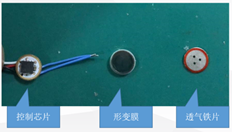
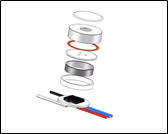
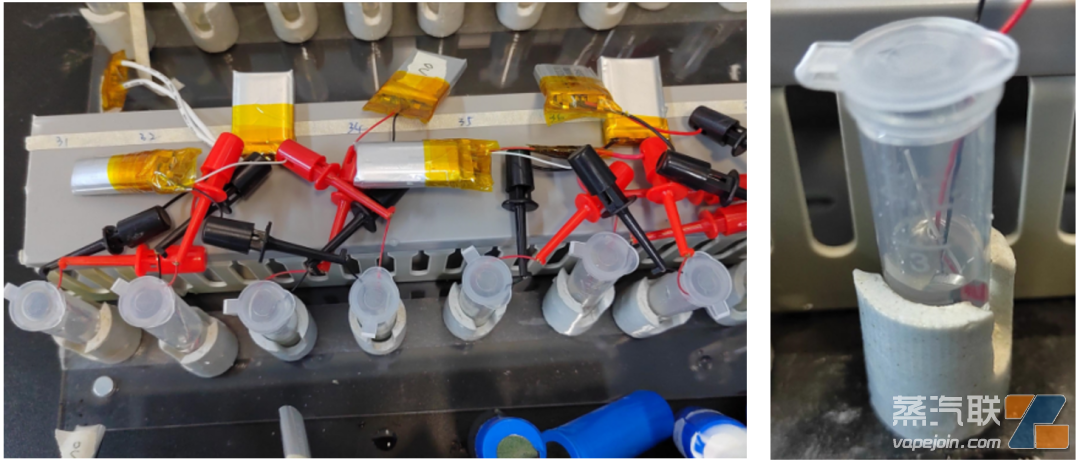
In various oil-proof testing solution designs, the working principle of lamp flashing is utilized. During the testing of waterproof and oil-proof performance, any abnormal lighting of the various indicator lights on the vaping device indicates that the protective performance is substandard. The main components affecting the waterproof performance of mainstream microphones include: dust net, membrane, chip, and PCB vent holes.
After applying Sibory's special nano-coating, the dust net becomes oil-proof, the chip will not short-circuit, and the oil intake at the PCB vent holes is significantly reduced, thus achieving no abnormal lighting.
In various performance tests of the nano super-hydrophobic film protection solution provided by Sibory Technology, repeated testing has confirmed that the vaping device's microphone and PCBA board can withstand oil immersion tests for 168 hours or more without abnormal lighting or flickering, and all functions remain normal after testing.
3
Sibory Technology Helps You Solve Protection Issues
Foshan Sibory Technology Co., Ltd.'s nano waterproof film super-hydrophobic film structure utilizes high ionization rate plasma generated by pulsed microwaves to "grow" highly cross-linked inorganic small molecules and organic macromolecular super-structure films that perfectly fit the shape of vaping devices and their internal precision components, forming a non-porous nano film layer that achieves excellent hydrophobic and barrier properties.
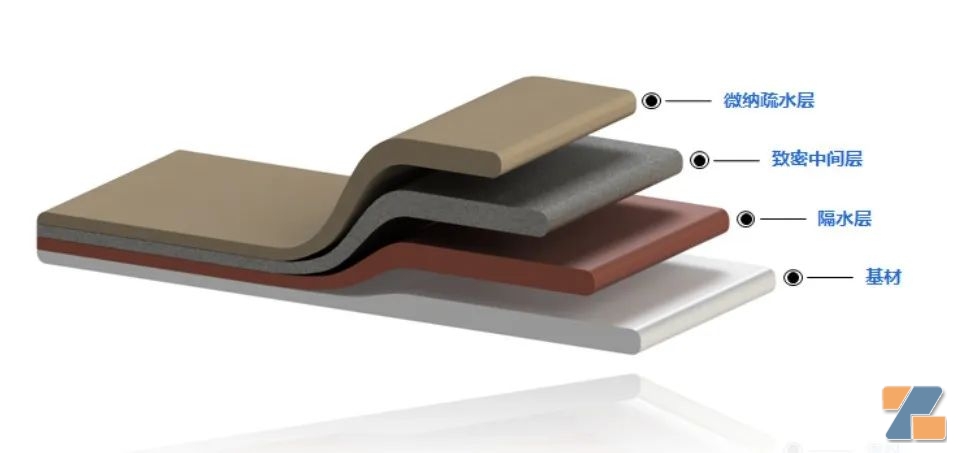
The basic design of the film layer consists of a water-blocking layer, a dense intermediate layer, and a micro-nano top layer. Depending on the different device requirements, the film layer structure or material formulation can be adjusted to achieve properties such as electrolysis resistance, salt spray resistance, acid-base resistance, and oxygen blocking.
Water-blocking bottom layer—organic polymer copolymer, highly cross-linked, networked and dense, effectively preventing water and gas molecules from passing through.
Dense intermediate layer—serving as a bridge, enhancing the adhesion between the top and bottom layers, giving the overall film layer a certain mechanical strength.
Micro-nano hydrophobic layer—super-hydrophobic micro-nano MNBs structure, supporting interfacial water molecules, further preventing water from spreading on the substrate surface, exhibiting super-hydrophobic characteristics.
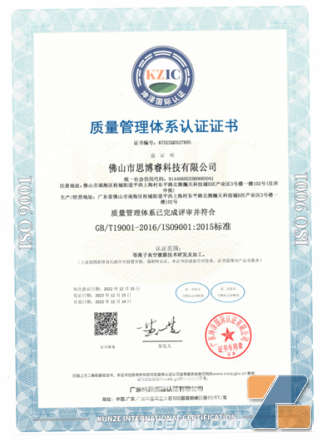
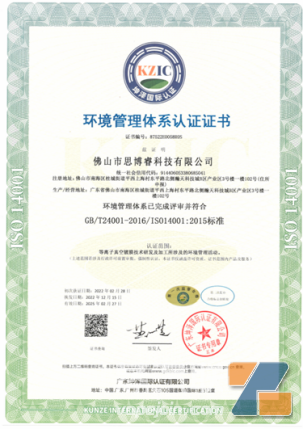
Foshan Sibory Technology Company has accumulated years of experience in large-scale production of MPCVD nano film layers, certified by ISO9001 quality management system and ISO14001 environmental management system, possessing complete large-scale production processes, supporting facilities, management plans, and testing methods.


