Key point: On April 3, Blue Hole released a March survey of vape shop owners to help the industry understand business conditions for standard-compliant vaping products over the past month. The State Tobacco Monopoly Administration opened
On April 3, news from Landhole reported on a survey of e-cigarette shop owners conducted in March, providing insights into the operational situation of national standard e-cigarettes over the past month.<\/p>
The National Tobacco Monopoly Bureau launched a 51-day crackdown on non-national standard e-cigarettes on March 6, which has been welcomed by compliant industry practitioners.<\/p>
Firstly, the crackdown targets e-cigarette manufacturers that are still illegally producing flavored e-cigarettes, and secondly, it targets retail entities that illegally sell e-cigarettes using the internet and WeChat.<\/p>
Eliminating illegal sources from above and cleaning up the retail market from below.<\/strong><\/p>In March, under this strict crackdown, many shop owners reported a rebound in national standard sales, but user feedback on flavor was still not ideal.
From various WeChat moments, it can be seen that information about non-national standard e-cigarettes has sharply decreased, shifting from public sales on WeChat to a phase of coded communication, indicating that the crackdown is having an effect.
Let’s take a look at the data from March's survey.<\/strong><\/p>The survey was distributed to shop owners with e-cigarette retail licenses, and while the sample size is limited, it still provides a glimpse of the overall situation.
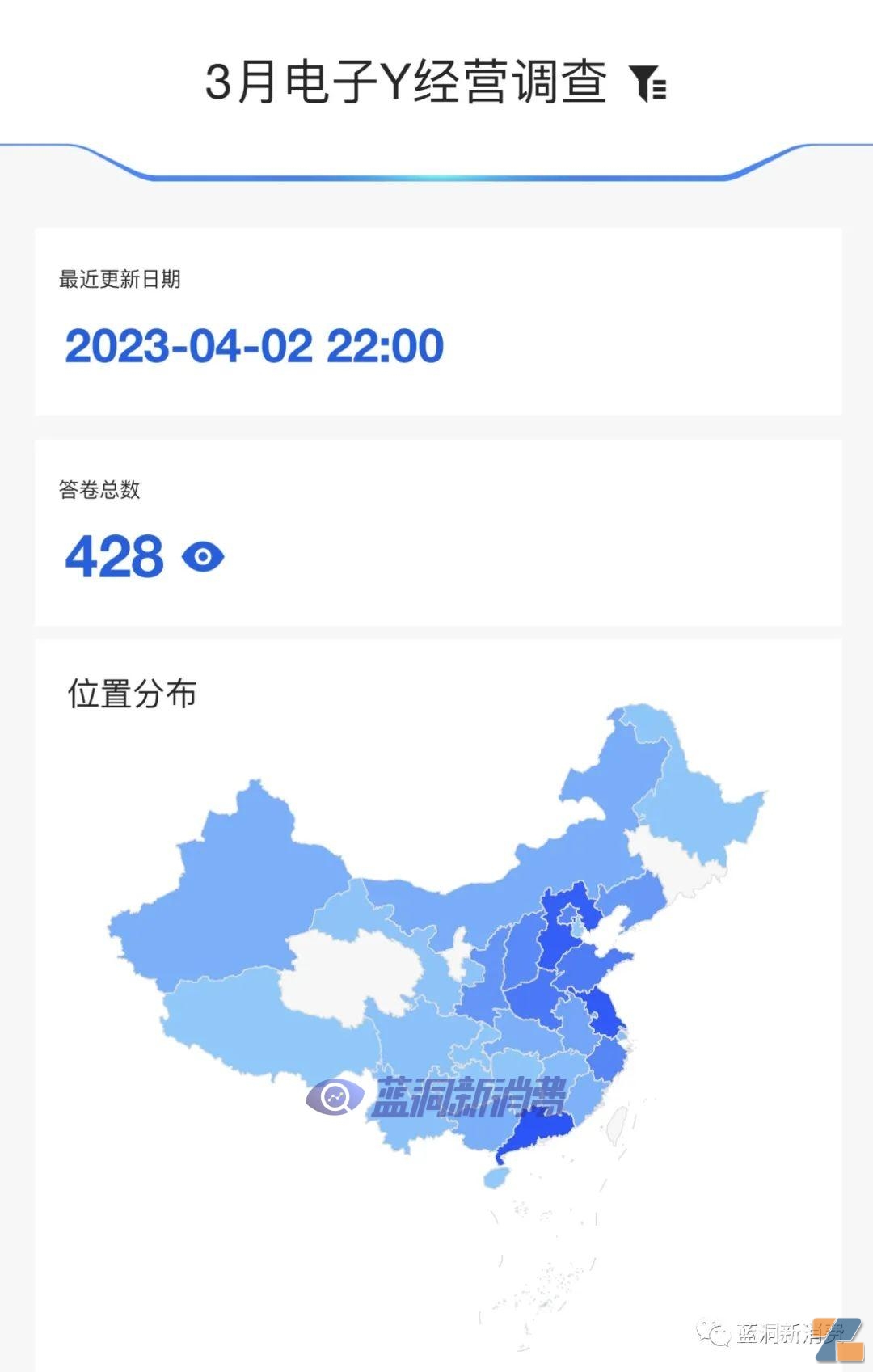 <\/section><\/section>This survey involved 428 licensed shop owners, with no participants from Jilin, Qinghai, and Ningxia.Guangdong, Hebei, and Jiangsu ranked as the top three participating provinces.<\/section>
 <\/section><\/section>48% of shop owners reported that national standard sales were still poor, nearing a break-even point, with only 15% of shop owners indicating good business.<\/section><\/section>41% of shop owners reported national standard sales below 5,000 yuan in March, and 88% of shop owners had sales below 30,000 yuan, with less than 5% of shop owners reporting sales above 50,000 yuan.<\/section>
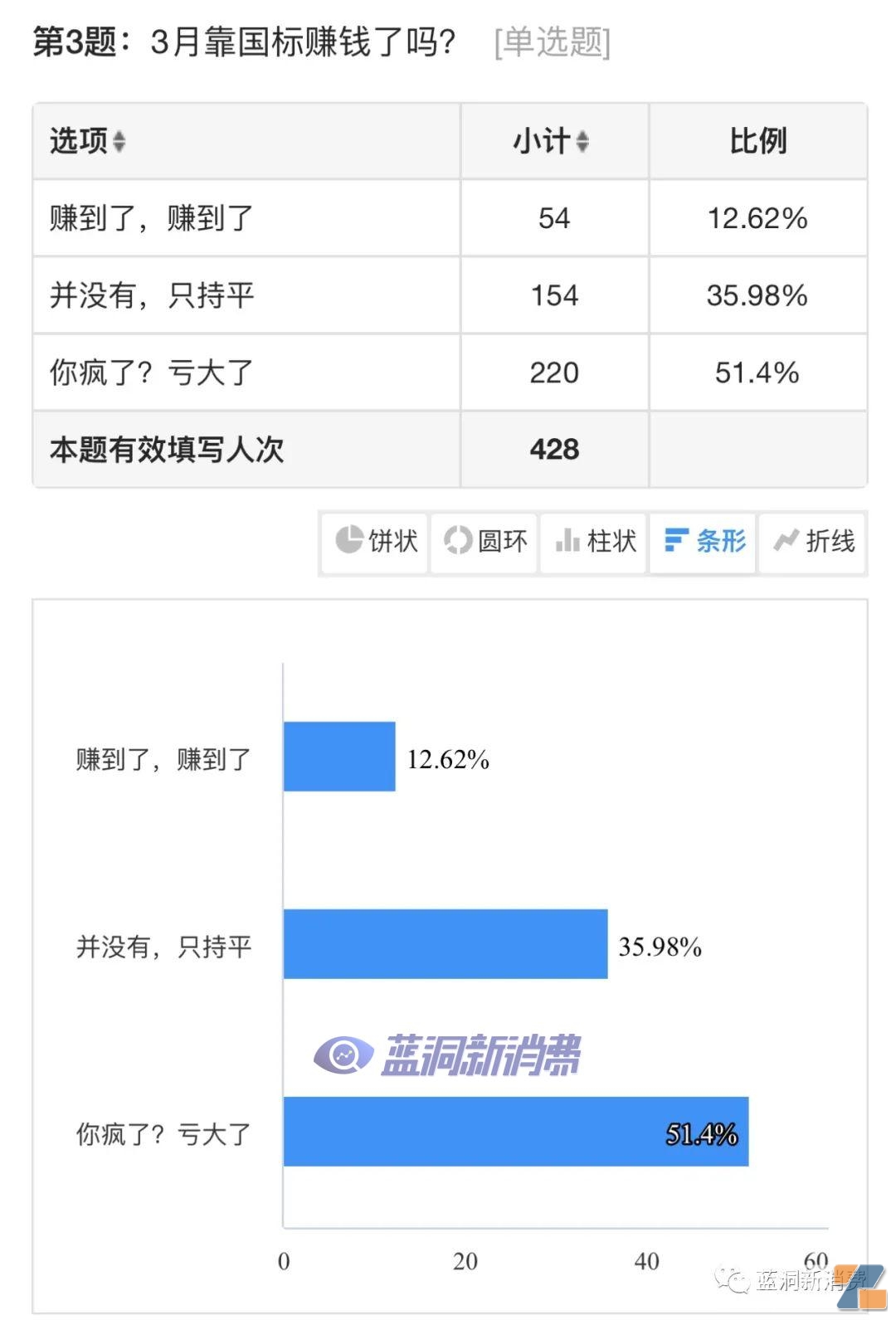 <\/section><\/section>In terms of profitability, 13% of shop owners reported making a profit, 36% reported breaking even, and 51% reported significant losses.<\/section>
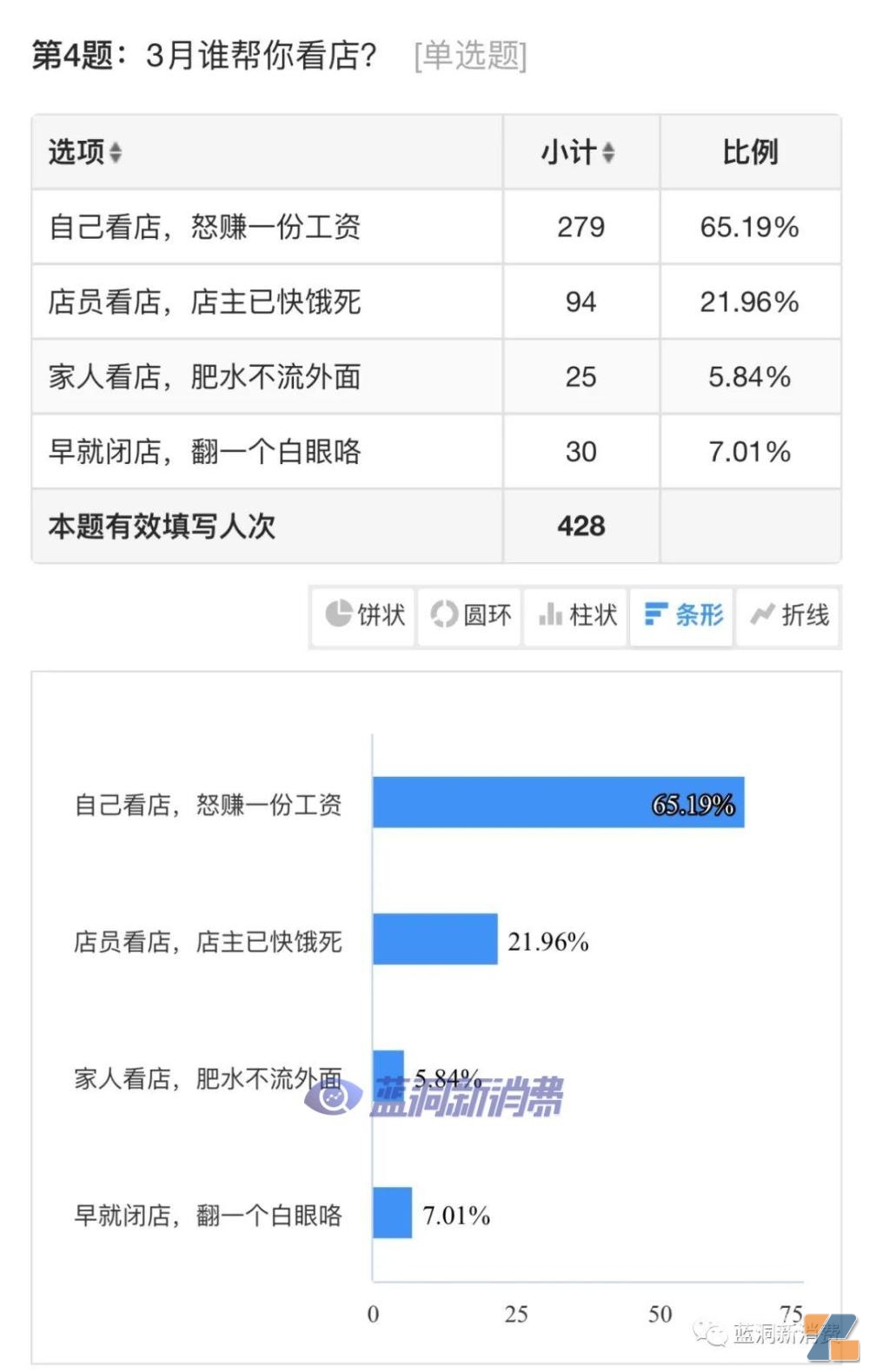
<\/section><\/section>65% of shop owners chose to run their shops themselves, while 7% reported closing their shops. With the efforts of Landhole, only 22% of shops are still hiring staff to operate.<\/section><\/section><\/section><\/section>55% of shop owners reported rent below 3,000 yuan, which is relatively low, while 19% of shop owners had rent above 5,000 yuan, which may make it difficult to make a profit.<\/section><\/section><\/section>48% of shop owners reported that their licenses would expire in June, and 30% reported expiration after September.<\/section><\/section>
<\/section><\/section>In terms of profitability, 13% of shop owners reported making a profit, 36% reported breaking even, and 51% reported significant losses.<\/section>
<\/section><\/section>65% of shop owners chose to run their shops themselves, while 7% reported closing their shops. With the efforts of Landhole, only 22% of shops are still hiring staff to operate.<\/section><\/section><\/section><\/section>55% of shop owners reported rent below 3,000 yuan, which is relatively low, while 19% of shop owners had rent above 5,000 yuan, which may make it difficult to make a profit.<\/section><\/section><\/section>48% of shop owners reported that their licenses would expire in June, and 30% reported expiration after September.<\/section><\/section>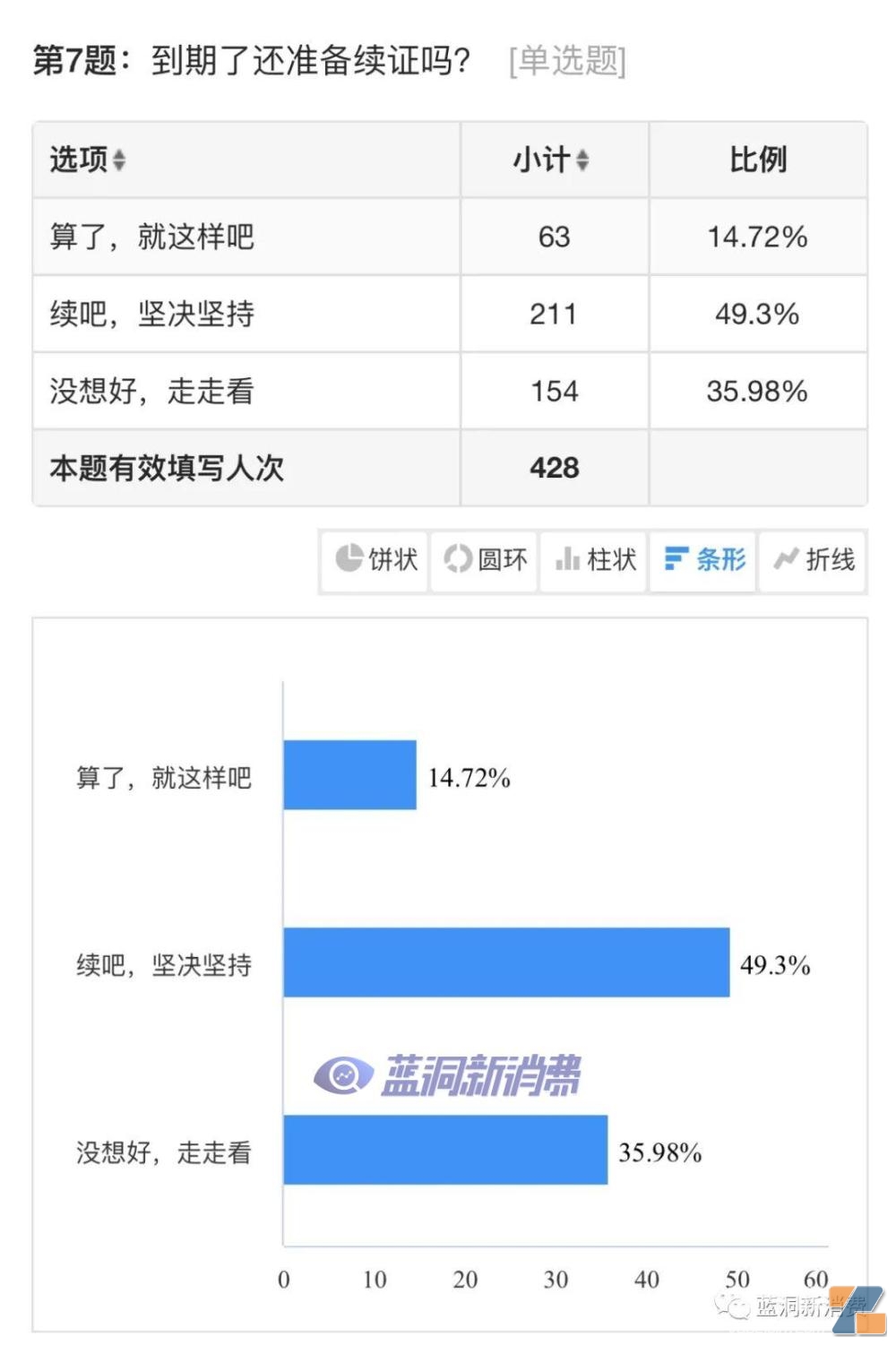 <\/section><\/section>49% of shop owners indicated they would continue to renew their licenses and stay in the e-cigarette business, 15% indicated they would withdraw, and 36% were undecided.<\/section>
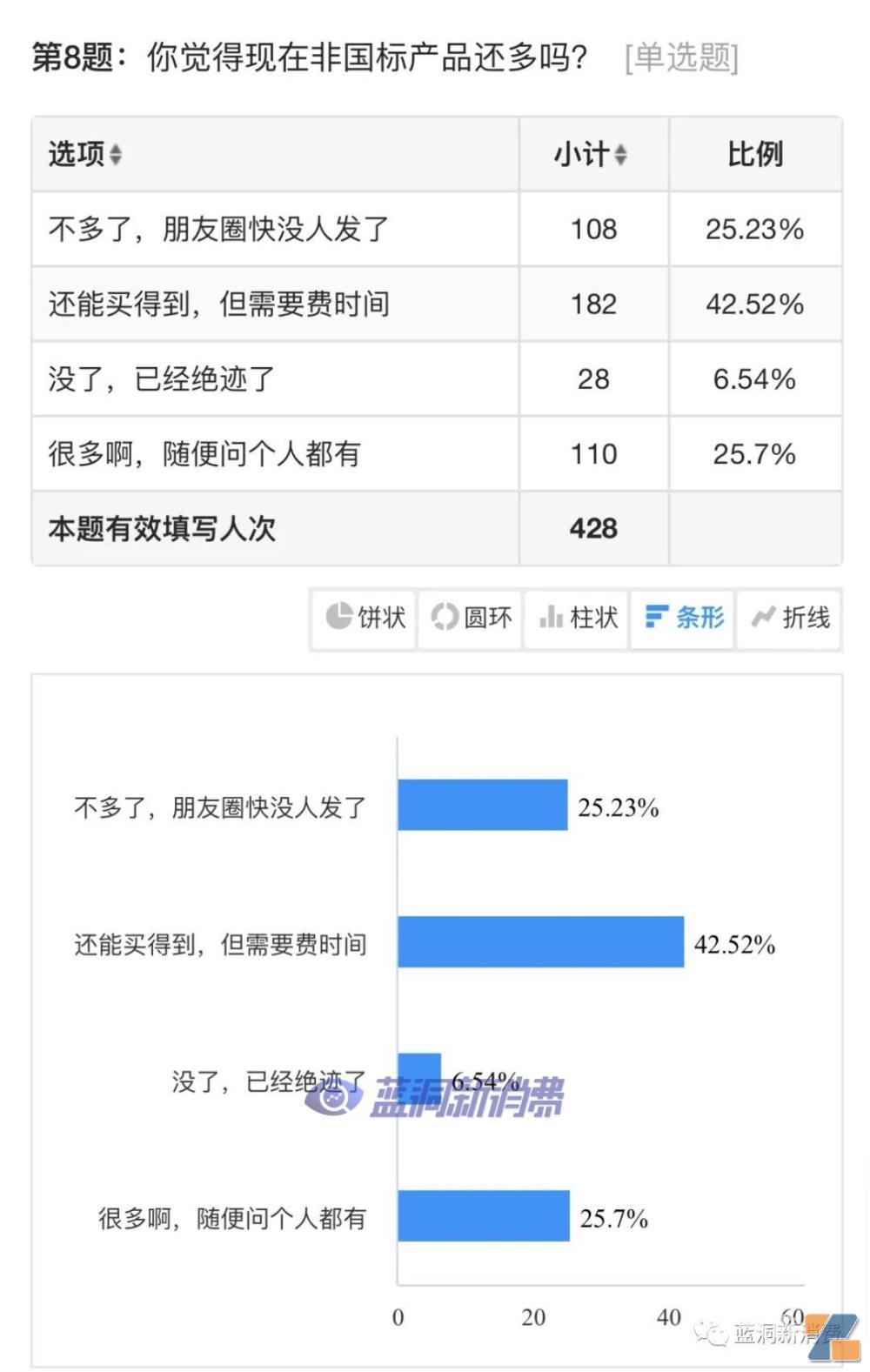 <\/section><\/section>This is a subjective question. 26% of shop owners reported that there are still many options available and that purchasing is still convenient, while 43% indicated they can find products, but it may take some time.<\/section><\/section><\/section><\/section>Landhole's established group for shop owners under bail has exceeded 120 members, indicating the wide reach of this crackdown. Licensed shop owners have differing opinions on this matter.<\/section>39% of non-involved shop owners believe that large warehouses and manufacturers should face harsher penalties, while shop owners should receive lighter penalties; 31% support strict crackdowns but believe that specific situations should be analyzed; 14% believe that strict crackdowns and severe penalties are necessary; and 16% believe that the legal education period has been relatively short and that lighter penalties can be applied.<\/section><\/section><\/section><\/section>55% of feedback indicated that the flavor of national standard products is still not very good and needs improvement, while 34% believe the feedback is very poor, with users not vaping much anymore; only 11% believe the flavor is decent and has started to gain traction.<\/section><\/section><\/section>This is a subjective question.<\/section><\/section>
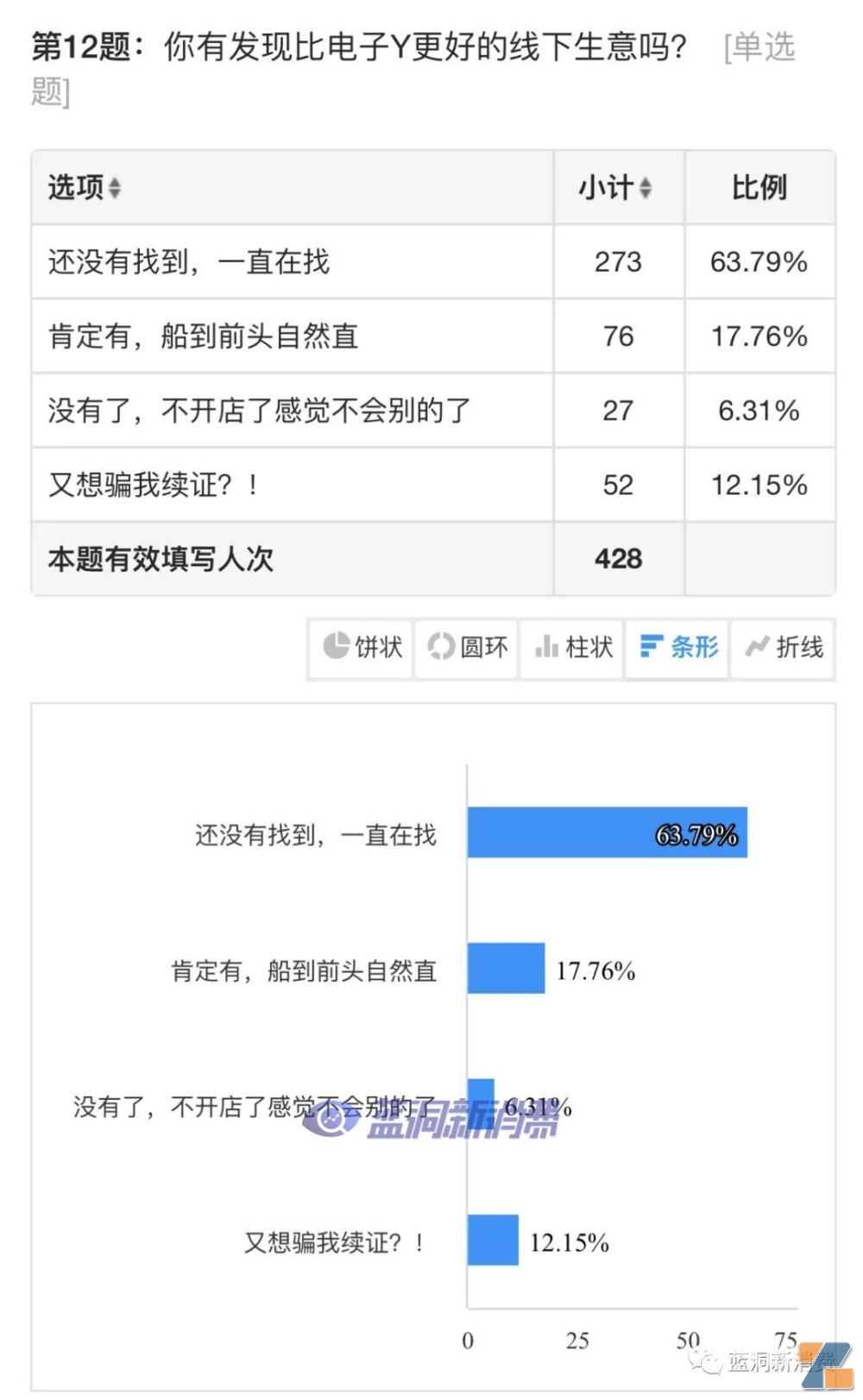 <\/section><\/section>64% of shop owners reported that they have not found a better offline business than selling e-cigarettes.<\/section><\/section>Landhole Summary: Discussing e-cigarettes during the Qingming Festival~<\/section><\/section>From the activity level of the Landhole e-cigarette community, the most active participants are undoubtedly those practitioners who have been released on bail due to the crackdown. From the initial waiting for bail to being released, and then waiting for judgment, the group chat of over 100 people generates thousands of messages daily.<\/section>The topics of discussion have shifted from initial complaints to light-hearted banter, with many female family members entering the group chat waiting for news about their husbands' bail, earning them the nickname "stone of hope for husbands."<\/section><\/section>In contrast, other communities have shown little activity, with the licensed communities in Guangdong, Zhejiang, and Jiangsu being relatively active, while communities in other regions have almost entered a dormant state.<\/section>Clearly, the unique boom in the e-cigarette industry over the past few years is no longer present; it will gradually become a business that goes unnoticed, much like the old man Wang next door who has been selling cigarettes for decades. <\/section><\/section>You are that old man Wang 20 years from now.