“As controls tighten, products keep evolving”: strict tobacco control policies and the endless emerg
As traditional cigarettes face increasingly strict regulations worldwide, electronic cigarette products are also experiencing similar treatment.
To further consolidate regulatory enforcement results, standardize the electronic cigarette market order, and continuously promote the legalization and standardization of the electronic cigarette industry, the Chinese tobacco industry is currently organizing special inspections to regulate the electronic cigarette market order. The State Tobacco Monopoly Administration issued a notice on March 1, requiring provincial tobacco monopoly administrations and inspection teams to report the special inspection results to the State Tobacco Monopoly Administration by April 30.
Strengthening regulation of electronic cigarettes is an important anti-smoking action that many countries around the world have already undertaken or are currently undertaking.
Germany's transition period for taxing electronic cigarettes ended on February 12, 2023. Shortly after the transition period ended, law enforcement agencies investigated tax issues at electronic cigarette retail stores and seized a large number of illegal electronic cigarette products and untaxed e-liquids, signaling the arrival of a strong regulatory era for electronic cigarettes in Germany.
The U.S. Food and Drug Administration (FDA) recently announced that it is developing new rules for tobacco product companies, which will apply to all FDA-regulated bulk and finished tobacco products, including electronic cigarettes, cigarettes, cigars, and chewing tobacco. The FDA stated that this will help prevent contamination of products from these tobacco manufacturers and establish standards for their manufacturing and packaging methods, allowing regulators and consumers to accurately understand the ingredients.
Australia is known for its strict anti-smoking policies, characterized by high taxes on traditional cigarettes and graphic warning labels on cigarette packages. While traditional cigarettes face restrictions, the electronic cigarette market in the country continues to grow annually, with many illegal operations. In addition to mislabeling nicotine content, there are also instances of direct sales to minors and even involvement of organized crime, prompting the Australian government to reassess its regulatory measures for electronic cigarettes. According to recent news, the federal and state governments in Australia are preparing to implement stricter regulatory rules, including new taxes, packaging requirements, border inspections, and stringent police reviews, with a complete ban on electronic cigarettes not being ruled out.

The global tobacco market is currently facing a situation where traditional cigarette products are being comprehensively suppressed, while new tobacco products represented by electronic cigarettes are also being strictly regulated.
However, at the same time, a new market is emerging.
The international nicotine pouch market is soaring, taking advantage of strict anti-smoking policies and electronic cigarette bans.
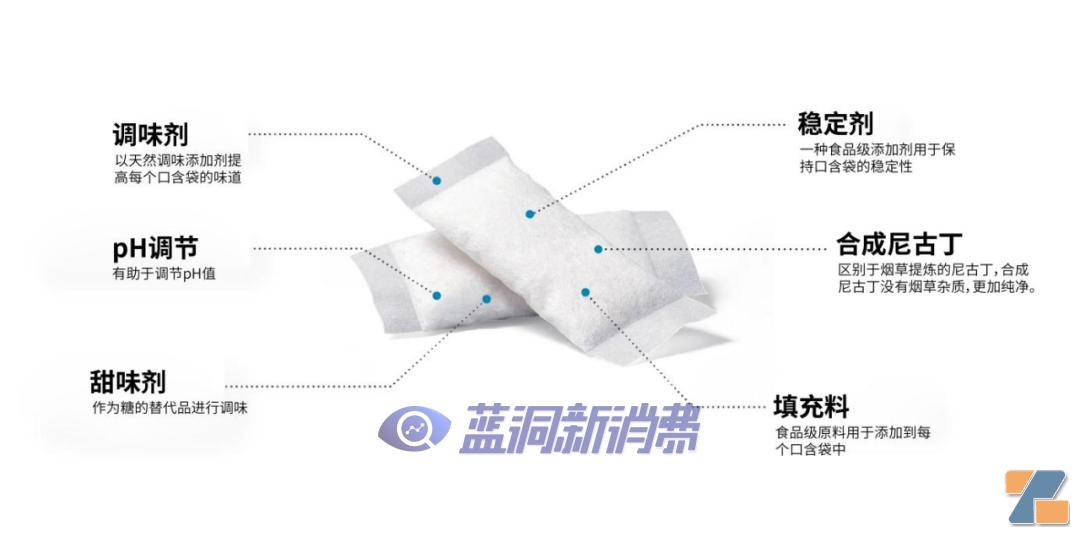
Oral nicotine pouches or lozenges are a new type of flavored nicotine product that has developed rapidly in recent years. These substances fill the space between the cheek and gums. They do not contain tobacco but do contain nicotine, flavorings, sweeteners, and plant fibers. Vendors market this product as a safer, cleaner alternative to smoking, vaping, or oral tobacco. However, in reality, even without tobacco, nicotine can have negative effects on the body. It is not safer; it is just as dangerous and addictive as other methods of intake.
However, anti-smoking policies have created a gray area where smokeless products like nicotine pouches are technically not subject to the same restrictions as other nicotine products, allowing them to be used in places where smoking or vaping is prohibited, and they can be discarded like regular trash after use. Moreover, nicotine pouches come in various flavors such as coffee, cinnamon, or citrus, making them highly attractive to consumers.
According to data from the Foundation for a Smoke-Free World (FSFW), global sales revenue from nicotine pouches was approximately $2.38 billion in 2021. Market research firm Market Reports World estimates that global sales revenue from nicotine pouches reached $5.86 billion in 2022. It is expected that from now until 2028, the nicotine pouch market will continue to expand at a compound annual growth rate of 31%.
The saying goes, "As regulations tighten, so do the methods." Anti-smoking policies are becoming stricter, and while traditional cigarettes are followed by electronic cigarettes, another tobacco alternative product is quietly gaining popularity.
Perhaps we should seriously consider the viewpoint of Derek Yach, former Deputy Director-General of the World Health Organization.

Image: Derek Yach, a global public health expert, former Deputy Director-General of the World Health Organization, and director of the Foundation for a Smoke-Free World, has been engaged in anti-smoking efforts for over 30 years.
An article published by Internet Weekly in early March reported that Derek Yach believes that WHO's anti-smoking policies are outdated and that acknowledging the harm reduction potential of electronic cigarettes is not shameful. Derek Yach, who organized the drafting of the WHO Framework Convention on Tobacco Control in 1998, now believes that many tobacco and electronic cigarette companies are actively promoting harm reduction research, while the WHO considers these companies' innovations to be untrustworthy, mere tricks and deception, and encourages governments to ban harm reduction products, which is unacceptable.
This inevitably leads us to rethink the original intention of anti-smoking efforts. Anti-smoking initiatives were launched because some components in tobacco are harmful to health, but if technological means can reduce harm to the point of being less harmful or even harmless, why should they be banned?
Technology is advancing, but concepts remain stagnant. Even when doing good, being overly extreme may not be right.
This is also why we repeatedly emphasize the importance of rational tobacco control.