Smoking Cessation Sparks Debate: How Long Without Smoking Counts as Successfully Quitting?
Adapted from the novel of the same name that won the Mao Dun Literature Prize, the TV series 'In the World' is currently airing in prime time on CCTV-1. Since its premiere, the viewership ratings have been climbing, setting a new high for CCTV-1 dramas in nearly three years.
Among them, Zhang Kairi, who plays Qu Xiuzhen, has once again used her solid acting skills to portray a cold yet warm-hearted educated female cadre, especially with her memorable quotes about women's self-acceptance, which have garnered much praise from the audience.
In the latest plot, the retired Qu Xiuzhen lives a real and interesting life, and her arguments with her husband over quitting smoking have sparked widespread discussion among viewers and netizens.

Speaking of quitting smoking, many people have something to say. Some say they just don’t want to quit; as soon as they want to quit, they can do it immediately. Others say they have not smoked for a month and consider themselves successful in quitting, but whether they will relapse in the future is uncertain. Without boasting or deceiving, how long without smoking counts as successfully quitting?
Let me share two quitting stories from netizens; perhaps you will resonate with them.
First netizen: Age 36, smoking for 17 years, at least one and a half packs a day, sometimes up to two packs, he would smoke in the bathroom, after meals, while working, drinking, and in various social situations. Due to excessive smoking, he often coughed, gagged, felt chest tightness, and even coughed up black phlegm, yet he never thought about quitting. Until one time, after coughing for too long, he couldn’t stop even with medication and was isolated by the hospital, which made him determined to quit smoking.
The quitting process was tough; there was always the urge to take a puff. Honestly, those substitutes didn’t help much, but they were better than nothing. Finally, with exercise and family encouragement, he managed to stick to it without relapsing for three months. He now feels great physically. He advises anyone planning to quit smoking to also quit betel nut, playing cards, and drinking, as it’s easy to relapse in those environments.

Second netizen: Age 42, smoking for 22 years, smoked the most while playing games overnight, he also thought about quitting due to severe coughing. His method was to drink tea, eat snacks, and see a doctor. He has now successfully quit smoking for 10 years. He said that when he managed to resist smoking for two or three months, he noticeably felt improvements in taste and smell, and his lungs felt much lighter, which made him confident that he would succeed.
After reading the above two cases, you might wonder whether three months without smoking counts as success or if ten years does. If ten years is the goal, many people might not be able to stick to it.
In fact, you can assess your state through three stages:
Stage ①: Obsessive Thoughts (within 1 month of quitting)
The urge to smoke is very strong; your mouth, body, and even hair feel uncomfortable. You can’t control your emotions and just want to smoke to satisfy the craving, indicating that you haven’t succeeded yet and need to keep trying.
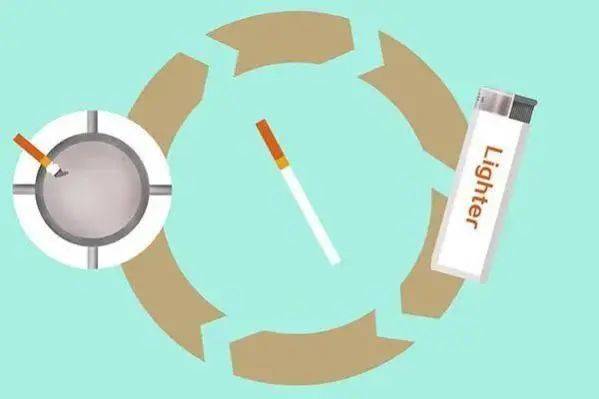 #p#分页标题#e#
Stage ②: Unable to Control (1-3 months after quitting)
The physical dependence is minimal, but the psychological craving remains. You might feel the urge to smoke when you see others smoking, and if you encounter overly enthusiastic people, you might relapse. This stage requires very strong willpower; otherwise, it’s easy to fail.
Stage ③: Calm Mind (more than 1 year after quitting)
You have no thoughts of smoking; all physical discomfort has disappeared, and you feel like someone who has never smoked. You have also developed new, healthy hobbies, making life happier.
If you have passed through all three stages, give yourself a big round of applause; congratulations, you have succeeded!
At this point, you may also notice physical changes, such as improved sleep, no longer feeling restless at night, falling asleep quickly, and no longer having yellow or black phlegm. Your voice becomes clearer. With less smoke exposure, your teeth are not as yellow, and after long-term care, bad breath and yellowed teeth have disappeared.
Some may say they have a strong addiction and find it too difficult to quit. Here’s a small suggestion that might increase your success rate: gradually delay the time you smoke.
For example, if you usually smoke right after waking up, start by changing it to after breakfast. After a week of this, push it back to after lunch or after work. As your daily smoking amount decreases, the nicotine intake gradually reduces, which may improve your chances of quitting successfully.
Additionally, don’t worry about getting sick after quitting; withdrawal symptoms generally do not last more than three weeks. Also, don’t believe in any tea cigarettes or e-cigarettes; "smoke" cannot help you quit; it will only increase your cravings, so stay away from them!