Vaping Industry Basics: China's Licensed Monopoly Era Is Approaching
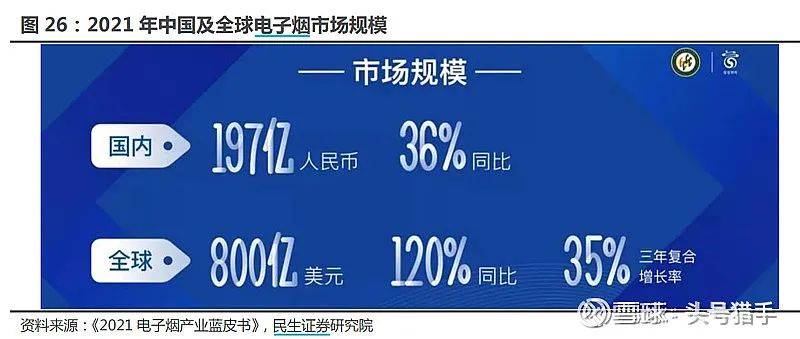
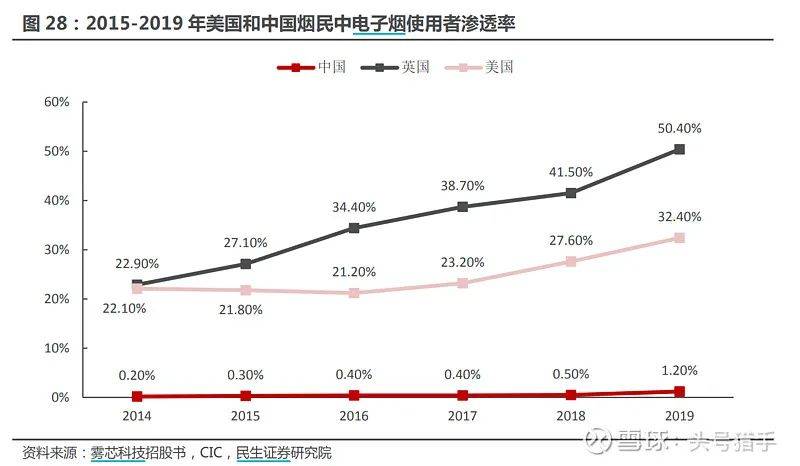
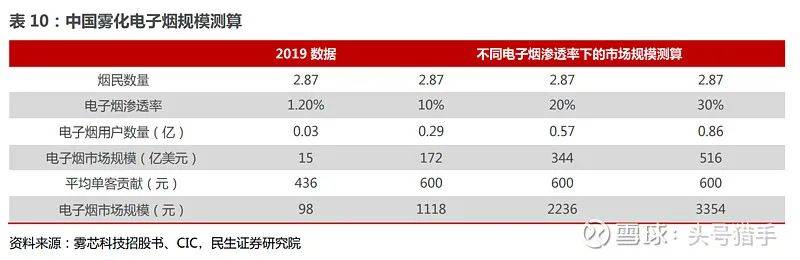
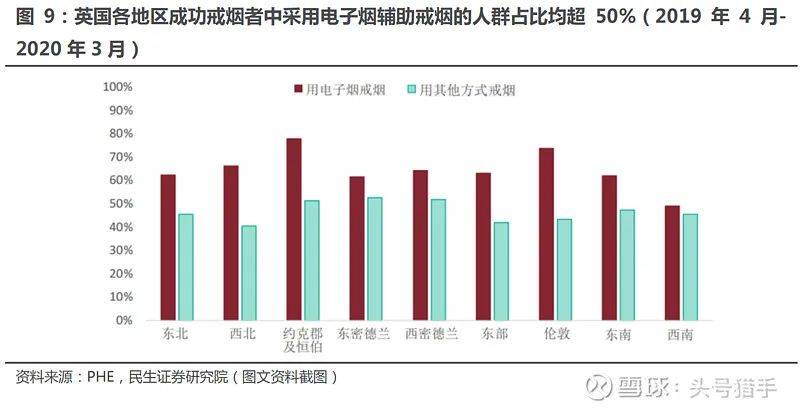
1,China's e-cigarette market size of 19.7 billion rmb< Penetration rate of 1.25%, far lower than the United Kingdom 50% and the United States 32% penetration level, the future market exists more than ten times the The future market has more than ten times the growth space.
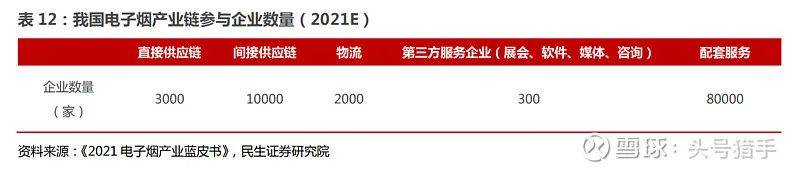
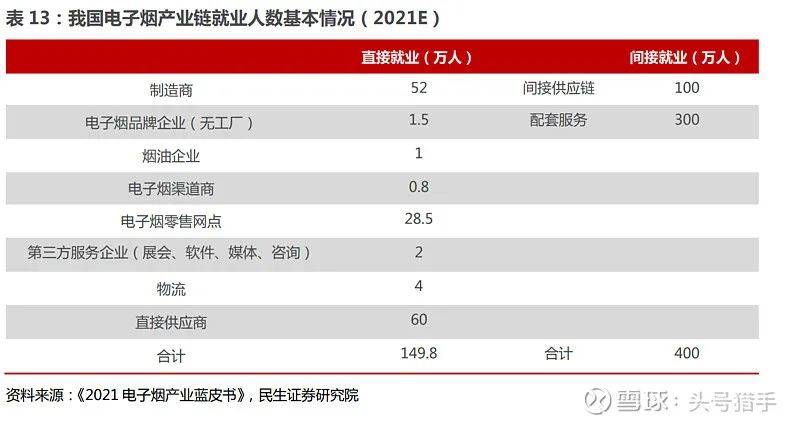
2,China has formed a strong e-cigarette industry chain cluster< strong>,exports totaled 138.3 billion yuanexport underline;">,The industry chain involves nearly 100,000 enterprises,involving 5.5 million people in employment. Exports are seven times the size of domestic e-cigarettes, which is an advantageous industry for China, so the future policy trend is likely to regulate domestic and encourage going overseas.
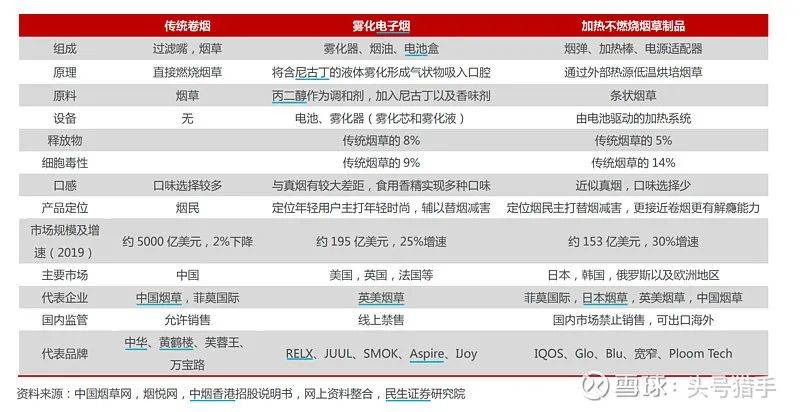
3,E-cigarettes are a strongly regulated industry, regulatory rules vary from country to country:
All countries in the world have different attitudes towards the regulation of e-cigarettes, but they all take the protection of public health as their fundamental position. The fundamental reason for the difference in attitudes towards e-cigarettes between countries lies in the differences in the authorities' views on the topic of whether e-cigarettes can help to quit smoking.
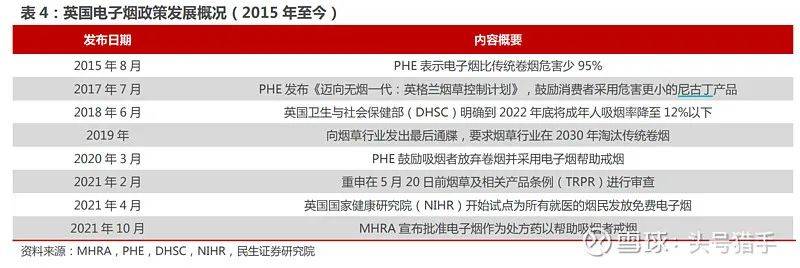
The UK and New Zealand, which have the most positive attitudes towards e-cigarettes, are promoting e-cigarettes as an important means of realizing the goal of building a smoke-free country, and by guiding smokers to switch to e-cigarettes in order to further reduce the overall rate of smoking in the country, and the UK has even gone so far as to allow e-cigarettes to be included in the healthcare delivery system as a compliant e-cigarette product. healthcare system(NHS). decoration: underline;">);The United States began authorizing the legal sale of compliant e-cigarette products, issuing sales permits for e-cigarette products that can be shown to be beneficial to public health; and since 2019, the FDA and U.S. states have begun banning flavored e-cigarettes without restricting tobacco-flavored e-cigarettes.
Countries that once banned the sale of e-cigarettes, such as South Korea, Israel, and Malaysia, are gradually loosening regulations by collecting taxes.
But regardless of the attitude of governments towards e-cigarettes, policies emphasize "protecting public health", "reducing exposure to minors", "e-cigarettes are not harmless", and "discouraging non-smokers from using them". "discourage non-smokers from accessing e-cigarettes".
 #p#Page Break #e#
The North American atomized e-cigarette market, dominated by the U.S., has not adjusted dramatically in the face of extremely stringent flavor regulation policies in 2020.
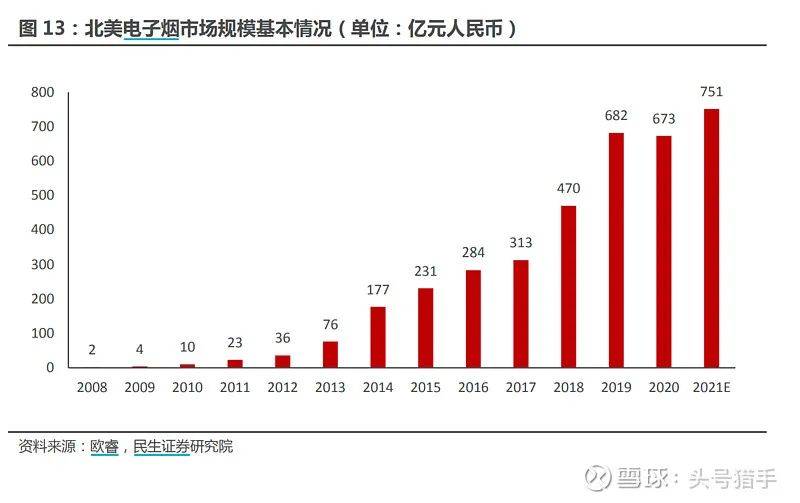
4. China's policy is gradually clarifying,License monopoly era is coming, reference to Japan and South Korea, the future of China's new tobacco tax rate or a lower tax rate to cut, and gradually raise close to the level of traditional cigarette tax rate.
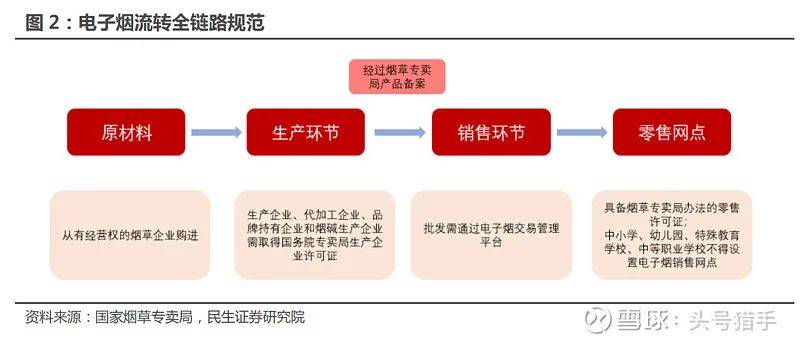
November 30, 2021, the State Tobacco Monopoly Administration released the "e-cigarette" national standards (draft), the standard for e-cigarettes to make a variety of guidance: for example, the concentration of nicotine is not higher than 20mg / g, the total amount of nicotine should not be higher than 200mg; nicotine sources using tobacco extracted from saline purity is not less than 99%; the fogging material additives in the temporary licensing of the use of substances is limited to 122, do not allow the use of substances that have induced the use of tobacco. 122 substances in the aerosol additives, and the use of induced characteristic flavors is not allowed, etc. On December 2, the State Tobacco Monopoly Administration (STAA) drafted the Measures for the Administration of Electronic Cigarettes (Draft for Public Opinion). The document clearly points out that atomized e-cigarettes will be regulated in line with cigarettes, production, circulation and sales are required to permit, approval, retail terminal opening conditions and traditional tobacco stores to maintain consistency.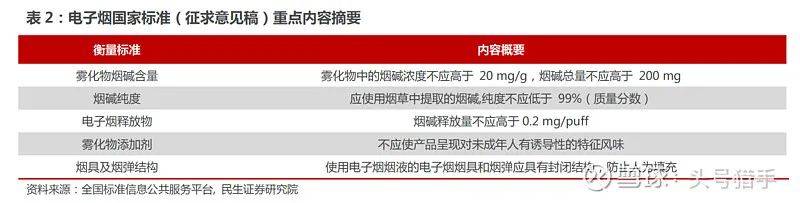
5,Heating non-combustible HNB has its uniqueness,Harm Reduction+Traditional Tobacco's Flavor, and HNB is the main HNB in Japan, accounting for more than 56%; domestic HNB has not been liberalized, but China Tobacco has product experience and exports.