
Boulder launches the 2.5ml disposable New Bling
As large amounts of capital continue to pour in, competition in China’s domestic e-cigarette market is becoming increasingly intense. On July 4, well-known e-cigarette brand Boulder announced in Beijing the launch of an upgraded version of its ready-to-use vaping device (disposable mini vape), the Bling, drawing strong market attention.
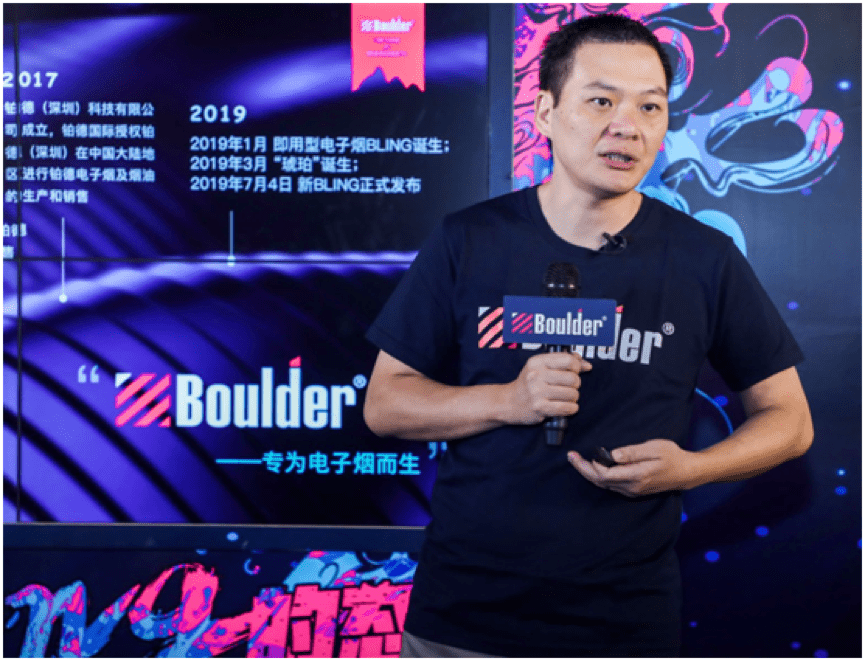
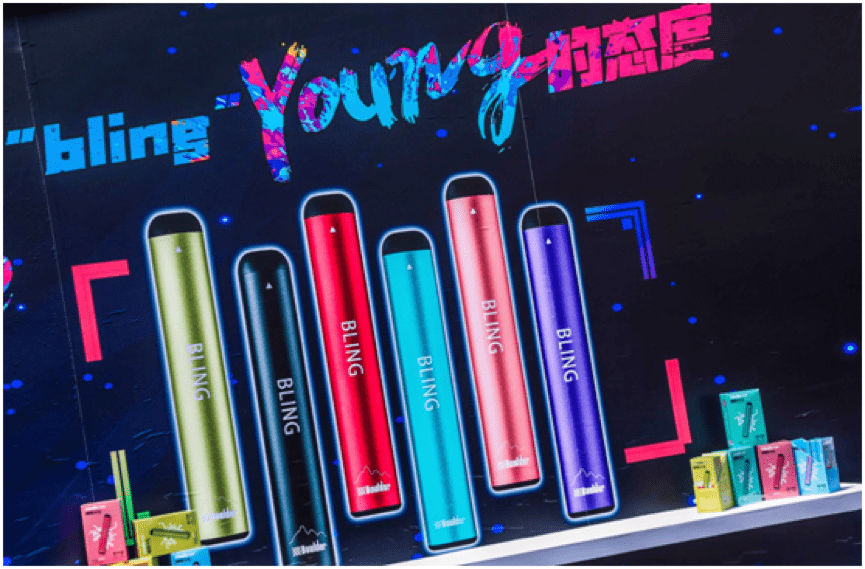
According to official information from Boulder, the new Bling ready-to-use vaping device comes with a 330mAh battery and 2.5ml e-liquid capacity. Compared with the 1.0ml to 1.5ml capacity commonly seen in similar products currently on the market, the new Bling offers at least 67% more e-liquid. Industry insiders said Boulder’s 2.5ml product exceeded expectations and is likely the world’s first ready-to-use product to reach 2.5ml. “A 2.5ml e-liquid capacity is not achieved simply by making the device larger. It requires overcoming several technical bottlenecks, with leakage prevention being the first major challenge.”
At the launch event, Boulder Chairman and CEO Wang Zeqi said the company made extensive preparations to launch this product, from the e-liquid chamber and atomizer to coordination with the battery cell. “The new Bling is slightly larger and heavier than the previous version, but the consumer experience and value have improved significantly.”
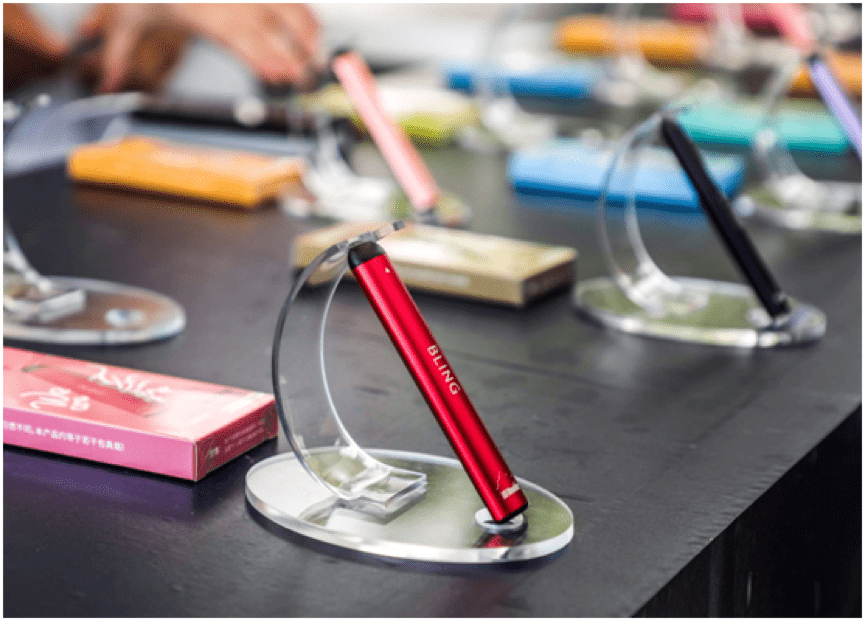
Based on the products displayed and tested at the event, Boulder’s new Bling comes in six flavors: Rich Cured Tobacco, Passion Energy, Mango Ice, Tainan Pineapple, Mint Tobacco, and Blueberry Capsule. The seven Boulder users who participated in the on-site trial all agreed that the new Bling series offers a better experience than the previous model and better overall value.
Since the beginning of this year, all kinds of e-cigarette products have been launched one after another. In particular, ready-to-use products aimed at capturing offline convenience store channels have sprung up rapidly. However, previous competition mainly focused on appearance and marketing, with very few breakthroughs in product technology itself.
“The emergence of 2.5ml products may trigger a new round of technological competition in the industry,” said one e-cigarette industry practitioner, who believes that e-cigarettes are ultimately real consumer goods, and most consumers will only pay for the product and user experience in the end.
Boulder partner and CMO Fang Hui believes that because China’s “national standard for e-cigarettes” imposes mandatory requirements on both hardware and e-liquid, the future of the e-cigarette industry will shift toward product-based competition.
It is understood that the United States is currently the largest e-cigarette market. According to research organizations, the penetration rate of e-cigarettes among traditional tobacco consumers in the U.S. has already exceeded 10%. China, by contrast, has 350 million smokers, but e-cigarette penetration remains below 1%. Faced with this enormous market potential, capital has moved quickly. According to incomplete statistics, more than a dozen domestic e-cigarette companies have already received funding, with total financing reaching several hundred million yuan, including investments from top-tier institutions such as ZhenFund, GSR Ventures, Source Code Capital, and IDG Capital.
Wang Zeqi believes China’s penetration rate may find it difficult to reach the same level as the U.S. “In the future, e-cigarette penetration may reach around 10%, but it will be very difficult for e-cigarettes to completely replace traditional cigarettes.”


