
Does Vaping Cause Cancer? The Relationship Between Vaping and Cancer
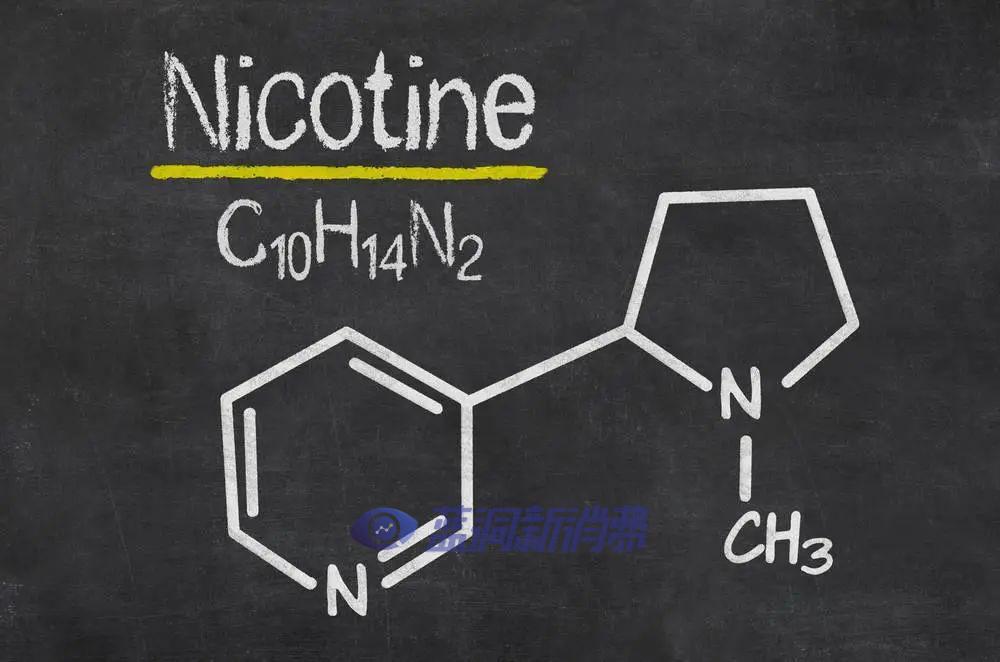
For many people, the only harmful component of tobacco they really know about is nicotine. In fact, the real health killers in tobacco are tar and many other toxic and harmful chemicals. Although nicotine is addictive, it is also found in everyday life—for example, vegetables such as tomatoes and eggplants contain nicotine too, but that does not mean tomatoes and eggplants are toxic. As the saying goes, “talking about toxicity without considering dosage is meaningless.” Researchers have carried out countless studies on the harms of both tobacco and e-cigarettes, and nicotine has naturally been one of the main subjects of these experiments.

Is nicotine exposure linked to breast cancer metastasis?
As is well known, smoking may cause cancer, but much less is known about the relationship between nicotine intake and cancer. There is currently a study specifically examining the role of nicotine in breast-to-lung metastasis.
Smoking is associated with a higher incidence of breast cancer spread or metastasis, and once diagnosed, survival rates drop by 33%. However, little is known about nicotine’s role in this process.
A study titled “Nicotine promotes breast cancer metastasis by stimulating N2 neutrophils and generating a pre-metastatic niche in the lung,” published online in Nature Communications on January 20, found that nicotine may promote the spread of breast cancer cells to the lungs.
The study’s lead author, Kounosuke Watabe, Ph.D., said: “Our data show that exposure to nicotine creates an environment in the lungs that is conducive to metastatic growth.” He is a professor of cancer biology at Wake Forest School of Medicine and also part of Wake Forest Baptist Health.
According to Professor Kefah Mokbel, the levels of heavy metals and estrogen-like compounds in e-cigarette vapor are high enough to cause cancer (though actual testing has shown this is not the case). He has written to the government calling for educational programs to warn young people about this alleged danger.
A total of 1,077 breast cancer patients took part in the study. The research team found that compared with people who had never smoked, both current and former smokers had a higher incidence of lung metastasis. Researchers then used a mouse model of breast cancer metastasis and found that continued exposure to nicotine created an inflammatory microenvironment in the lungs.
The researchers found that even 30 days after quitting smoking, the incidence of metastasis did not decline, suggesting that even former smokers who quit may still face a risk related to breast cancer. Based on these findings, breast cancer patients should choose nicotine-free alternatives when quitting smoking. In addition, the results suggest that salidroside may be a promising therapeutic agent that could help prevent smoking-related lung metastasis in breast cancer, although more research is still needed to support this theory.”
However!
Professor Mokbel later acknowledged that there is no evidence linking e-cigarettes to breast cancer or any other type of cancer.
So, the current conclusion remains that there is no clear evidence showing that e-cigarettes are linked to cancer, while some studies indicate that the cancer risk from e-cigarettes is significantly lower than that from smoking.
One study titled “Comparing the cancer potency of emissions from vaporised nicotine products including e-cigarettes with tobacco smoke” was conducted by Dr. William E. Stephens of the University of St Andrews in the UK. The study compared the risk of inhaling vapor with the risk of inhaling smoke.
The researchers modeled the carcinogenic risk of several nicotine-containing aerosols using published chemical analyses of vapor emissions and their associated risks, and then compared them with the risks of cigarette smoke.
“These suspended particles form a spectrum of cancer potency spanning five orders of magnitude, from unpolluted air to tobacco smoke. The emissions from e-cigarettes for the majority of products have a potency of less than 1% of tobacco smoke and are within two orders of magnitude of a medicinal nicotine inhaler,”
Whether in most past experiments or in the current study “Comparing the cancer potency of emissions from vaporised nicotine products including e-cigarettes with tobacco smoke,” the reported findings all confirm that the carcinogenic effect of e-cigarettes is far lower than the harm caused by tobacco. The level of harm from e-cigarettes is less than 1% of that of tobacco, and the cancer risk for people using e-cigarettes is clearly lower than for smokers.


