
Simple ways to cool down an MTL vape atomizer
Although MTL (mouth-to-lung) atomizers do not generate as much heat as sub-ohm atomizers, users of MTL atomizers often have a habit of frequent draws, which can also cause the atomizer to heat up quickly. The cooling methods for MTL atomizers differ slightly from those for sub-ohm atomizers, and the effects are often more pronounced.
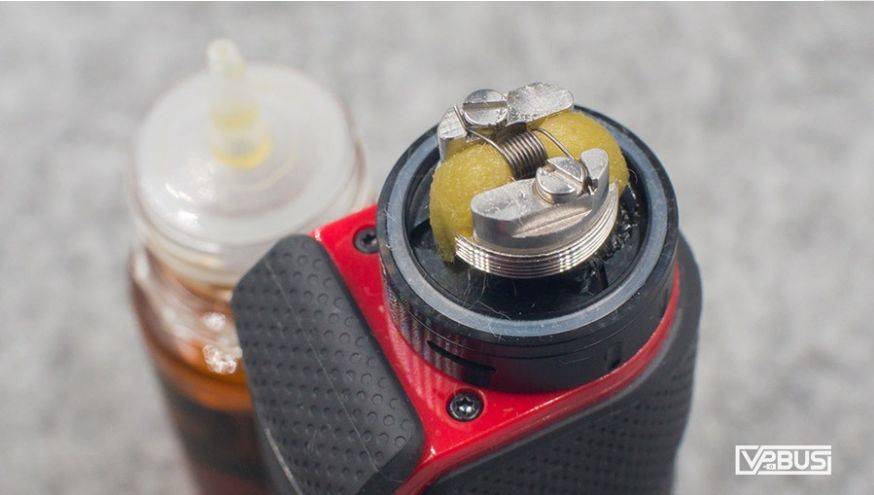
Raising the coil height can increase airflow and improve cooling efficiency
If the coil is too low and obstructed by the wicking material, it will directly affect the airflow inside the atomizer. Properly raising the coil height and arranging the wicking material can increase the airflow inside the atomizer, achieving better vaporization. When the coil and cotton do not obstruct airflow, even with a small airflow, there will be no feeling of tightness, and importantly, smooth airflow can help the coil cool down more quickly.
Loose coils can prevent rapid heat accumulation
It is well known that tightly wound coils concentrate heat mainly in the middle section, and continuous draws can lead to rapid heat accumulation, potentially even burning the cotton. Loose coils can effectively disperse the heat more evenly across the cotton, reducing heat buildup. Compared to sub-ohm atomizers, MTL atomizers are better suited for loose coils.
Do not prioritize tighter draw resistance at the expense of cooling efficiency
Many MTL enthusiasts are very particular about the draw resistance of their atomizers, pursuing a tight draw similar to that of traditional cigarettes. Currently, many MTL atomizers have incorporated adjustable internal airflow components, enhancing the ability to adjust draw resistance. However, prioritizing tight draw resistance can hinder the coil's cooling needs, leading to overheating issues. Therefore, it is recommended that users match the coil's heating capacity with airflow reasonably, rather than solely pursuing tighter draw resistance.
Smartly utilize the device's output curve or temperature control function
The temperature control feature, which was forgotten during the sub-ohm era, has regained attention with the resurgence of MTL atomizers. Using temperature control can ensure that the coil's heat remains at a lower level, and there will be a noticeable difference in flavor experience. Additionally, the device's output curve is another feature that can be utilized; there is no need for the high-power preheat of sub-ohm atomizers, as incremental or wave output can prevent excessive heat generation in the coil.
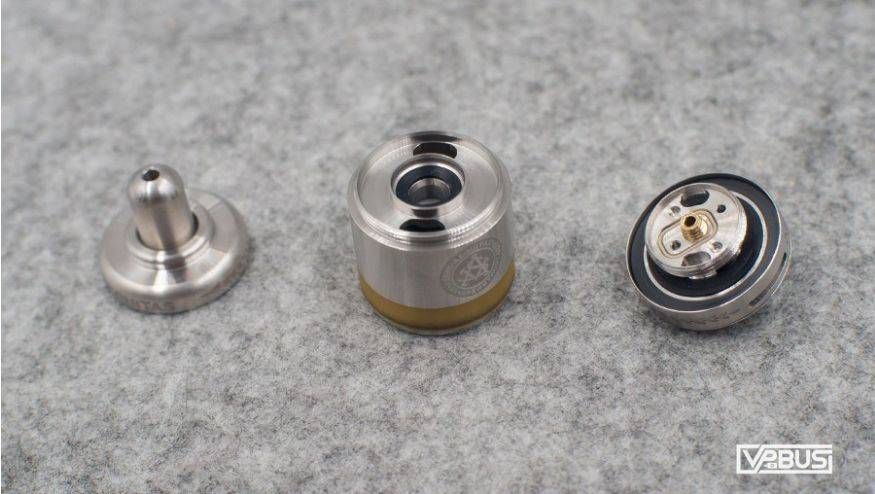
Replacing atomizer components can block heat transfer
The heat generated by the coil is transmitted through the atomization chamber to various parts of the atomizer. Metal drip tips can easily become hot during use, while non-metal materials can effectively block heat. Many MTL atomizers now even have non-metal components for the inner and outer chambers; replacing these heat-conductive components can effectively block and reduce the atomizer's heat.
Since MTL atomizers have a much smaller inner chamber compared to sub-ohm atomizers, even if there are specialized MTL coils available, they should be chosen based on the actual situation of the atomizer. If the coil generates too much heat and the atomizer structure cannot meet its cooling needs, no method will prevent overheating. A reasonable match of coil, airflow, and output data can ensure that users do not encounter overheating issues even with continuous draws.


