
Shenzhen’s new tobacco control rules: up to 500 yuan fine for e-cigarette use at outdoor bus platfor
The newly revised "Shenzhen Special Economic Zone Smoking Control Regulations" (hereinafter referred to as the "Smoking Control Regulations") will officially take effect on October 1.
On September 30, the Shenzhen Tobacco Control Office notified The Paper that the new version of the "Smoking Control Regulations" is the first to include e-cigarettes in tobacco control. Tobacco control will also be enforced at bus stations, tourist attractions, and other locations, with violators facing fines of up to 500 yuan.
Previously, there was controversy over whether e-cigarettes fell under the scope of smoking control during actual law enforcement. The new version of the "Shenzhen Smoking Control Regulations" includes e-cigarettes within the scope of smoking control.
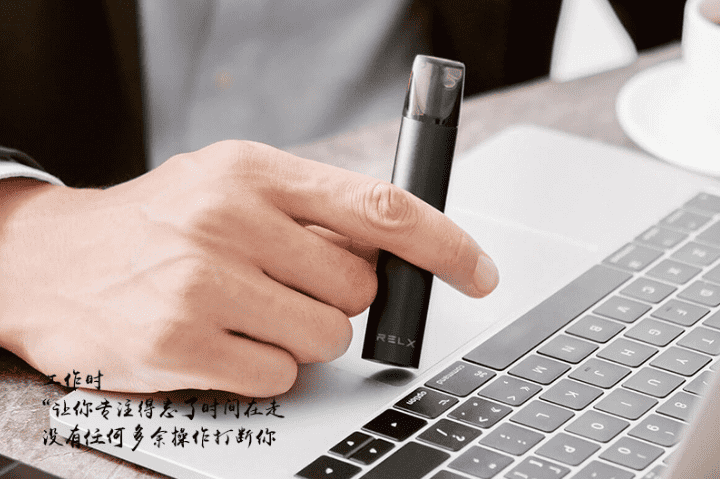
The new "Smoking Control Regulations" clearly state that tobacco products are products made wholly or partly from tobacco, and tobacco is the raw material for smoking, sucking, chewing, or snuffing, including electronic cigarettes. Smoking refers to the use of electronic cigarettes and other ignited or heated but unburned tobacco products.
According to a report from Chengdu Commercial Daily on September 24, there are currently 189 countries and regions worldwide that have implemented e-cigarette control measures, with countries like Japan, Canada, Singapore, New Zealand, and Thailand fully or partially prohibiting the use of e-cigarettes.
In addition to including "e-cigarettes" in the "tobacco control" scope, the new version of the "Smoking Control Regulations" also expands the no-smoking areas.
In outdoor smoke-free areas, the new "Smoking Control Regulations" will increase the number of smoke-free areas from seven to nine categories. Among them, public transport stations located within five meters of the entrances and exits of pedestrian buildings and outdoor platforms of public transport will be included in the "no smoking zone," which means that outdoor platforms and waiting areas for buses, coaches, taxis, subways, ships, and public transport (such as civilian aircraft) will be completely prohibited.
Additionally, schools, parks, medical institutions, tourist attractions, sports venues, and other places outside the entrances and exits of pedestrian waiting areas and outdoor ticket purchasing areas are also included in the "no smoking zone."
Previously, the Shenzhen Smoking Control Regulations did not cover outdoor platforms and queues for public transport. This area was a blank zone. However, the traffic is very crowded, covering all age groups, especially minors, pregnant women, and the elderly, who generally wait for long periods and need better smoke-free public health. “Shenzhen’s smoke-free city project officer Xiong Jingfan said that there have been many complaints about secondhand smoke exposure in recent years, requesting its inclusion in the smoking ban.
At the same time, to protect minors from tobacco products, the new version of the Smoking Control Regulations also requires that “primary and secondary schools and youth palaces must not sell tobacco products within 50 meters of their entrances and exits.”
“Tobacco control law enforcement” has always been a major issue affecting the effectiveness of law enforcement, and the new version of the Smoking Control Regulations lowers the threshold for personal smoking fines.
According to Article 36 of the original Smoking Control Regulations, “Violations of these regulations, if smoking in a prohibited area and not persuading the operator or manager, the competent health department shall order correction and impose a fine of fifty yuan, which shall be collected on the spot; if refusing to correct, a fine of two hundred yuan shall be imposed; if obstructing law enforcement, a fine of five hundred yuan shall be imposed.”
This means that during law enforcement, even if law enforcement personnel discover smoking, some smokers evade punishment by claiming that the operator was “not persistent.”
To address this, the new version of the Smoking Control Regulations removes the requirement for “advice from operators and managers” as a necessary condition for illegal punishment. As long as smoking is prohibited in smoke-free areas, law enforcement personnel can impose a fine of fifty yuan and collect it on the spot; a fine of two hundred yuan; and for obstructing law enforcement, a fine of five hundred yuan.


