
MOTI Vape’s Strong Core Competitiveness: Where to Buy MOTI at a Better Price
In 2021, MOTI, following closely behind RELX, further increased subsidies for opening physical retail stores, setting aside RMB 1 billion in support to establish 10,000 new stores. Other brands with different talent and channel strategies have also successively introduced new store-opening incentives, preparing to fully expand their offline presence.
From the perspective of retail terminals, aside from the number of stores, store revenue and brand image are crucial factors. Industry insiders revealed that brand image and the business district in which a store is located largely determine its retail performance. Under the current situation, where major brands are rapidly expanding their retail networks, the standards for store image and location selection have also been lowered accordingly. Many brands have introduced community stores that merchants can decorate themselves. Due to low rent thresholds, lower renovation standards, and store owners also serving as sales staff, such stores can still remain profitable and operate long term even if turnover is not especially high.
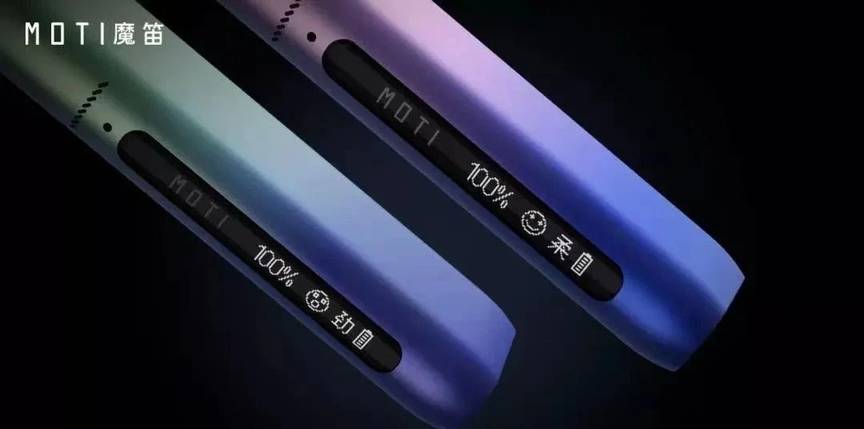
The advantage of this business model is that the number of retail terminals grows rapidly, allowing brands to influence consumers more quickly. The disadvantage, however, is that brand image becomes diluted. Although it may help occupy consumers’ mindshare, it does not truly establish a strong major-brand image. So how can a company maintain brand image while also expanding quickly? After closely studying various brands, we found that MOTI, on the one hand, emphasizes high-quality retail terminals, claiming that its stores have already entered more than 90% of S-grade business districts; on the other hand, it has also posted impressive store-count figures, publicly stating that it had opened 2,841 stores in 2020.
Industry insiders also noted that, at present, very few leading domestic brands are capable of breakthroughs in core technology and continuous product upgrades. Most product lines remain overly limited, mainly concentrated in refillable pod-based vaping devices. Most changes are confined to device color or exterior appearance, making genuine innovation difficult. Therefore, product-driven growth supported by a strong product matrix will become the key competitive stronghold for the next market winner, as well as its greatest advantage for breaking through. Looking at the retail-channel strategies of different brands, we found that leading brands have taken different paths in product definition and extension. RELX has adopted a model of deep co-development with top distributors across multiple product lines. The RELX 1st generation and 4th generation, for example, use different pod structures.
Thanks to RELX’s strengths in market promotion and retail terminals, these two products have remained among the best-selling products in the market. MOTI, by contrast, has adopted a strategy of continuously introducing the latest industry technologies and upgrading both devices and pods. Its hit products launched in 2020, MOTI S Lite and MOTI C, were manufactured by the brand’s wholly owned factory and directly incorporated the MCU variable-frequency chip developed by the brand that year, as well as its patented surge mode. Through curve-based heating and temperature control, they improved the flavor experience.
According to the brand’s public statements, these two MOTI products, positioned as pursuing the “ultimate experience,” quickly received high praise from authoritative review media, industry KOLs, and end consumers thanks to the introduction of the latest technology at the time. From 2018 to 2021, while pod-based e-cigarettes did not undergo any major technological transformation, both brands achieved substantial growth in their own ways. But a technological transformation in vaping devices may be approaching. Brands that remain sensitive to emerging technologies and can quickly apply them through their supply chains are likely to achieve even stronger growth.


