
Online sales ban accelerates reshuffle in Shenzhen, the city that produces 90% of the world’s vaping
As November arrives, the e-cigarette industry faces a "quake." On November 1, two departments issued a notice banning the online sale of e-cigarettes, urging e-commerce platforms to promptly close stores and remove products. The regulatory floodgates for e-cigarettes have officially closed.
Shenzhen, as the production base for e-cigarettes, accounting for 90% of global output, will be affected by this ban. According to interviews, some brands have reduced production by as much as 80%. However, the main market for Shenzhen's e-cigarette industry remains overseas, so the online sales ban has little impact on exports.
Industry insiders believe this event is still considered a "minor incident" in the industry, a necessary growing pain in the development process, accelerating the industry's reshuffling. The stricter the regulation, the more standardized the market becomes, which is better for outstanding brands.
On the afternoon of November 1, the National Tobacco Monopoly Bureau and the State Administration for Market Regulation issued a notice on further protecting minors from the harm of e-cigarettes.
The notice states that from the date of issuance, e-cigarette production and sales enterprises or individuals are urged to promptly close e-cigarette internet sales websites or clients; e-commerce platforms are urged to promptly close e-cigarette stores and remove e-cigarette products; and e-cigarette production and sales enterprises or individuals are urged to withdraw e-cigarette advertisements published on the internet.
After the notice was released, several e-cigarette brands responded by complying with the regulations. The regulatory floodgates for e-cigarettes have officially closed.
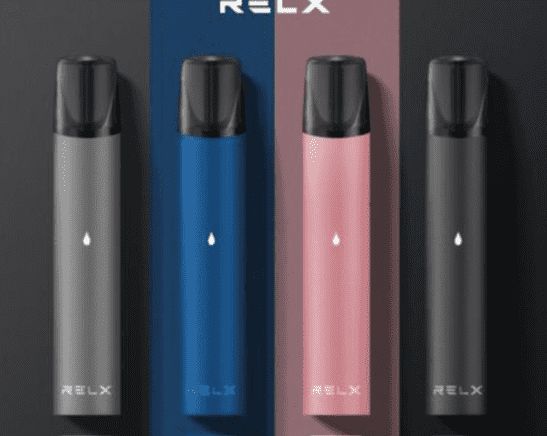
In 2019, some in the industry referred to it as the "year of e-cigarettes" due to a massive influx of capital into the sector. Figures like Luo Yonghao, Tongdao Dashi, and Zhu Xiaomu from Smartisan Technology entered the market one after another, and e-cigarette brands sprang up like mushrooms after rain, with over a thousand new e-cigarette brands registered in just the first half of the year, leading to what was called the "Battle of a Thousand Cigarettes." E-cigarettes became the first entrepreneurial hotspot in China. In the first half of 2019, investments in the e-cigarette industry exceeded 35 deals, with total investments of at least over 1 billion yuan. On September 18, the MOTI e-cigarette, which completed a $50 million Series A financing, became the largest known financing deal.
However, in a state of "no product standards, no quality supervision, and no safety evaluation," e-cigarette manufacturers, internet celebrities, and well-known capital flooded in, resulting in a chaotic e-cigarette market; under the trend of a global e-cigarette cleanup, international e-cigarette giants also began to turn their attention to the "unregulated" Chinese market. Thus, strengthening regulation became an urgent need for the industry. Now it seems that "minors" as the biggest consensus for market regulation, which was once the first entry point for e-cigarette regulation, has now become a nuclear bomb that triggers a shock throughout the industry.
As the birthplace of the first e-cigarette, 90% of the world's e-cigarette devices are manufactured in China. To be precise, they are made in Shenzhen. According to a report released by a Tsinghua University research group on August 29 this year, titled "Public Health and Technology Regulation Research Report on the Regulatory Status of the E-cigarette Industry (2019)," there are nearly a thousand e-cigarette and accessory manufacturers in Shenzhen alone, accounting for 90% of global output.
Shenzhen is the production base for e-cigarettes, with factories mainly concentrated in the Bao'an District, specifically in the streets of Shajing and Songgang. The top five brands in the APV vaping category in the U.S. e-cigarette market all originate from Bao'an, Shenzhen.
These e-cigarette factories are scattered across various buildings in Bao'an, Shenzhen, with no concentrated e-cigarette industrial park. Most small and medium-sized factories rent one or two floors in industrial parks; leading factories usually have several factories distributed across different parks. The company MIKWEI, with annual revenue exceeding 1.5 billion yuan, is a standout among Shenzhen's e-cigarette OEM factories, with three factories in Bao'an, the largest of which covers an area of no more than 2 hectares, equivalent to 2.7 standard football fields.
This ban on sales is undoubtedly an "earthquake" for Shenzhen's e-cigarette companies. Industry insiders told reporters that for brands that follow the internet brand route and rely heavily on online sales, the impact is almost catastrophic, with some brands reducing production by as much as 80%.
Insiders indicated that some brands are still conducting online Double Eleven promotional sales despite the ban, as they had previously invested heavily in promotional activities, and a sudden halt would result in significant losses.
According to industry insiders, the main market for Shenzhen's e-cigarette industry remains overseas, and this notice mainly affects a few online brands, with little impact on exports.
Following the announcement of the online sales ban, multiple e-cigarette brands responded by complying with the regulations. What will the future of e-cigarettes be? What will become the core competitiveness of Shenzhen, this e-cigarette production base?
The reporter promptly contacted Wang Chunrong, who has ten years of experience in the e-cigarette industry and is also the founder of the e-cigarette brand Youfan. He believes this is a good thing that will accelerate the industry's reshuffling process; the stricter the regulation, the more standardized the market becomes, which is better for outstanding brands.
Wang Chunrong told reporters, "We responded immediately to the two notices and stopped online sales because our products have considered issues such as protecting minors since the R&D stage. This notice does not significantly impact us; instead, it further strengthens our self-requirements and enhances our sense of corporate social responsibility."
Wang Chunrong stated that this sales ban will lead many brands, especially online brands, to adjust their future strategies, particularly in channel layout, and they will no longer rely heavily on a single channel. In the long run, this event is still considered a "minor incident" in the industry, a necessary growing pain in the development process, accelerating the industry's reshuffling.
He said, "Regulation will definitely become increasingly strict; many brands will inevitably die out, especially those that aim to speculate and make a quick profit in the e-cigarette market will perish faster, accelerating the survival of the fittest in the industry. This is a good thing; the stricter the regulation, the more standardized the market becomes, which is friendlier to outstanding brands. The core to surviving is not burning money to seize territory or temporarily gaining sales profits, but the pursuit of product and technology, the commitment to user value, and the layout from a global perspective, balancing economic and social interests."


