
Basic vape knowledge, maintenance tips, and simple troubleshooting
A simple share of some basic vape knowledge, maintenance methods, and solutions to common minor issues.
1. Feeling dizzy or nauseous when using an e-cigarette.
This is caused by inhaling too hard and taking in too much nicotine into the bloodstream. Rest for a while and you should recover.
2. Dry mouth while using an e-cigarette.
The main ingredient in e-liquid is VG, or vegetable glycerin. VG is hygroscopic, so simply drink more water.
3. How to store pods and devices when not in use.
For pod systems, the pods should be kept in a cool, dry place out of reach of children and pets. The device should also not be charged in high-temperature environments that could make the body feel uncomfortable.
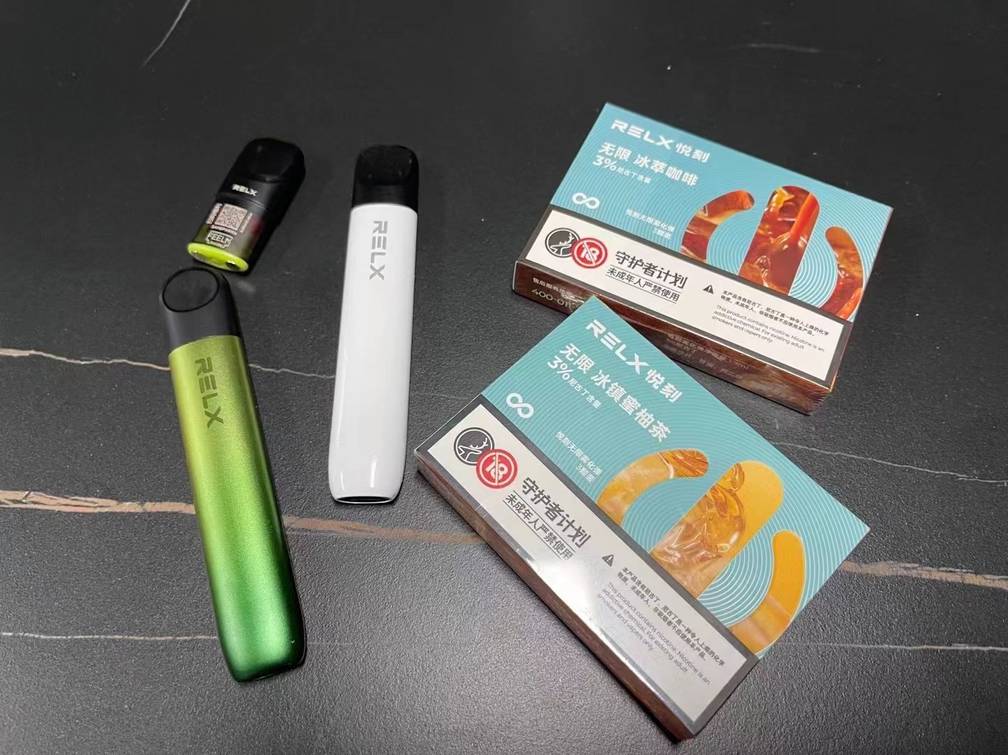
4. Precautions during pod use.
In summer, when the weather is hot and temperatures inside a car become too high, leaving pods in the car for a long time or exposing them to direct sunlight may cause seepage or leakage due to high-temperature evaporation.
5. About seepage or leakage in some pods caused by transportation.
Long-distance transportation in hot weather may also cause seepage or leakage. First wipe the outside of the pod clean with a tissue, then shake it a few times with the mouthpiece facing downward, and wipe the mouthpiece again with a tissue. That should basically solve the problem.
6. Routine e-cigarette maintenance.
Make a habit of removing the pod you are using every day and wiping the bottom. Insert a tissue into the inner chamber of the device to absorb any accumulated condensation or leaked e-liquid from the pod.
7. How to deal with condensation.
If you hear a gurgling sound during use or feel liquid getting into your mouth, these are basically signs that the pod needs its condensation cleaned out. Just shake the pod with the mouthpiece facing downward and wipe it clean.
8. When traveling by airplane or other transport.
Keep the pod and device separate in your pocket. Especially when flying, be sure to remove the pod and wrap it up, as changes in air pressure may cause leakage.


