
Everything You Want to Know About Big Cloud Vape Atomizers
This article introduces the classification of atomizers, their working principles, and purchasing knowledge.
The atomizer, known in English as Atomizer, is an essential component of e-cigarette devices. Therefore, to master vaping, one must have a thorough understanding of atomizers.
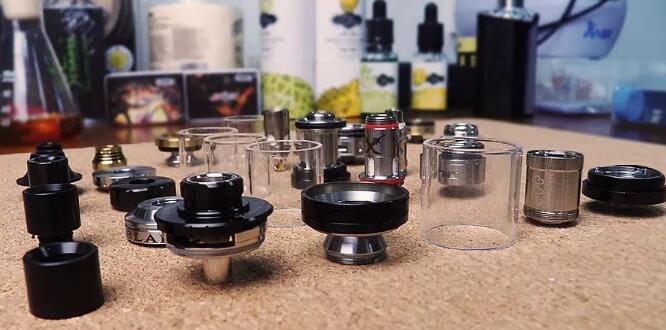
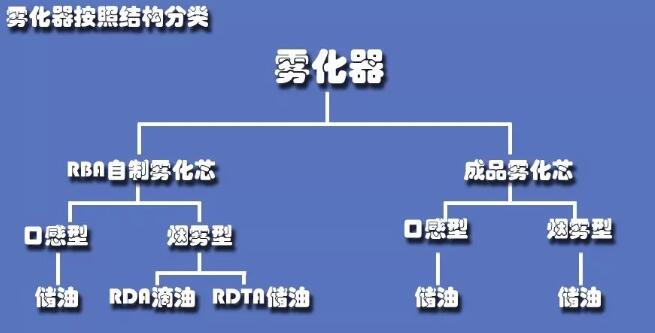
1. Classification of Atomizers:
A. Pre-built atomizers (sub-ohm tanks)
B. RBA atomizers (Rebuildable Atomizers)
RBAs can be divided into:
① RTA (Rebuildable Tank Atomizer)
② RDA (Rebuildable Drip Atomizer)
③ RDTA (Rebuildable Drip Tank Atomizer)
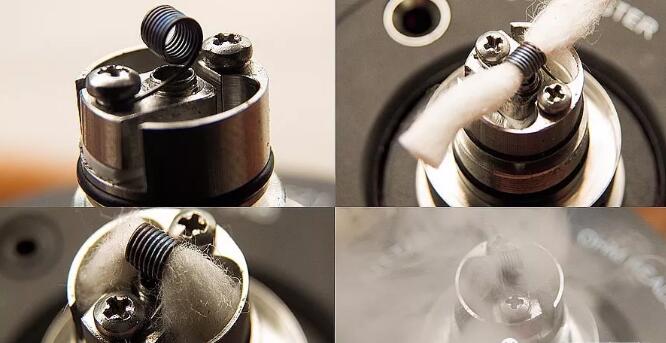
The atomizer is the most important component of an e-cigarette, aside from the power supply. The vapor is produced by heating the heating wire inside the atomizer, which evaporates the e-liquid absorbed by the cotton inside. The airflow structure of the atomizer and the design of the atomization chamber greatly influence the taste during use.
2. Working Principle of Atomizers:
All atomizers operate on the same principle: powered by the main device, the heating coil (or atomization core) inside the atomizer heats up, evaporating the e-liquid absorbed by the cotton on the outside (or inside) of the coil, which is then carried away by the airflow inhaled by the user. Any change at any point can affect the taste of the atomizer.
Atomizers are also classified based on the characteristics of their atomization cores:
① Pre-built atomizers use disposable heating cores that are compatible with the atomizer, hence the name pre-built atomizers (mostly oil storage atomizers). They generally do not come with a DIY base (some products may include DIY components separately), and due to structural issues, while they can be reset, the results are often difficult to reach the original performance, and it takes a long time.
② RBA atomizers, also known as rebuildable atomization core atomizers, do not come with pre-built heating cores and require users to build their own heating coils and install them with cotton. Depending on their structure, they can be divided into RTA, RDA, and RDTA types.
RTA is a rebuildable oil storage atomizer, RDA is a rebuildable drip atomizer, and RDTA is a drip atomizer with an oil tank.
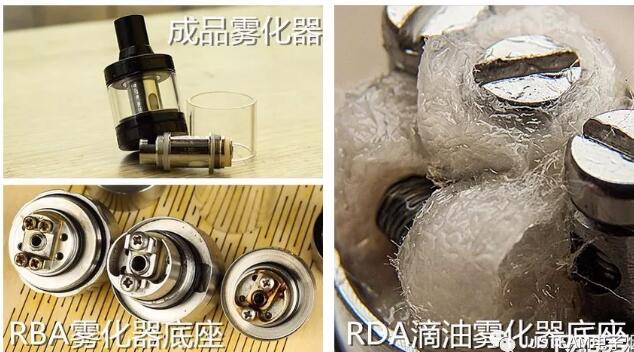
RBA structural characteristics:
The structure of pre-built atomizers generally consists of a drip tip, top cap, oil chamber, pre-built atomization core, and base. RTA atomizers typically consist of a drip tip, top cap, atomization chamber, oil chamber, and electrode platform base. RDA atomizers generally consist of a drip tip, atomization chamber top cap, atomization chamber, and electrode platform base. RDTA atomizers generally consist of a drip tip, atomization chamber top cap, atomization chamber, electrode platform, and bottom oil chamber.
Generally speaking, flavor-oriented atomizers have long and narrow airflow paths, and the internal space of the atomization chamber and the airflow inlet are relatively small, with an inverted cone structure at the top of the atomization chamber that allows the vapor to compress fully, enhancing the fullness and clarity of the flavor. Since flavor-oriented atomizers typically have smaller airflow inlets, they create strong draw resistance (lung inhalation can be quite difficult), so most are designed for mouth-to-lung use.
In contrast, large cloud atomizers have wider (or no) airflow paths, and the internal space of the atomization chamber and airflow inlet are larger, allowing for better mixing of vapor and air, resulting in larger vapor volume. The flavor tends to be rich, but since they are generally used for lung inhalation, the vapor stays in the mouth for a shorter time, leading to slightly reduced fullness and clarity.
3. Atomizer Purchasing Recommendations:
1. Pre-built atomizers are more suitable for beginners or those who do not have the time (or desire) to create heating wires due to their stable flavor and simple operation.
2. RTA atomizers have developed into two distinct categories. On one hand, there are those focused on tasting the flavor of e-liquids for mouth-to-lung use, and on the other hand, there are those designed for large clouds while also wanting decent battery life for lung inhalation. The simplest way to distinguish between them is by the size of the airflow inlet; this will indicate whether it is a mouth-to-lung flavor-oriented atomizer or a large cloud lung inhalation atomizer.
3. RDA drip atomizers also have a similar division, and users can distinguish whether it is a large cloud drip atomizer or a flavor-oriented atomizer based on the size of the atomization chamber and airflow inlet. Generally, the smaller the atomization chamber and airflow inlet, the more likely it is to be a flavor-oriented drip atomizer.
4. RDTA atomizers add an oil storage tank below the RDA atomizer to improve the low oil capacity issue of RDA atomizers that use cotton for oil storage.
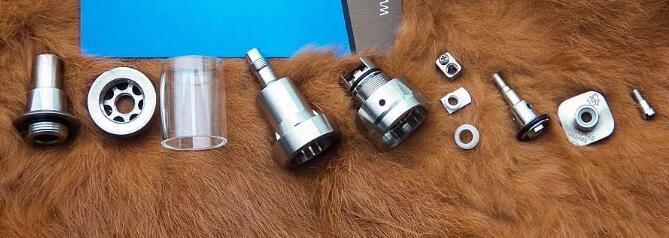
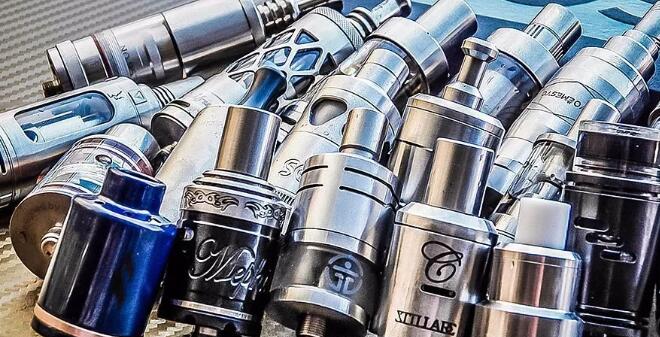
Over the years, atomizers have evolved to meet the needs of players, resulting in various styles: pre-built atomizers for beginners, flavor-oriented mouth-to-lung atomizers, and large cloud lung inhalation atomizers. Continuous structural innovations aim to provide players with a better experience.
By the way, this article's material is not original; it compiles images and text from multiple platforms. Thank you for your understanding.


