
The Mystery of “Compatible” Pods: A Gray Area in the Vaping Industry
The vaping industry has gone through its ups and downs, and most brands have found their core stories today. Some focus on technological research and development, some pursue the taste of real cigarettes, and others open up consumer culture with fashionable designs.
Whether it’s research, taste, or design, the resources of capital, manpower, and knowledge gathered in this field are continuously raising the industry threshold. For consumers, this is obviously a good thing. Because high thresholds and sufficient competition will allow product quality and price to reach the best balance.
However, the black swan that disrupts this balance lurks nearby. Many uninformed consumers do not realize that this industry is facing a gray area concerning its future—“compatible” pods are rampant, masquerading as compatible with mainstream devices but priced much lower than genuine products, exploiting the psychology of “not wanting to waste money” to deceive consumers.
As long as counterfeit compatible pods exist, the efforts of major brands are merely making clothes for others, and consumers will never receive true consumer protection. In the context of consumption upgrading, an industry that was once vibrant is now facing a significant “regression”...
What’s even more concerning is that there is a certain degree of disagreement within the industry regarding the definition of so-called compatible pods. Are compatible pods counterfeit products? This is a question that needs to be clarified.
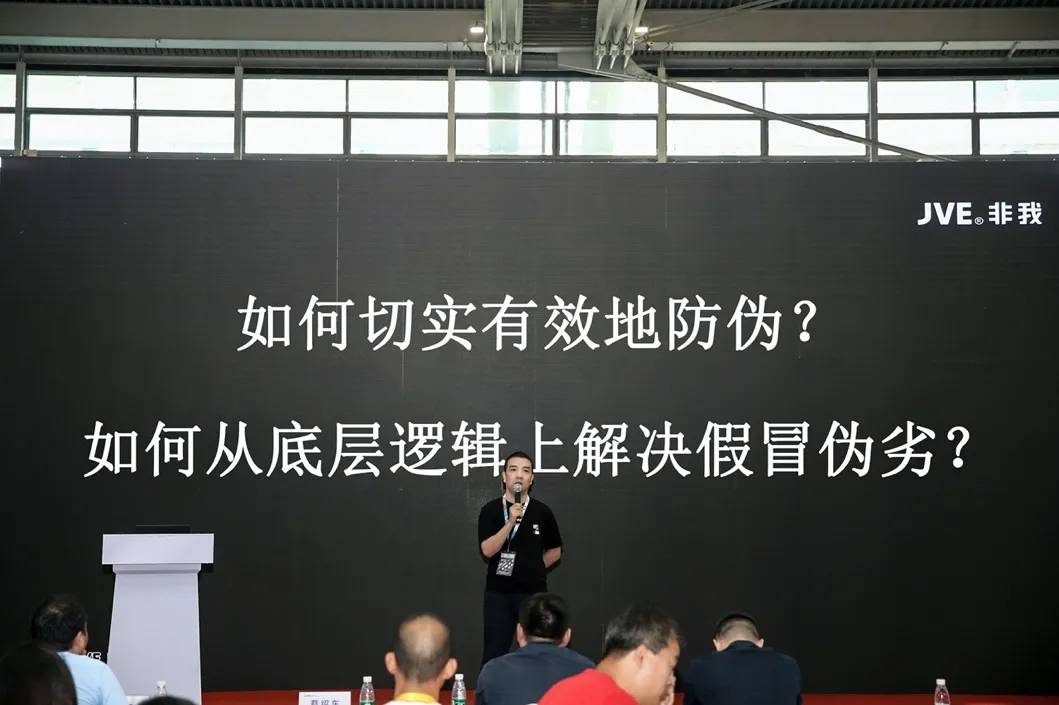
Nevertheless, some e-cigarette brands have already begun to take action. Although this action currently lacks a unified front across the industry, along with the resulting reduction in anti-counterfeiting costs and increased efficiency, there is still hope. The hatred for counterfeit products is a common interest in the industry, and thus a unified action will eventually come. Currently, clarifying the source of counterfeit products and finding effective anti-counterfeiting strategies is the most crucial step.
1. Why are “compatible” counterfeit pods rampant?
First, we need to define whether compatible pods are counterfeit products.
According to the definition by the National Quality Inspection Bureau, counterfeit products are those that use false factory names, addresses, trademarks, product names, product identifiers, etc., leading customers and consumers to mistakenly believe that the product is genuine.
From any perspective, compatible pods precisely fit this definition: the production location information is false, or even nonexistent; trademarks and other product identifiers are not genuine, often being stolen from legitimate brands by small workshops; it is important to note that counterfeit products and OEM products are two entirely different concepts. OEM manufacturers are legitimate and authorized by the brand owner to produce, while counterfeit products are not.
Therefore, compatible pods are standard counterfeit products.
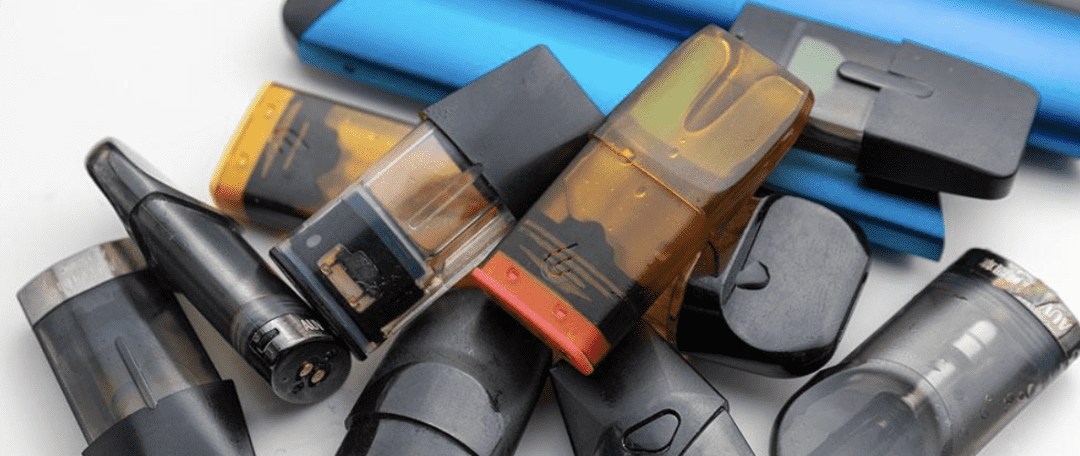
Claiming that compatible counterfeit pods are rampant is not unfounded. Earlier, media reported on a new product from RELX, and immediately someone commented in the background advertising compatible counterfeit pods: “VAMANRK pods, compatible with: RELX first generation, Sp2, Lovevape, VEDFUN, etc. Currently the best universal pod on the market, independently developed, no burnt coil, no oil leakage, pure flavor.”
It’s hard not to wonder: is it too strange to advertise compatible pods under reports about legitimate manufacturers?
Why do so-called compatible pods have room to survive? Only by clarifying this issue can we address it effectively.
From the perspective of industry insiders, the reason is actually not complicated. Compatible pods refer to accessories that can be used interchangeably: certain brand devices can use pods from other brands or even counterfeit pods. The underlying secret is that most brands do not have their own factories but produce in the same OEM factory, then label them with different brands.
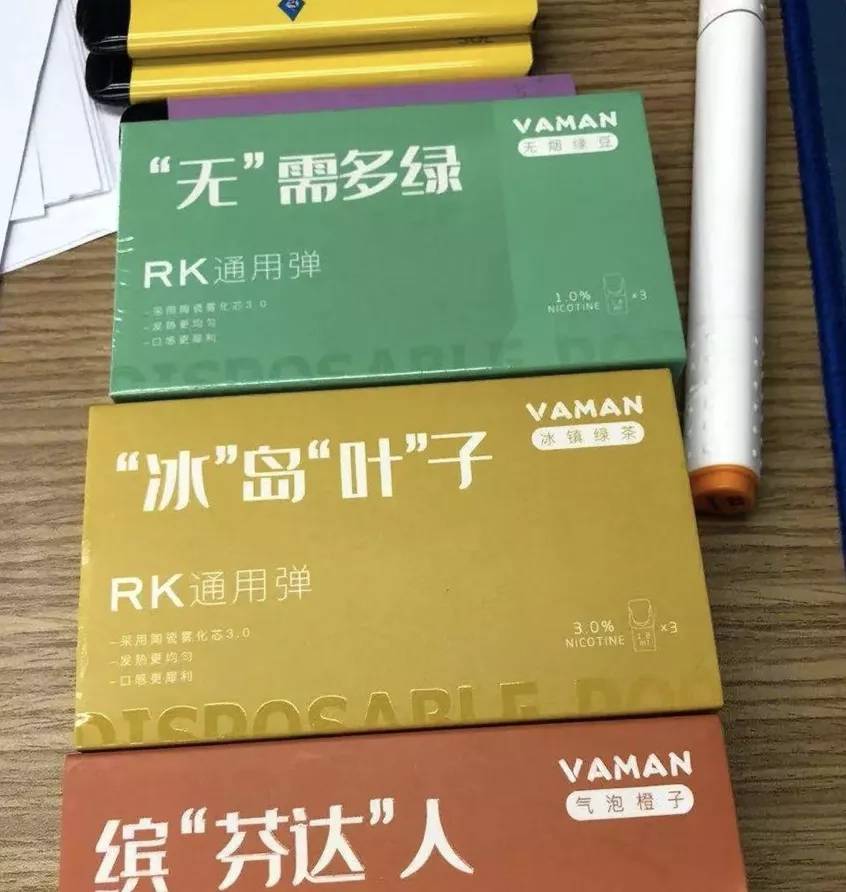
This provides a natural breeding ground for compatible counterfeit pods. Those familiar with the tech industry know a rule: any accessory with universal attributes is unlikely to be a core technology of a single company, as the chances of being counterfeited are too high and the barriers to entry are too low.
Compatible pods are currently in this situation: the space for counterfeit pods is too large, while the technical barriers are too low.
For the vaping industry, this is quite an awkward situation. Pods should logically be non-standard accessories with technological content, but due to considerations of standardized development and low-cost initiation, even many leading brands choose OEM production, which inevitably leads to being at the mercy of others.
For counterfeiters, they have seized on this point, producing a wider range of counterfeit pods with similarly low production costs and technical content compared to legitimate manufacturers.
Counterfeit pod workshops are dirty and chaotic, using poor-quality materials, and after simple production and packaging, they transform into products that flow into the market through various illegal channels. Legitimate manufacturers, after long-term research, design, and promotion, seem to struggle in vain compared to counterfeiters, as if all their efforts are not to make consumers happier, but to make counterfeiters rejoice...
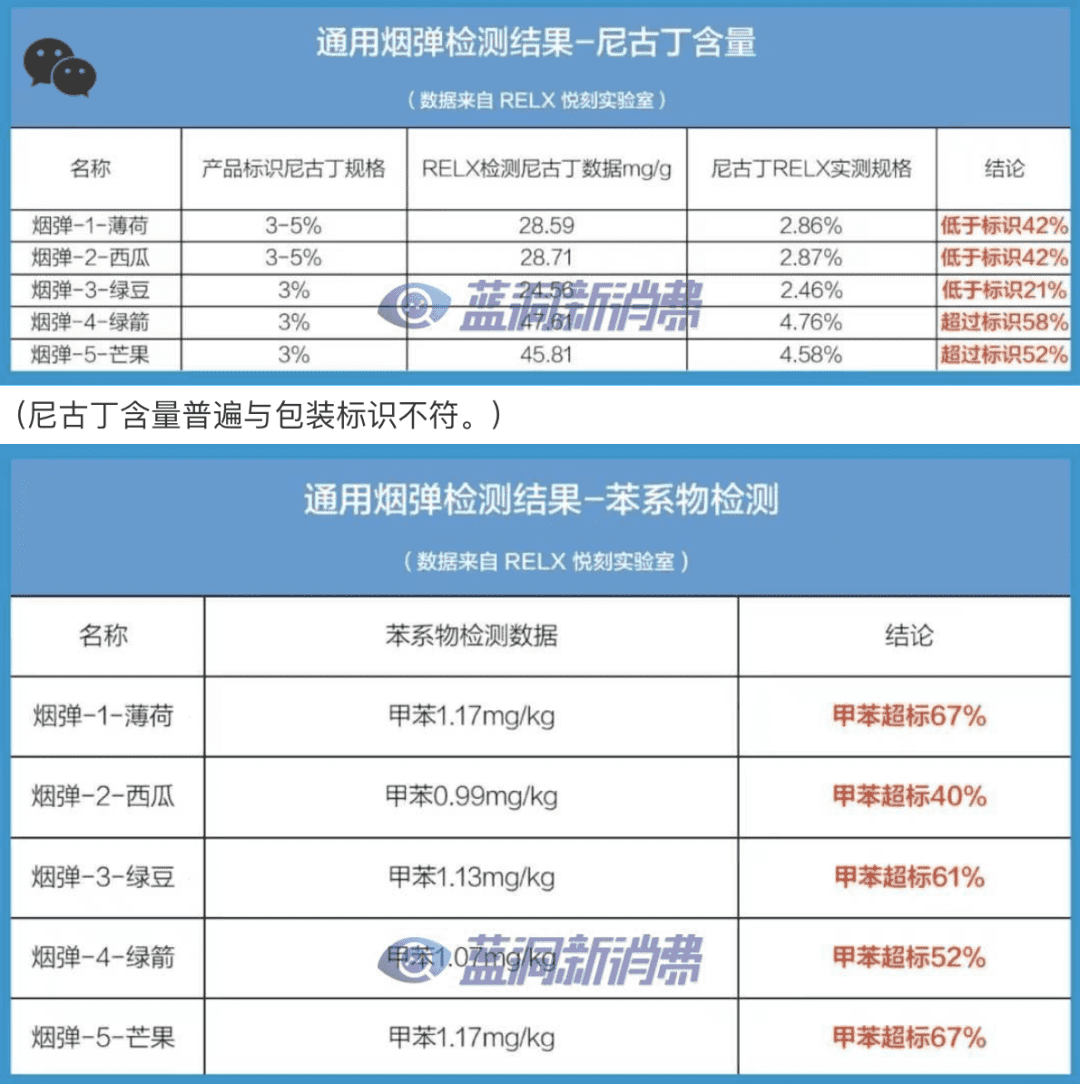
The detection report of compatible pods released by Blue Hole New Consumption
Counterfeiters steal the efforts of brand owners and deceive consumers of their safety, becoming a true public enemy.
Brand owners have also taken some actions against counterfeiting, but the effects are very limited. Because the production methods of most brands in the industry allow counterfeiters to always have a loose space for counterfeiting. So, can we only let counterfeit products run rampant and turn a blind eye?
2. To combat counterfeiting, we must “lower the dimension of attack”
If someone can counterfeit, they can certainly combat counterfeiting. If brand owners are willing to spare no effort to fight against counterfeit products, it expresses an attitude; however, using “lower-dimensional attacks” to strike counterfeit products decisively demonstrates the strength of the brand.
Anti-counterfeiting actions in the industry have never stopped.
RELX has issued consumer warnings against universal pods, engraved devices, and micro-business discount products, all of which are warned against purchasing; in late 2019, a Shanghai court made a criminal judgment on the sale of counterfeit RELX registered trademark products, sentencing the defendant to one year and six months in prison for selling counterfeit registered trademark products; last year, the American e-cigarette brand Juul won a decree from the U.S. International Trade Commission (ITC) that will prevent products from four competitors suspected of imitating Juul e-cigarettes from entering the U.S. market...
Counterfeit dens discovered during RELX's Golden Shield operation
In other words, in combating counterfeit products like compatible pods, both domestic and international legitimate e-cigarette brands are always striving. However, despite these efforts, the problem remains unresolved. Why? Because counterfeiting must be “lowered in dimension,” leaving counterfeiters no room for maneuver.
Taking compatible counterfeit pods as an example, the lower-dimensional attack must focus on two points: first, enhance the technological content of the pods, making them a true core technology that counterfeiters cannot cross; second, reduce the price of genuine pods, even making them cheaper than counterfeit pods, leaving counterfeiters with no profit margin.
Saying no to counterfeit products is to seek a way for the long-term healthy development of the industry. The first battle is imminent; only by truly winning this battle can the vaping industry officially “draw its sword.”
Many problems are not that people cannot see or think of them, but that they cannot be done. This is also the meaning of pain points: whoever can solve the pain points proves their core value.
3. The counterattack has already begun
To launch a counterattack against counterfeit products requires a clear strategy. Lower-dimensional attacks are reflected in two strategic focal points: technology and market. On the technical level, enhance the technical barriers; on the market level, establish legitimate channels, only earn what should be earned, and compress the profit margins of counterfeit products.
The newly established brand “JVE” is the best example of this counterattack strategy.
The first is a technological lower-dimensional attack. They have achieved chip encryption: with anti-counterfeiting technology, creating the industry’s first anti-counterfeiting electronic vaporizer with invention patent protection technology barriers. In simple terms, it has 2 contact points and a fully dynamic real-time password, effectively solving the problem of counterfeiting from the product end, clearing out counterfeit products. This chip took a year and a half to develop, with an investment of over 20 million, and has been first used in new products. Both the pods and devices can be verified against codes; if a non-matching official pod is inserted into the device, it will not work.
The second is a market lower-dimensional attack. All products purchased through officially certified channels are genuine. On this basis, JVE further launched a policy stating that “the official price of genuine products will always be one yuan cheaper than counterfeit products.” Their strong supply chain advantage allows ample space to fully support market users with subsidies, sparing no cost to ensure good products reach end consumers, with prices lower than counterfeit products, creating immediate market impact.
For the entire industry, the anti-counterfeiting campaign based on real pain points has thus begun. The industry has indeed received certain hints regarding anti-counterfeiting strategies: attacking counterfeit products from the bottom-up logic is not an impossible task; the key lies in whether everyone has a profound awareness of the importance of anti-counterfeiting for the future of the industry.
The practical effects are easily visible; making counterfeit products lose their survival space at the source requires “technology” + “market.” In terms of the direction concerning the future development of the industry, such actions are even more enlightening: a new industry standing at the forefront of complexity needs to lock in the overall pain points of the industry in advance.
The situation in 2021 will still be filled with fog for most industries. Especially at such a time, the entire vaping industry needs to combine attitude and action to push the industry through the clouds and onto a more responsible, healthier, and standardized development path.


