
Science Tells Us Whether Flavors Matter to Vaping Users
The rich "flavors" are one of the biggest characteristics of e-cigarettes and an important criterion for many people when choosing products. Many countries and regions have implemented "flavor bans" on e-cigarettes due to concerns that certain flavors may attract minors and youth.
As the largest consumer country of e-cigarettes, the United States has nearly 12 million e-cigarette users, with the most common flavors being mint, fruit, and dessert types. There has been ongoing debate regarding the flavor ban in the U.S.; opponents argue that while the ban may help curb youth usage of e-cigarettes, it could also reduce the effectiveness of e-cigarettes as a smoking cessation aid for adults.
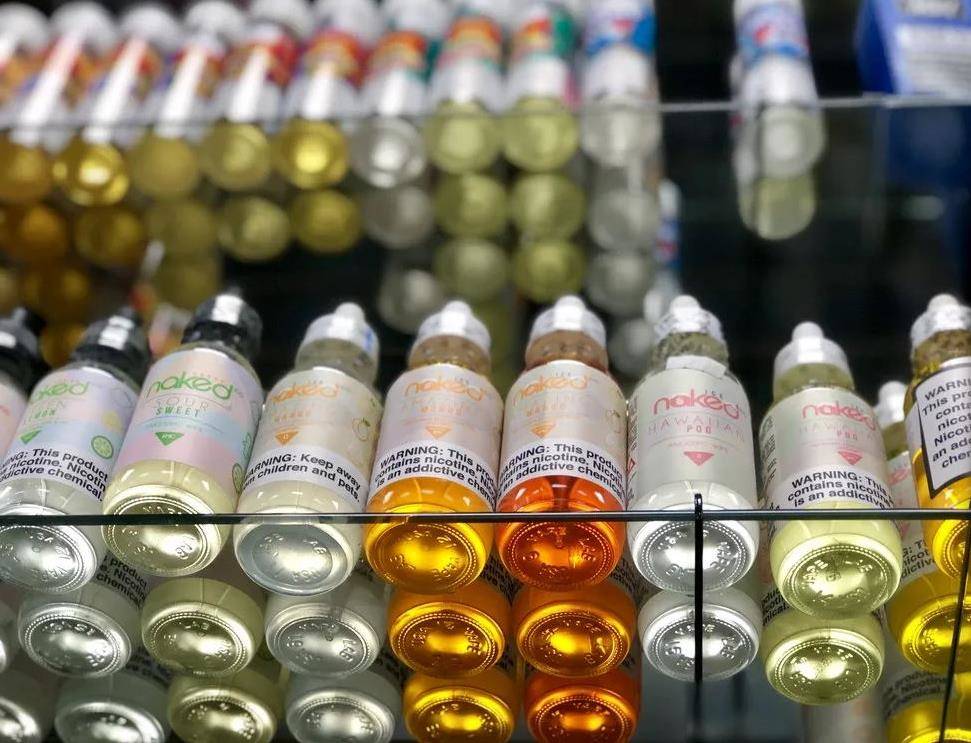
Just ask an e-cigarette user; they won't touch flavors they dislike, let alone a flavorless e-cigarette. A flavorless e-cigarette is not like "plain water" because many brands have launched flavors related to "plain water" that have received quite positive feedback.
However, what impact does flavor have on e-cigarette users? Does it affect their usage? This is a topic that requires scientific methods to study and verify.
Penn State College of Medicine conducted a study on the impact of flavor on e-cigarette users. The project leader, Andrea Hobkirk, led a research team using functional magnetic resonance imaging (fMRI) to develop a research device that scans the brain while subjects inhale e-cigarettes, observing the impact of flavor on e-cigarette users.
The researchers recruited participants who had never smoked e-cigarettes or had only occasionally used them. In the lab, they delivered an aerosol containing a low dose of nicotine to nine adult female smokers. One aerosol had a strawberry vanilla flavor, while the other was flavorless. The research team compared the brain activation intensity and the involvement of reward brain regions between the flavored and unflavored aerosols.
After comparison, the study found that the strawberry vanilla flavored aerosol activated the taste regions of the brain. In contrast, the flavorless aerosol activated the brain's reward regions—similar to observations made when smoking regular tobacco. The researchers published their findings in the journal Experimental and Clinical Psychopharmacology.

The research results indicate that for smokers, flavorless e-cigarettes can better mimic the typical smoking experience compared to flavored e-cigarettes. For those who have never truly smoked e-cigarettes, the flavor does not provide them with a greater sense of achievement, at least based on what is observed in the brain.
What smokers need is something that can provide a reward and sensory experience similar to regular combustible cigarettes, but without the harmful effects of cigarette toxins.
Adding flavor does not necessarily impact these smokers; at least that is what the researchers observed in their brain responses.
This may imply that smokers do not necessarily need these flavor additives to transition from combustible cigarettes to e-cigarettes.
Next, the research team will also isolate different flavored e-cigarette aerosols to analyze the independent effects of different flavors on smokers and non-smokers.
Although "from the brain's activity" perspective, the presence or absence of flavor does not seem to affect e-cigarette users, in reality, the same flavor with slight differences can lead to one brand's pods selling well while similar flavors from other brands may stagnate or even be discontinued. Many brands also go through countless trials and adjustments before launching a new flavor.
Therefore, it is possible that the researchers only scanned the changes in the brain after inhaling nicotine and overlooked the impact of flavor on other brain regions. I hope that in future research, they can pay attention to this aspect.
Because the reality is, when a flavorless e-cigarette and a flavored e-cigarette are placed together, I believe the vast majority of people would choose the flavored one; at least, I do. How about you?
If that's the case, the e-liquid manufacturers would be happy, while the flavoring manufacturers would be crying...


