
Precautions for Charging the YOOZ 2nd Gen Device
Many friends are unaware of the precautions for charging the YOOZ 2nd Gen device, leading to issues such as the device not charging after multiple uses, battery damage, constant red lights, or the battery indicator not lighting up at all. They then seek customer service for after-sales support, only to find out that the damage is classified as user error after factory inspection, resulting in losses for the customer. Customers feel helpless, thinking they charged normally, yet the device is broken and labeled as user damage, leading to questions about quality issues. So, is it really a quality issue, or is it due to improper use?

First, let's look at the specifications of the YOOZ 2nd Gen device. The YOOZ device is divided into mini and standard versions; here we mainly discuss the standard version, with a brief introduction to the mini version.
Mini version - uses a 240mAh battery capacity.
YOOZ 2nd Gen standard device introduction:
Material: Metal texture, gradient colors, and high-gloss finish.
Battery Capacity: 350mAh, long-lasting (among small vaping devices, this is a large capacity).
Charging Time: 40 minutes.
Available Colors: Currently over 30 colors.
Function: When the red indicator light flashes 10 times, it indicates the need for charging, with vibration reminders during use.
Taste: The draw resistance is significantly stronger than the first generation, and the flavor has been optimized compared to the first generation.
Charging Data: Type-C charging port.
Next, let's examine the relationship between fast charging and smartphone battery capacity from a smartphone perspective to see if we can uncover any clues.
Apple has seen improvements in various metrics through numerous product iterations, yet the battery capacity has hardly changed. The battery capacities of the iPhone 12 models range from 2227mAh for the mini to 3687mAh for the MAX, and they continue to use a 5V/1A charger to ensure battery longevity. Is Apple unwilling to adopt fast charging to meet current market demands? The answer is clearly no. So why doesn't Apple increase battery capacity? Because Apple wants to maintain a slim profile, and lithium battery technology has not seen any groundbreaking advancements for years. Therefore, increasing capacity would require larger batteries. Various smartphone manufacturers are researching fast charging technology but are unable to change lithium battery technology. Currently, lithium battery technology has reached its peak. With the advent of 5G, the demands on batteries are higher. The power consumption of 5G networks is fast. In fact, the lithium batteries used in Apple products are not particularly advanced; they are just safe and compliant lithium batteries. Additionally, Apple's unique iOS system is indeed a power-saving tool that optimizes battery usage. The software managed in its App Store also has strict power requirements. Therefore, even with a small battery capacity, Apple devices can still perform effectively, and although the battery capacity is small, they are still accepted by users. Apple is not urgently pursuing changes in battery capacity, and their battery life is comparable to that of Android devices with larger batteries, showcasing Apple's confidence in its capabilities.
Now, let's look at mainstream Android smartphones like Huawei and Xiaomi. From major e-commerce platforms, we can see that the popular battery capacities supporting fast charging are generally around 4500mAh (typical value) or higher. The power of Android fast charging adapters ranges from 5V-2A to 10V-4A. Almost all mainstream Android smartphones supporting Type-C interfaces come with fast charging adapters.
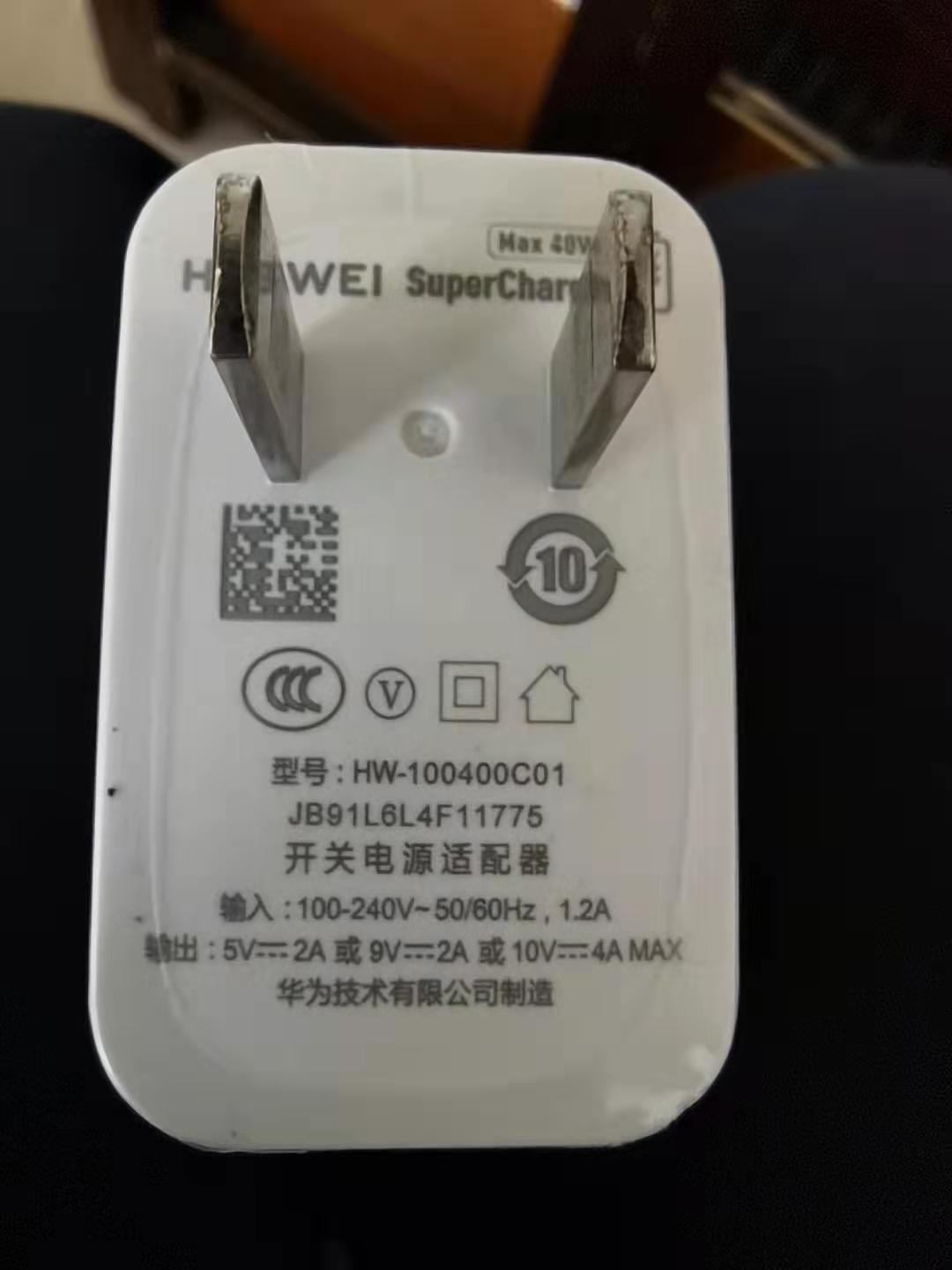
At this point, have you noticed any clues? Let me summarize: small capacity lithium batteries cannot support the voltage and current of high-power fast charging adapters. This can lead to reduced battery lifespan and overload protection, or even directly damage the battery and motherboard. This is a technical barrier of lithium batteries and a current technological bottleneck that cannot be resolved. This is why many YOOZ 2nd Gen customers unknowingly use Android fast charging to charge their YOOZ devices, resulting in user damage and inability to seek after-sales support. Therefore, this is not a quality issue with the YOOZ device. Even Apple's 3000mAh battery does not recommend using fast charging, let alone the 350mAh YOOZ 2nd Gen device. Clearly, fast charging should not be used for charging. Thus, it is not just a recommendation to use a 5V/1A charger; it is essential to use a 5V/1A charger.


