The Flood of “Buzz E-Cigarettes” Is Finally Being Curbed
“Buzz e-cigarettes” became popular in China about three or four years ago. At first, they were mailed in from overseas. Later, seeing the profit potential, underground production began. Then, in entertainment venues and major online platforms, they were p
“Buzz e-cigarettes” became popular in our country about three or four years ago. Initially, they were mailed from abroad, but as profits became apparent, underground production began, and they were marketed in entertainment venues and on major online platforms under slogans like “legal high” and “legal flight,” enticing teenagers to use them.
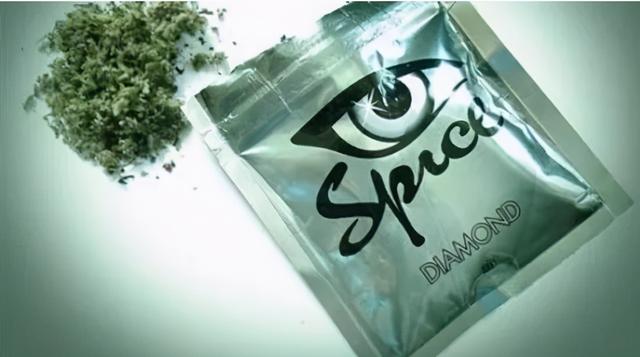
Many people are curious about how these “buzz e-cigarettes” came about and how they relate to regular e-cigarettes. Let me briefly explain. First, it should be noted that buzz e-cigarettes have little to no relation to legitimate e-cigarettes like those from brands such as RELX, as buzz e-cigarettes are mostly underground, unregulated products. The only connection is that they contain artificially synthesized e-liquids that can also be used in legitimate e-cigarettes, similar to how a mineral water bottle can be made into a tool for consuming methamphetamine, making them difficult to regulate. E-cigarettes may have different appearances, but their internal structure is largely similar, consisting of two main parts: the battery and the cartridge. The former powers the heating device of the e-cigarette, while the latter holds the e-liquid, which, when heated, produces vapor that allows users to inhale, replacing the sensation of traditional smoking. The composition of e-liquids is complex, and there are relevant regulations in place. Ultimately, e-cigarettes are still a form of smoking, but compared to traditional cigarettes, they can reduce harm by 95%. Buzz e-cigarettes originated from the American cannabis community, where users extracted and concentrated THC from cannabis plants to create cannabis e-liquids, which are then consumed using e-cigarettes. This method of consumption is more stimulating and has a stronger effect than traditional smoking methods. Humans have a tendency to pursue stronger sensations once they experience pleasure from a substance. Heroin, for example, was initially an oral painkiller, and although it had addictive side effects, it was not as terrifying as it is now, being labeled as the king of drugs. At that time, heroin was readily available as a medication that could alleviate pain from many diseases, but it also produced feelings of euphoria and happiness. When people discovered that larger doses led to stronger euphoric feelings, they began to abuse it, increasing the dosage and changing the method of consumption, gradually elevating heroin to its notorious status as the king of drugs. After a period of consuming cannabis e-liquids, users in the cannabis community felt it was not enough, leading underground chemists to develop a chemical that mimics the THC found in cannabis, known as synthetic cannabinoids, which were then made into various drugs. Data shows that synthetic cannabinoids can be 85 times more potent than THC found in cannabis, meaning the effects are also much stronger, and at the same dosage, they can be even more toxic, with 1 gram equivalent to 5.5 grams of heroin. The first synthetic cannabinoid to gain popularity was a drug called “Spice,” also known as “K2,” “Magic,” “Zohai,” “Supernova,” “Mice,” “Ghost,” etc. Its appearance is similar to regular herbs and tea leaves, and it is consumed in a traditional manner, similar to previous cannabis use.