
Are Condensation Leakage and E-Liquid Leakage in E-Cigarettes the Same Thing?
If you’ve only used an e-cigarette for a short time, you may mistake condensation leakage for an atomizer “oil leak.” So for vaping products, are condensation leakage and e-liquid leakage the same thing? In fact, they are fundamentally two different pheno
If you have just started using e-cigarettes and experience condensation leakage, you might mistakenly think it's the atomizer "leaking oil". So, for atomizing e-cigarettes, is condensation leakage the same as oil leakage? In essence, condensation and oil leakage are two different phenomena, caused by different reasons. Condensation leakage is determined by the working principle of the e-cigarette, while oil leakage is due to the quality of the device or installation issues.
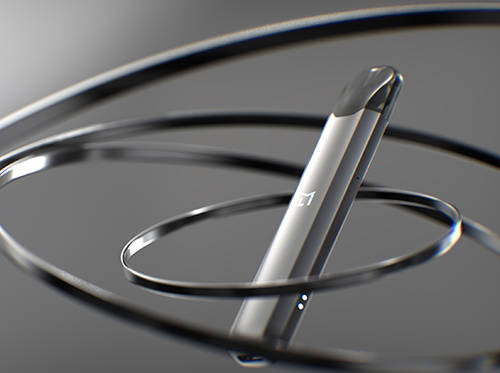 To determine whether the e-liquid on the outside of the device is due to oil leakage or condensation accumulation, you can follow these simple steps:
1. Clean the device thoroughly, including the exterior, atomizer base, airflow path, etc., ensuring the e-cigarette is clean. If possible, replace the atomizer core to avoid interference with your judgment.
2. Fill the atomizer with e-liquid and let it sit (any position is fine) for more than 30 minutes.
3. Observe if there is any e-liquid seeping out. If there is no e-liquid seeping out, you can conclude that the previously leaked liquid was condensation. If e-liquid continues to seep out, it indicates that the device is leaking oil.
Condensation occurs due to the working principle of e-cigarette products, so under current conditions, the condensation issue cannot be completely eliminated; it can only be minimized through regular maintenance to reduce its negative impact during use. Below, I will introduce some common problems and solutions during use:
1. Refilling too quickly or overfilling
Some novice users may rush when refilling and add too much e-liquid, causing the atomizer core to become oversaturated or some e-liquid not to be absorbed by the core and enter the base. Overfilling can also lead to oil leakage.
Solution: When refilling, try not to overfill! Generally, do not exceed 2/3 of the oil storage chamber. It’s better to add a little at a time, refilling after each use, rather than overfilling all at once. This is determined by the structure and working principle of the atomizer. The oil in the storage chamber seeps through the atomizer's small holes into the core, and then the core heats the incoming e-liquid, turning it into vapor that comes out of the mouthpiece. If overfilled, the air pressure in the atomizer is low, causing more e-liquid to seep into the core due to gravity, which can easily flow out of the mouthpiece or into your mouth.
2. Incorrect usage
Many users habitually blow into the atomizer, which is incorrect.
Firstly, the structure of pre-filled atomizers and dripping atomizers is different. Habitually blowing into a pre-filled atomizer can sometimes blow oil droplets into the base, combined with accumulated condensation, leading to oil leakage.
Solution: Try not to blow into the mouthpiece. If you hear gurgling sounds while inhaling, it indicates that there are condensation droplets on the inner wall of the airflow path. In this case, tilt the mouthpiece down and shake it a few times to expel the liquid. Blowing into it will not solve the problem.
3. Loss or damage of the atomizer sealing O-ring
The sealing O-ring is the most likely component to be lost or damaged during use. If the sealing O-ring that contacts the atomizer core and base is lost or damaged, it can also lead to oil leakage.
Solution: When unscrewing the atomizer for refilling, do so gently to avoid touching the sealing O-ring. If you accidentally remove the sealing O-ring, carefully reinstall it after refilling. If it is lost or damaged, replace it with a new atomizer (the sealing O-ring from an old atomizer can be removed and kept as a spare).
5. Incorrect usage and excessive or rapid inhalation leading to e-liquid entering the mouth
Many new users complain about e-liquid entering their mouths, suspecting it’s a quality issue with the e-cigarette. In fact, this is often due to a lack of understanding of how to use e-cigarettes. Aside from a few cases that are indeed quality issues, most are caused by excessive inhalation force or speed. Unlike traditional cigarettes, where the harder you inhale, the faster it burns and the more smoke you get, with e-cigarettes, the longer you inhale, the more vapor you get.
Solution: When using e-cigarettes, do not tilt the mouthpiece downwards; instead, hold it at a 45-degree angle while inhaling. Maintain a steady and moderate inhalation force. E-cigarettes do not require combustion; the inhalation force should simply ensure that the vaporized smoke is inhaled (to take a larger puff, just inhale longer). If the inhalation force is too strong or too fast, it can easily draw condensation or unvaporized e-liquid into your mouth.
6. Long-term storage
If e-liquid in the atomizer is left unused for a long time, it can also cause oil leakage. Most pre-filled atomizers use a negative pressure oil guiding structure, and if left unused for a long time, the pressure inside the atomizer remains, causing continuous oil guiding. Excessive e-liquid accumulation in the atomizer core can seep into the base, leading to oil leakage.
Solution: Each time you refill, try to add according to your usage amount, ensuring that the oil added is used up on the same day. If you need to store it for a long time, unscrew the atomizer and expel the remaining e-liquid.
Additionally, occasionally drawing e-liquid into your mouth does not constitute an oil leakage phenomenon; this is generally due to condensation vapor condensing into droplets. Tilt the mouthpiece down to expel any residual liquid, then use a paper towel twisted into a string to wipe it clean.
To determine whether the e-liquid on the outside of the device is due to oil leakage or condensation accumulation, you can follow these simple steps:
1. Clean the device thoroughly, including the exterior, atomizer base, airflow path, etc., ensuring the e-cigarette is clean. If possible, replace the atomizer core to avoid interference with your judgment.
2. Fill the atomizer with e-liquid and let it sit (any position is fine) for more than 30 minutes.
3. Observe if there is any e-liquid seeping out. If there is no e-liquid seeping out, you can conclude that the previously leaked liquid was condensation. If e-liquid continues to seep out, it indicates that the device is leaking oil.
Condensation occurs due to the working principle of e-cigarette products, so under current conditions, the condensation issue cannot be completely eliminated; it can only be minimized through regular maintenance to reduce its negative impact during use. Below, I will introduce some common problems and solutions during use:
1. Refilling too quickly or overfilling
Some novice users may rush when refilling and add too much e-liquid, causing the atomizer core to become oversaturated or some e-liquid not to be absorbed by the core and enter the base. Overfilling can also lead to oil leakage.
Solution: When refilling, try not to overfill! Generally, do not exceed 2/3 of the oil storage chamber. It’s better to add a little at a time, refilling after each use, rather than overfilling all at once. This is determined by the structure and working principle of the atomizer. The oil in the storage chamber seeps through the atomizer's small holes into the core, and then the core heats the incoming e-liquid, turning it into vapor that comes out of the mouthpiece. If overfilled, the air pressure in the atomizer is low, causing more e-liquid to seep into the core due to gravity, which can easily flow out of the mouthpiece or into your mouth.
2. Incorrect usage
Many users habitually blow into the atomizer, which is incorrect.
Firstly, the structure of pre-filled atomizers and dripping atomizers is different. Habitually blowing into a pre-filled atomizer can sometimes blow oil droplets into the base, combined with accumulated condensation, leading to oil leakage.
Solution: Try not to blow into the mouthpiece. If you hear gurgling sounds while inhaling, it indicates that there are condensation droplets on the inner wall of the airflow path. In this case, tilt the mouthpiece down and shake it a few times to expel the liquid. Blowing into it will not solve the problem.
3. Loss or damage of the atomizer sealing O-ring
The sealing O-ring is the most likely component to be lost or damaged during use. If the sealing O-ring that contacts the atomizer core and base is lost or damaged, it can also lead to oil leakage.
Solution: When unscrewing the atomizer for refilling, do so gently to avoid touching the sealing O-ring. If you accidentally remove the sealing O-ring, carefully reinstall it after refilling. If it is lost or damaged, replace it with a new atomizer (the sealing O-ring from an old atomizer can be removed and kept as a spare).
5. Incorrect usage and excessive or rapid inhalation leading to e-liquid entering the mouth
Many new users complain about e-liquid entering their mouths, suspecting it’s a quality issue with the e-cigarette. In fact, this is often due to a lack of understanding of how to use e-cigarettes. Aside from a few cases that are indeed quality issues, most are caused by excessive inhalation force or speed. Unlike traditional cigarettes, where the harder you inhale, the faster it burns and the more smoke you get, with e-cigarettes, the longer you inhale, the more vapor you get.
Solution: When using e-cigarettes, do not tilt the mouthpiece downwards; instead, hold it at a 45-degree angle while inhaling. Maintain a steady and moderate inhalation force. E-cigarettes do not require combustion; the inhalation force should simply ensure that the vaporized smoke is inhaled (to take a larger puff, just inhale longer). If the inhalation force is too strong or too fast, it can easily draw condensation or unvaporized e-liquid into your mouth.
6. Long-term storage
If e-liquid in the atomizer is left unused for a long time, it can also cause oil leakage. Most pre-filled atomizers use a negative pressure oil guiding structure, and if left unused for a long time, the pressure inside the atomizer remains, causing continuous oil guiding. Excessive e-liquid accumulation in the atomizer core can seep into the base, leading to oil leakage.
Solution: Each time you refill, try to add according to your usage amount, ensuring that the oil added is used up on the same day. If you need to store it for a long time, unscrew the atomizer and expel the remaining e-liquid.
Additionally, occasionally drawing e-liquid into your mouth does not constitute an oil leakage phenomenon; this is generally due to condensation vapor condensing into droplets. Tilt the mouthpiece down to expel any residual liquid, then use a paper towel twisted into a string to wipe it clean.
To determine whether the e-liquid on the outside of the device is due to oil leakage or condensation accumulation, you can follow these simple steps:
1. Clean the device thoroughly, including the exterior, atomizer base, airflow path, etc., ensuring the e-cigarette is clean. If possible, replace the atomizer core to avoid interference with your judgment.
2. Fill the atomizer with e-liquid and let it sit (any position is fine) for more than 30 minutes.
3. Observe if there is any e-liquid seeping out. If there is no e-liquid seeping out, you can conclude that the previously leaked liquid was condensation. If e-liquid continues to seep out, it indicates that the device is leaking oil.
Condensation occurs due to the working principle of e-cigarette products, so under current conditions, the condensation issue cannot be completely eliminated; it can only be minimized through regular maintenance to reduce its negative impact during use. Below, I will introduce some common problems and solutions during use:
1. Refilling too quickly or overfilling
Some novice users may rush when refilling and add too much e-liquid, causing the atomizer core to become oversaturated or some e-liquid not to be absorbed by the core and enter the base. Overfilling can also lead to oil leakage.
Solution: When refilling, try not to overfill! Generally, do not exceed 2/3 of the oil storage chamber. It’s better to add a little at a time, refilling after each use, rather than overfilling all at once. This is determined by the structure and working principle of the atomizer. The oil in the storage chamber seeps through the atomizer's small holes into the core, and then the core heats the incoming e-liquid, turning it into vapor that comes out of the mouthpiece. If overfilled, the air pressure in the atomizer is low, causing more e-liquid to seep into the core due to gravity, which can easily flow out of the mouthpiece or into your mouth.
2. Incorrect usage
Many users habitually blow into the atomizer, which is incorrect.
Firstly, the structure of pre-filled atomizers and dripping atomizers is different. Habitually blowing into a pre-filled atomizer can sometimes blow oil droplets into the base, combined with accumulated condensation, leading to oil leakage.
Solution: Try not to blow into the mouthpiece. If you hear gurgling sounds while inhaling, it indicates that there are condensation droplets on the inner wall of the airflow path. In this case, tilt the mouthpiece down and shake it a few times to expel the liquid. Blowing into it will not solve the problem.
3. Loss or damage of the atomizer sealing O-ring
The sealing O-ring is the most likely component to be lost or damaged during use. If the sealing O-ring that contacts the atomizer core and base is lost or damaged, it can also lead to oil leakage.
Solution: When unscrewing the atomizer for refilling, do so gently to avoid touching the sealing O-ring. If you accidentally remove the sealing O-ring, carefully reinstall it after refilling. If it is lost or damaged, replace it with a new atomizer (the sealing O-ring from an old atomizer can be removed and kept as a spare).
5. Incorrect usage and excessive or rapid inhalation leading to e-liquid entering the mouth
Many new users complain about e-liquid entering their mouths, suspecting it’s a quality issue with the e-cigarette. In fact, this is often due to a lack of understanding of how to use e-cigarettes. Aside from a few cases that are indeed quality issues, most are caused by excessive inhalation force or speed. Unlike traditional cigarettes, where the harder you inhale, the faster it burns and the more smoke you get, with e-cigarettes, the longer you inhale, the more vapor you get.
Solution: When using e-cigarettes, do not tilt the mouthpiece downwards; instead, hold it at a 45-degree angle while inhaling. Maintain a steady and moderate inhalation force. E-cigarettes do not require combustion; the inhalation force should simply ensure that the vaporized smoke is inhaled (to take a larger puff, just inhale longer). If the inhalation force is too strong or too fast, it can easily draw condensation or unvaporized e-liquid into your mouth.
6. Long-term storage
If e-liquid in the atomizer is left unused for a long time, it can also cause oil leakage. Most pre-filled atomizers use a negative pressure oil guiding structure, and if left unused for a long time, the pressure inside the atomizer remains, causing continuous oil guiding. Excessive e-liquid accumulation in the atomizer core can seep into the base, leading to oil leakage.
Solution: Each time you refill, try to add according to your usage amount, ensuring that the oil added is used up on the same day. If you need to store it for a long time, unscrew the atomizer and expel the remaining e-liquid.
Additionally, occasionally drawing e-liquid into your mouth does not constitute an oil leakage phenomenon; this is generally due to condensation vapor condensing into droplets. Tilt the mouthpiece down to expel any residual liquid, then use a paper towel twisted into a string to wipe it clean.

