
Study on drying kinetics of reconstituted tobacco in HNB tobacco sticks under different processing m
The formation of heated cigarette smoke is closely related to the heating state (drying, distillation and pyrolysis) of reconstituted tobacco leaves. Drying (30~100 ℃) is the first stage of the heating process of reconstituted tobacco leaves. Since the evaporation of water increases the heat and mass transfer resistance within the tobacco, this stage has a significant impact on the temperature field distribution within the tobacco, the total smoke emission and consistency.
Therefore,Carrying out research on the reconstituted drying process of heated cigarette leaves is the basis for understanding the heat and mass transfer process and smoke-making mechanism of heated cigarettes, and is of great significance to the systematic design of improving the quality of heated cigarette products.
Water migration during the drying process is not only affected by the properties of the drying medium, but also related to the physical structure and chemical composition of the material itself. At present, the processing technologies for heated reconstituted cigarette tobacco leaves include roll pressing method, papermaking method, dry method and thick pulp method. Different processing technologies lead to differences in the physical structure of reconstituted tobacco leaves, which affects the diffusion and migration of water within reconstituted tobacco leaves. In addition, glycerol is a commonly used smoking agent for heating reconstituted tobacco leaves. The hydrophilicity of glycerol can enhance the water-holding capacity of reconstituted tobacco leaves, thus affecting the drying kinetics of reconstituted tobacco leaves. In recent years, the research objects on tobacco drying kinetics have mainly been traditional tobacco raw materials (such as tobacco leaves, leaf shreds, stem shreds, expanded tobacco, etc.), but there have been few reports on the drying kinetics characteristics and influencing factors of heated cigarette reconstituted tobacco leaves.
Recently, Dr. Li Bin's team from the Key Laboratory of Tobacco Technology in the Tobacco Industry took reconstituted tobacco leaves with different glycerol contents by roll pressing, papermaking, dry and thick pulp methods as research objects. Using a thermogravimetric analyzer to analyze the effects of different processes and glycerol content on the isothermal drying characteristics of reconstituted tobacco leaves, and established a kinetic model for isothermal drying of heated cigarette reconstituted tobacco leaves, in order to deeply understand the heat and mass transfer characteristics of reconstituted tobacco leaves during the drying process. Provide technical support for the design of heated cigarette products.
 #p#Pagination Title #e#
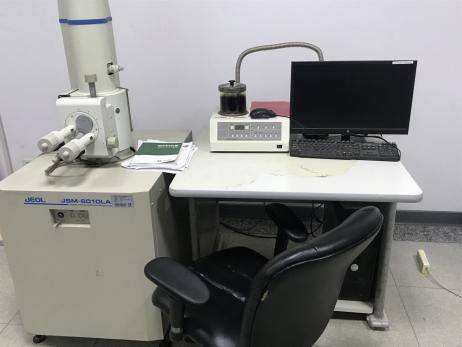
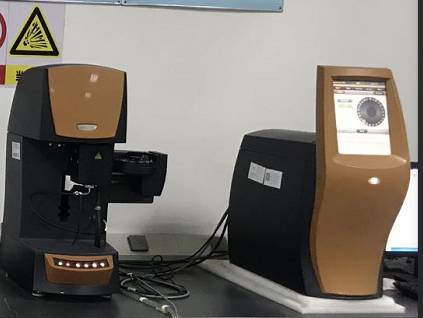
Figure 1 Main experimental equipment (a), thermogravimetric analyzer (b) Scanning electron microscope
sample informationThe surface microstructure of reconstituted tobacco leaf samples by various processes is shown in Figure 2. In order to obtain reconstituted tobacco leaf samples with different glycerol contents, 30%, 50%, 70%, and 90% auto tert-ethanol solutions were used to successively perform gradient elution on the reconstituted tobacco leaves, and then freeze drying. This method can effectively prevent the microstructure of reconstituted tobacco leaves from shrinking and deforming. The sample information corresponding to the glycerol content of each sample is shown in Table 1.
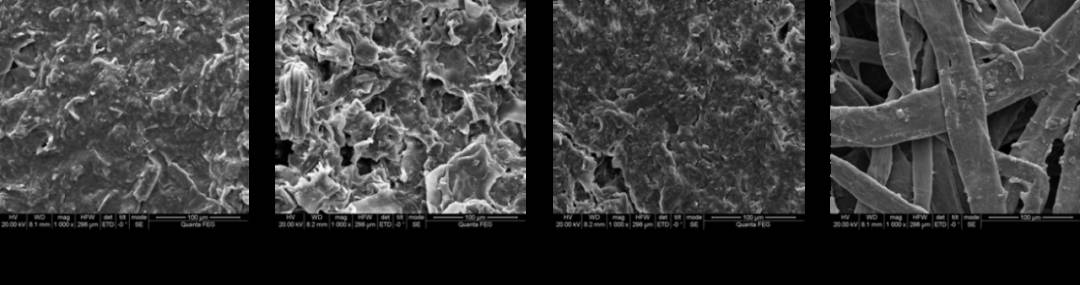
Figure 2 Surface microstructure of reconstituted tobacco leaves by thick pulp method (a), dry method (b), roll pressing method (c), papermaking method (d)
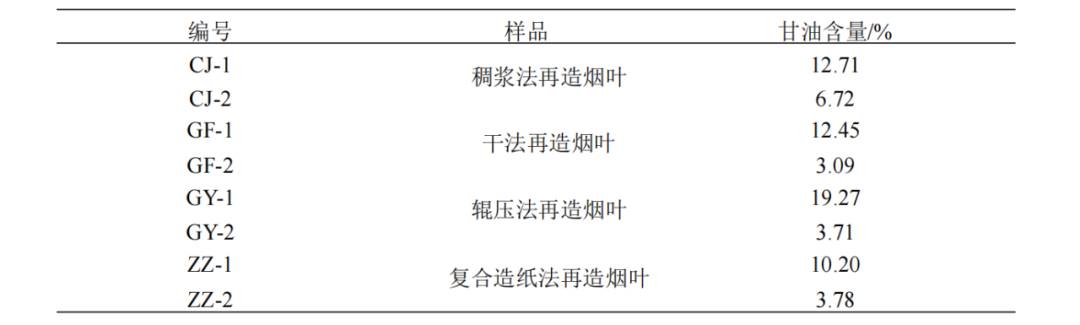
Table 1 Glycerin content in reconstituted tobacco leaves
result analysisIn the process of investigating the effects of different processes and glycerol content on the drying characteristics of heated cigarette reconstituted tobacco leaves, a thermogravimetric analyzer was used to investigate the isothermal drying experimental processes of reconstituted tobacco leaves with different glycerol contents under the setting range of 50 - 90℃, and a segmented kinetic model for isothermal drying of heated cigarette reconstituted tobacco leaves was established.# p#pagination title #e#
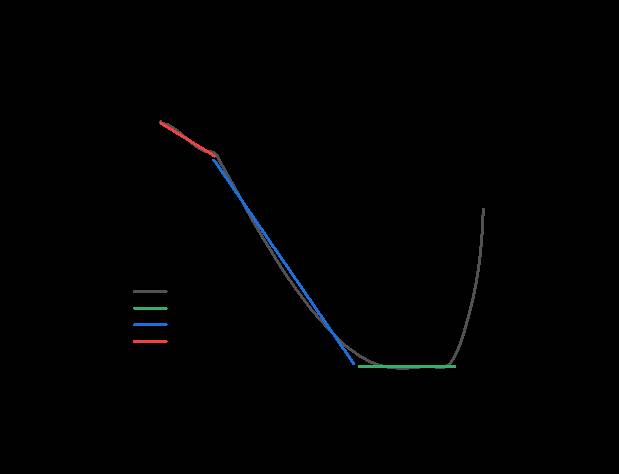
Figure 3 Schematic diagram of the relationship between the drying rate of reconstituted tobacco leaves and the moisture content of dry basis
As shown in Figure 3, taking the inflection points (B, C) of the curve of drying rate versus dry basis moisture content as the dividing points, the curve of drying rate versus dry basis moisture content is divided into three stages: AB, BC and CD. The AB section is the constant speed drying stage during the drying process, and the drying rate (absolute value) reaches the maximum and remains constant. BC and CD sections are the first and second reduced-speed drying stages of reconstituted tobacco leaves, and the relationship between drying rate and moisture content is linearly related. The water content corresponding to points B and C is recorded as critical water content Xcr1 and Xcr2.
Establish a segmented model for the drying kinetics of reconstituted tobacco leaves as shown in Equation (1-3):
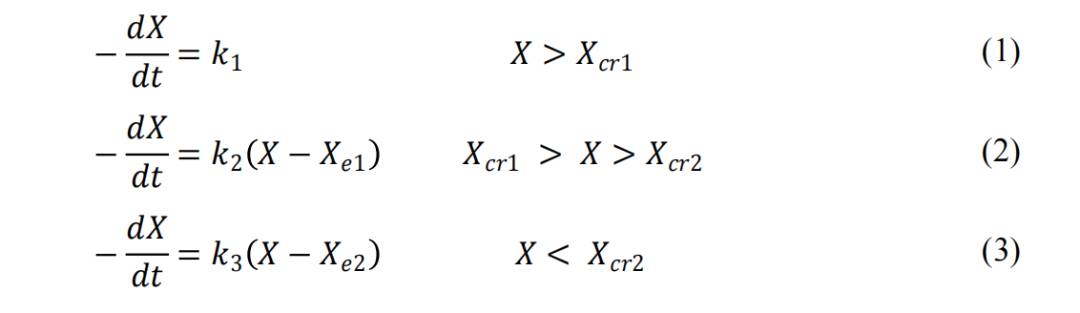
The coefficient of determination R2 and root-mean-square error RMSE were used to evaluate the fitting degree of the isothermal drying model. The effects of temperature and glycerol content on the drying kinetics of reconstituted tobacco leaves with different processes are shown in Figure 4 and Figure 5 respectively.
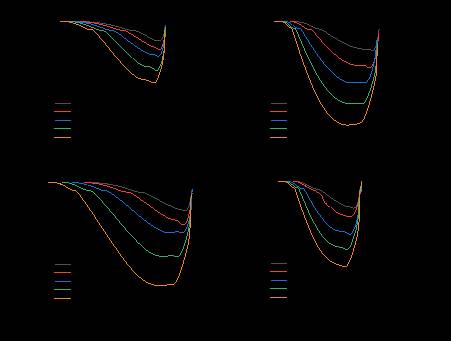
Figure 4 Drying rate curves of reconstituted tobacco leaves CJ-1(a), GF-1(b), GY-1(c), ZZ-1(d)
#p#Pagination Title #e#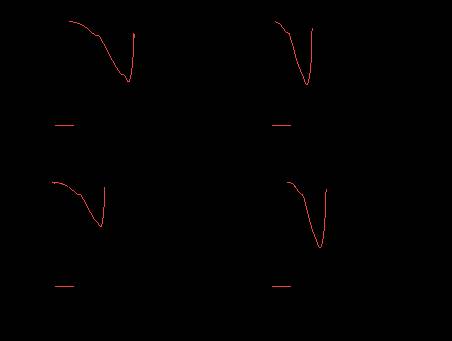
Figure 5 Drying rate curves of reconstituted tobacco leaves with different glycerol contents at 70℃ by thick pulp method (a), dry method (b), roll pressing method (c), and papermaking method (d)
The results showed that:
①There are four stages in the drying process of reconstituted tobacco leaves: increasing speed drying, constant speed drying, first decreasing speed drying and second decreasing speed drying.
② Based on the characteristics of the drying process of reconstituted tobacco leaves, a segmented kinetic model for isothermal drying of heated cigarette reconstituted tobacco leaves was established. The fitting effects R2 were all greater than 0.9952, and the RMSE was below 0.0028, which could accurately describe the water migration law during isothermal drying of heated cigarette reconstituted tobacco leaves.
③ Increasing glycerol content can increase the equilibrium moisture content in the drying process. With the increase of glycerol content, the drying rate constant k? Increase, k?, k? Both decrease.
④Under the same drying conditions, the drying rates of reconstituted tobacco leaves from the four processes were papermaking method, dry method, roll pressing method and thick pulp method.
The segmented model of isothermal drying kinetics for the drying process of reconstituted tobacco leaves established in this paper has a better fitting effect than common isothermal drying models, and the model parameters are linearly related to temperature, which can accurately describe the moisture migration during the isothermal drying of heated cigarette reconstituted tobacco leaves. The increase in glycerol content will increase the final equilibrium moisture content of the drying process and inhibit the moisture diffusion during the drying process of reconstituted tobacco leaves. Provide support for the research on the drying kinetic characteristics and influencing factors of reconstituted tobacco leaves and the design and regulation of electrically heated cigarettes.# p#pagination title #e#
The paper was published in Tobacco Technology, No. 9, 2021.


