
Why Is My E-Cigarette Leaking E-Liquid?
Why does an e-cigarette leak e-liquid? Many users, especially beginners, report this issue when first getting into vaping. To understand the cause, it's important to first distinguish between e-liquid and condensation, and then analyze other possible reas
What causes e-cigarettes to leak e-liquid? Many friends often report this issue when they first start using e-cigarettes: why does leaking occur during daily use? First, we need to distinguish between e-liquid and condensate before analyzing other reasons.
E-liquid is the soul of the e-cigarette; the vapor comes from it. An e-cigarette without e-liquid is like a car without fuel—useless. E-liquids are divided into different VG and PG ratios. VG, commonly known as glycerin, can produce a large amount of vapor and is relatively thick, making it less likely to leak. PG, or propylene glycol, produces much less vapor and is used to mix with flavorings and nicotine, making it easier to leak and providing a stronger throat hit. Different flavors of e-liquid use different flavorings, and their colors may vary, so everyone can choose e-liquids with different ratios according to their preferences.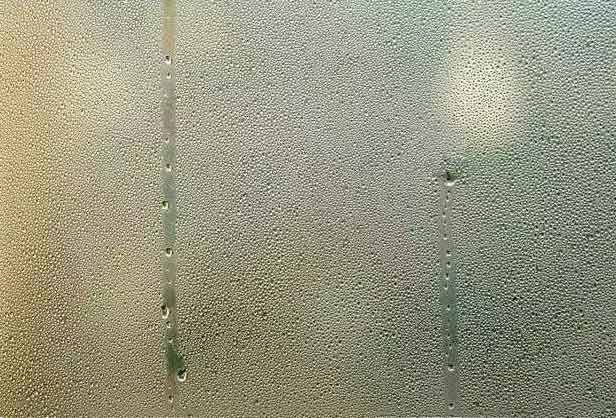 Condensate is produced when the high temperature of the vapor generated during heating combines with the lower temperature of the surrounding air, causing the vapor to liquefy. For example, when boiling water, steam encounters relatively cooler air, resulting in condensation. If the spout is directed at glass or tiles, we can observe water droplets forming, which we can refer to as the condensation process, and the liquid produced is called "condensate."
Now that we understand the concepts and distinctions of these two, let’s analyze the handling methods for condensate and why leaking occurs.
Does disposable small e-cigarettes leak?<\/strong>
Disposable small e-cigarettes generally do not leak because they are tested by manufacturers before being released. However, condensation is unavoidable; even if there is a cotton layer at the mouthpiece, some condensate may still appear. If you feel "oil" in your mouth while using, simply hold the device, flick the mouthpiece outward, and wipe it with a paper towel to avoid the sensation of sucking in condensate. For replaceable pod small e-cigarettes, such as PHIX and MT, some may experience slight oil seepage or leakage upon arrival. Wiping them with a paper towel before use is sufficient. If it’s a disposable pod like the Fire device ECS, it definitely won’t leak. There can be many reasons for this, such as bumps during transportation, rough handling by couriers, or pressure changes causing slight oil seepage. Additionally, from a structural standpoint, the airflow can directly reach the heating wire and cotton, which may lead to slight leakage as the e-liquid saturates the cotton and flows through the airflow path. It’s similar to a sponge filled with water that may drip slightly when shaken.
Next, let’s talk about condensate. Frequent inhalation of vapor will inevitably produce some condensate. If you hear a "gurgling" sound or feel a slight sweetness in your mouth, you can use a paper towel to poke a hole and wipe it, or take out the pod, flick it, and then inhale without any issues. If there is condensate at the bottom of the pod, use the same method to wipe it before inhaling.
For refillable small e-cigarettes, it’s relatively simple. After refilling, ensure the rubber plug is tightly sealed, and generally, there shouldn’t be any leakage. If used for a long time, just replace it with a new empty pod. When condensate occurs, take out the pod, flick it, and wipe it to continue performing perfectly.
For atomizers
When refilling a dripping atomizer (RDA), you should use less e-liquid and refill frequently. This prevents e-liquid from sitting too long and oxidizing, which affects flavor, and also prevents overfilling, which can cause e-liquid to overflow when the cotton can no longer absorb more. Each time you refill, wipe the condensate inside the cover with a paper towel. If you’re using a large vapor setup, you can frequently remove the cover to wipe it.
For pre-built tank atomizers, you should develop good habits. When refilling, try to close the airflow to prevent excess e-liquid from overflowing through the cotton when closing the oil chamber, as there is pressure inside the oil chamber. Speaking of pressure, be careful not to overfill; filling to 2/3 is sufficient. If there is too little air in the atomization chamber, the pressure will become too low, causing more e-liquid to flow into the heating coil, leading to leakage or sucking e-liquid into your mouth. Additionally, it’s advisable not to leave an oil-filled atomizer unused for too long, as the quality of e-liquid can lead to it supplying oil to the cotton, and once saturated, it will naturally leak.
#p#Page Title#e#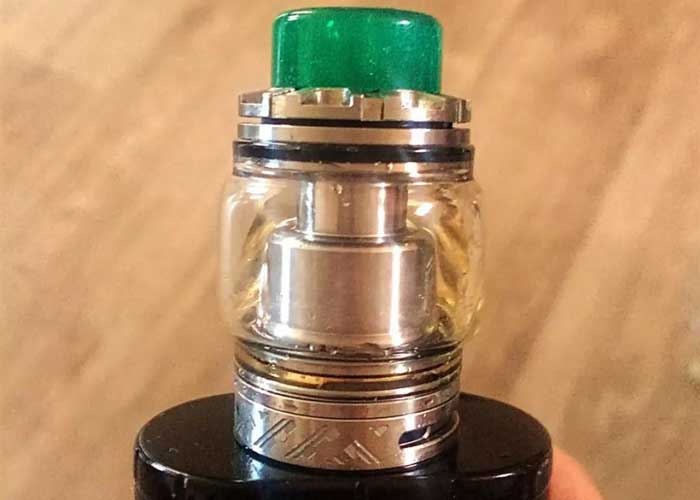 DIY tank atomizers (RTA) are relatively more complex than dripping atomizers. The cotton placement is crucial; if the cotton is too tight or too much, it will lead to poor oil flow and burnt coils. If too little is used, it can cause leaking. Since the cotton cannot fill the oil chamber, beginners should ensure the cotton is loose enough to avoid leakage. It’s also important not to overtighten when opening the atomizer for refilling or changing cotton, as damaged O-rings can also cause leaks. Lastly, RTA atomizers should not be left unused for too long, as prolonged oil supply can also lead to leakage.
Other precautions:
1. Many friends have a habit of blowing into the atomizer while using it, which is incorrect.
First, the structure of tank atomizers and dripping atomizers is different. Blowing air into a tank atomizer for a long time can push vapor towards the base, and combined with accumulated condensate, it can easily cause leakage.
Solution: Try not to blow into the mouthpiece. If you hear a gurgling sound while inhaling, it indicates that there is condensate on the inner wall of the airflow path. In this case, flick the mouthpiece downwards a few times to expel it. Blowing into it will not solve the problem.
2. Many new e-cigarette users often complain about e-liquid getting into their mouths, suspecting it’s a quality issue. In fact, this is largely due to a lack of understanding of how to use e-cigarettes. In such cases, aside from a few genuine quality issues, most are caused by inhaling too forcefully or too quickly. Unlike traditional cigarettes, where the harder you inhale, the faster they burn and produce more smoke, with e-cigarettes, the longer you inhale, the more vapor you get.
Solution: When using an e-cigarette, do not tilt the mouthpiece downwards; instead, hold it at a 45-degree angle upwards. During inhalation, avoid forceful or rapid pulls; maintain a steady and moderate force. Since e-cigarettes do not require combustion, the inhalation force should ensure that the vaporized smoke is drawn into your mouth (to take larger puffs, just inhale for a longer time). If the inhalation force is too strong or too fast, it’s easy to suck in condensate or unvaporized e-liquid.
—THE END—
That’s all for today. If you have any different opinions or good suggestions, feel free to leave a comment below and interact with me.
E-liquid is the soul of the e-cigarette; the vapor comes from it. An e-cigarette without e-liquid is like a car without fuel—useless. E-liquids are divided into different VG and PG ratios. VG, commonly known as glycerin, can produce a large amount of vapor and is relatively thick, making it less likely to leak. PG, or propylene glycol, produces much less vapor and is used to mix with flavorings and nicotine, making it easier to leak and providing a stronger throat hit. Different flavors of e-liquid use different flavorings, and their colors may vary, so everyone can choose e-liquids with different ratios according to their preferences.
Condensate is produced when the high temperature of the vapor generated during heating combines with the lower temperature of the surrounding air, causing the vapor to liquefy. For example, when boiling water, steam encounters relatively cooler air, resulting in condensation. If the spout is directed at glass or tiles, we can observe water droplets forming, which we can refer to as the condensation process, and the liquid produced is called "condensate."Now that we understand the concepts and distinctions of these two, let’s analyze the handling methods for condensate and why leaking occurs.
Does disposable small e-cigarettes leak?<\/strong>
Disposable small e-cigarettes generally do not leak because they are tested by manufacturers before being released. However, condensation is unavoidable; even if there is a cotton layer at the mouthpiece, some condensate may still appear. If you feel "oil" in your mouth while using, simply hold the device, flick the mouthpiece outward, and wipe it with a paper towel to avoid the sensation of sucking in condensate.
For replaceable pod small e-cigarettes, such as PHIX and MT, some may experience slight oil seepage or leakage upon arrival. Wiping them with a paper towel before use is sufficient. If it’s a disposable pod like the Fire device ECS, it definitely won’t leak. There can be many reasons for this, such as bumps during transportation, rough handling by couriers, or pressure changes causing slight oil seepage. Additionally, from a structural standpoint, the airflow can directly reach the heating wire and cotton, which may lead to slight leakage as the e-liquid saturates the cotton and flows through the airflow path. It’s similar to a sponge filled with water that may drip slightly when shaken.Next, let’s talk about condensate. Frequent inhalation of vapor will inevitably produce some condensate. If you hear a "gurgling" sound or feel a slight sweetness in your mouth, you can use a paper towel to poke a hole and wipe it, or take out the pod, flick it, and then inhale without any issues. If there is condensate at the bottom of the pod, use the same method to wipe it before inhaling.
For refillable small e-cigarettes, it’s relatively simple. After refilling, ensure the rubber plug is tightly sealed, and generally, there shouldn’t be any leakage. If used for a long time, just replace it with a new empty pod. When condensate occurs, take out the pod, flick it, and wipe it to continue performing perfectly.
For atomizers
When refilling a dripping atomizer (RDA), you should use less e-liquid and refill frequently. This prevents e-liquid from sitting too long and oxidizing, which affects flavor, and also prevents overfilling, which can cause e-liquid to overflow when the cotton can no longer absorb more. Each time you refill, wipe the condensate inside the cover with a paper towel. If you’re using a large vapor setup, you can frequently remove the cover to wipe it.
For pre-built tank atomizers, you should develop good habits. When refilling, try to close the airflow to prevent excess e-liquid from overflowing through the cotton when closing the oil chamber, as there is pressure inside the oil chamber. Speaking of pressure, be careful not to overfill; filling to 2/3 is sufficient. If there is too little air in the atomization chamber, the pressure will become too low, causing more e-liquid to flow into the heating coil, leading to leakage or sucking e-liquid into your mouth. Additionally, it’s advisable not to leave an oil-filled atomizer unused for too long, as the quality of e-liquid can lead to it supplying oil to the cotton, and once saturated, it will naturally leak.
#p#Page Title#e#
DIY tank atomizers (RTA) are relatively more complex than dripping atomizers. The cotton placement is crucial; if the cotton is too tight or too much, it will lead to poor oil flow and burnt coils. If too little is used, it can cause leaking. Since the cotton cannot fill the oil chamber, beginners should ensure the cotton is loose enough to avoid leakage. It’s also important not to overtighten when opening the atomizer for refilling or changing cotton, as damaged O-rings can also cause leaks. Lastly, RTA atomizers should not be left unused for too long, as prolonged oil supply can also lead to leakage.Other precautions:
1. Many friends have a habit of blowing into the atomizer while using it, which is incorrect.
First, the structure of tank atomizers and dripping atomizers is different. Blowing air into a tank atomizer for a long time can push vapor towards the base, and combined with accumulated condensate, it can easily cause leakage.
Solution: Try not to blow into the mouthpiece. If you hear a gurgling sound while inhaling, it indicates that there is condensate on the inner wall of the airflow path. In this case, flick the mouthpiece downwards a few times to expel it. Blowing into it will not solve the problem.
2. Many new e-cigarette users often complain about e-liquid getting into their mouths, suspecting it’s a quality issue. In fact, this is largely due to a lack of understanding of how to use e-cigarettes. In such cases, aside from a few genuine quality issues, most are caused by inhaling too forcefully or too quickly. Unlike traditional cigarettes, where the harder you inhale, the faster they burn and produce more smoke, with e-cigarettes, the longer you inhale, the more vapor you get.
Solution: When using an e-cigarette, do not tilt the mouthpiece downwards; instead, hold it at a 45-degree angle upwards. During inhalation, avoid forceful or rapid pulls; maintain a steady and moderate force. Since e-cigarettes do not require combustion, the inhalation force should ensure that the vaporized smoke is drawn into your mouth (to take larger puffs, just inhale for a longer time). If the inhalation force is too strong or too fast, it’s easy to suck in condensate or unvaporized e-liquid.
—THE END—
That’s all for today. If you have any different opinions or good suggestions, feel free to leave a comment below and interact with me.


