
How to Choose a Pod Vaping Device?
How do you choose a pod vaping device? Some people say 2018 was the year of pod systems. More and more compact vaping devices and brands have been springing up, and at the Shenzhen vaping expo in April this year, Hall 6 was dedicated specifically to pod s
How should you choose a pod vaping device? Some people called 2018 the “year of pod systems,” as more and more pod devices and brands sprang up overnight. At the Shenzhen e-cigarette expo in April this year, Hall 6 was set aside specifically for pod systems. Since then, following the pod market’s full-scale rise from the middle of last year, more and more e-cigarette brands have wanted a share of the market, both well-known and lesser-known. Among them, the successful RELX vaping device can be considered a leading example, even though its price is much higher than many similar pod devices.
Why is it that in the vaping industry, pod brands are being created faster and in greater numbers than cloud-chasing brands? Some have analyzed this before: perhaps unlike feature-rich high-power devices, pod devices have much simpler requirements—they just need to work. The technical barrier to entry is not as high, so more newcomers can enter the market. But as in any industry, even if entry is easy, products cannot last if all their features are identical. A brand must have its own distinctive strengths in order to develop steadily and come out ahead. With so many pod devices that are largely similar, how can one stand out in the market? Industry insiders point out that unlike high-power devices, pod systems do not need too many functions; design, battery life, and flavor are the fundamentals they rely on.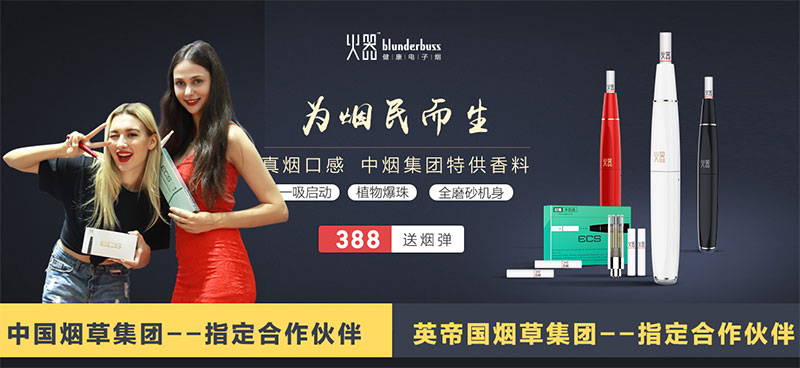
Huoqi ECS vaping device 1. Design
Pod devices are easier to style creatively, so their designs come in all kinds of forms: biomimetic shapes such as dolphins, penguins, mangoes, and water droplets; object-inspired shapes such as cars, pebbles, USB drives, lighters, and cigarette packs... and even some designs that are hard to describe. Once a market develops to a certain stage, it easily falls into a strange cycle: the more brands try to innovate, the more they end up trapped in gimmicks; the more they want to stand out, the more likely they are to overdo it.
That said, a striking design really is more likely to catch people’s eyes and win consumer recognition on a psychological level. Besides shape, the feel of the material is also important. Some products use plastic to save costs, and compared with metal products, they can feel noticeably cheap. But metal does not automatically mean better; workmanship is equally important. Take Keleipeng’s S8 for example: although it is not made of metal, its polishing and finishing process makes the S8 look finely crafted overall, with a fresh and appealing design.
Portability is another top priority besides appearance. If you had to carry either an old bulky “brick phone” or a smartphone in your bag, you would naturally choose the lighter, more compact one.
2. Battery life
In general, device size and battery life are directly related, just like with mobile phones. If the body is too thin, battery life usually will not last very long, so an ultra-thin body and ultra-long battery life cannot be perfectly combined. The same applies in the vaping industry. But battery life is extremely important for electronic products, so while focusing on technological R&D, vaping brands have also paid close attention to increasing battery capacity. For example, the Aspire Breeze 2 raised battery capacity to 1000mAh. Even the original 650mAh was already far better in endurance than some pod devices with only two or three hundred mAh. This increase in battery capacity clearly shows how much the brand values product endurance—after all, nobody wants charging to become the most frequent operation during the vaping process.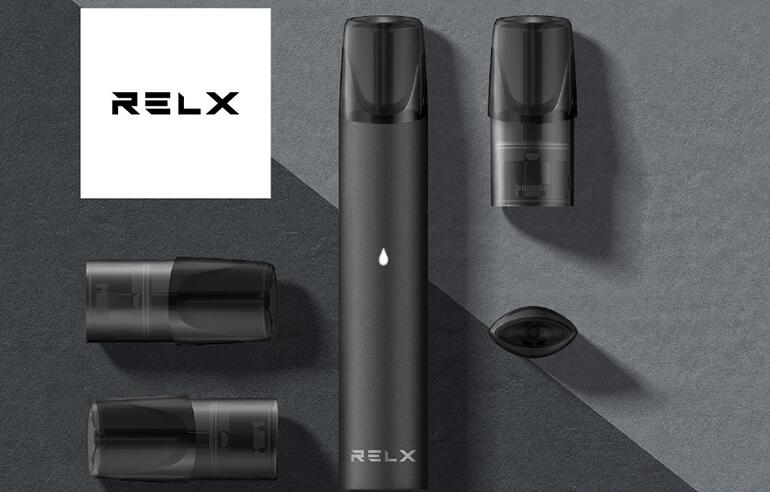 3. Flavor
Pod devices have always competed on flavor. Because they are often aimed at cigarette replacement and smoking cessation needs, the flavor requirements are even stricter. The factors that determine device flavor are airflow volume, coil resistance, and coil structure.
Most coils use a vertical structure, but there are also technologies such as Aspire Revvo’s ARC (radial heating) coil, as well as horizontal coils like those used in the Ovancl QQ all-in-one device. Each different coil structure brings a different flavor experience. Likewise, different coil resistances are suitable for different e-liquids, and the amount of airflow also affects how the e-liquid tastes.
For a long time, pod devices have generally had non-adjustable airflow due to design limitations, which also imposed certain limits on flavor performance. So some people began thinking about introducing airflow adjustment into pod devices. That led to the Huoqi ECS vaping device produced by Shenzhen Huashang Biotechnology Co., Ltd., changing the disadvantage of pod systems not having airflow adjustment. It is worth noting that airflow affects not only vapor production, but also flavor.
As for coil resistance, different resistance levels need to be matched with e-liquids containing different VG ratios in order to achieve the best flavor from atomization. For example, the two pre-installed coils included with the Breeze 2: the 0.6 coil is suitable for standard e-liquids, while the 1.0Ω coil is designed specifically for nicotine salt e-liquids. Matching different configurations to different needs is how a product’s strengths can be maximized. #p#Page Title#e#
Some people say that under national smoking-control policies, e-cigarettes will become increasingly popular, and pod devices will also continue to change according to consumer demand in order to adapt to the market. Whether it is design, battery life, or flavor, these are all indispensable to pod brands. Hopefully, as pod systems continue to develop, they can truly serve consumers’ real interests.
Why is it that in the vaping industry, pod brands are being created faster and in greater numbers than cloud-chasing brands? Some have analyzed this before: perhaps unlike feature-rich high-power devices, pod devices have much simpler requirements—they just need to work. The technical barrier to entry is not as high, so more newcomers can enter the market. But as in any industry, even if entry is easy, products cannot last if all their features are identical. A brand must have its own distinctive strengths in order to develop steadily and come out ahead. With so many pod devices that are largely similar, how can one stand out in the market? Industry insiders point out that unlike high-power devices, pod systems do not need too many functions; design, battery life, and flavor are the fundamentals they rely on.
Huoqi ECS vaping device 1. Design
Pod devices are easier to style creatively, so their designs come in all kinds of forms: biomimetic shapes such as dolphins, penguins, mangoes, and water droplets; object-inspired shapes such as cars, pebbles, USB drives, lighters, and cigarette packs... and even some designs that are hard to describe. Once a market develops to a certain stage, it easily falls into a strange cycle: the more brands try to innovate, the more they end up trapped in gimmicks; the more they want to stand out, the more likely they are to overdo it.
That said, a striking design really is more likely to catch people’s eyes and win consumer recognition on a psychological level. Besides shape, the feel of the material is also important. Some products use plastic to save costs, and compared with metal products, they can feel noticeably cheap. But metal does not automatically mean better; workmanship is equally important. Take Keleipeng’s S8 for example: although it is not made of metal, its polishing and finishing process makes the S8 look finely crafted overall, with a fresh and appealing design.
Portability is another top priority besides appearance. If you had to carry either an old bulky “brick phone” or a smartphone in your bag, you would naturally choose the lighter, more compact one.
2. Battery life
In general, device size and battery life are directly related, just like with mobile phones. If the body is too thin, battery life usually will not last very long, so an ultra-thin body and ultra-long battery life cannot be perfectly combined. The same applies in the vaping industry. But battery life is extremely important for electronic products, so while focusing on technological R&D, vaping brands have also paid close attention to increasing battery capacity. For example, the Aspire Breeze 2 raised battery capacity to 1000mAh. Even the original 650mAh was already far better in endurance than some pod devices with only two or three hundred mAh. This increase in battery capacity clearly shows how much the brand values product endurance—after all, nobody wants charging to become the most frequent operation during the vaping process.
3. FlavorPod devices have always competed on flavor. Because they are often aimed at cigarette replacement and smoking cessation needs, the flavor requirements are even stricter. The factors that determine device flavor are airflow volume, coil resistance, and coil structure.
Most coils use a vertical structure, but there are also technologies such as Aspire Revvo’s ARC (radial heating) coil, as well as horizontal coils like those used in the Ovancl QQ all-in-one device. Each different coil structure brings a different flavor experience. Likewise, different coil resistances are suitable for different e-liquids, and the amount of airflow also affects how the e-liquid tastes.
For a long time, pod devices have generally had non-adjustable airflow due to design limitations, which also imposed certain limits on flavor performance. So some people began thinking about introducing airflow adjustment into pod devices. That led to the Huoqi ECS vaping device produced by Shenzhen Huashang Biotechnology Co., Ltd., changing the disadvantage of pod systems not having airflow adjustment. It is worth noting that airflow affects not only vapor production, but also flavor.
As for coil resistance, different resistance levels need to be matched with e-liquids containing different VG ratios in order to achieve the best flavor from atomization. For example, the two pre-installed coils included with the Breeze 2: the 0.6 coil is suitable for standard e-liquids, while the 1.0Ω coil is designed specifically for nicotine salt e-liquids. Matching different configurations to different needs is how a product’s strengths can be maximized. #p#Page Title#e#
Some people say that under national smoking-control policies, e-cigarettes will become increasingly popular, and pod devices will also continue to change according to consumer demand in order to adapt to the market. Whether it is design, battery life, or flavor, these are all indispensable to pod brands. Hopefully, as pod systems continue to develop, they can truly serve consumers’ real interests.


