
Japan Tobacco Bets on E-Cigarette Growth Prospects, Raises Annual Dividend
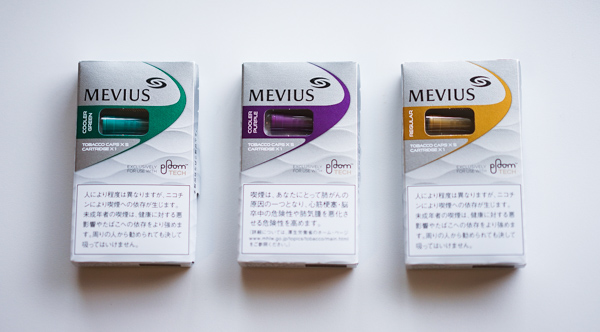
Japan Tobacco has stated that although the growth prospects for its e-cigarette Ploom Tech have been delayed due to supply issues, it remains confident in the product. Despite predicting lower annual interest rates, Japan Tobacco has still raised its dividends.
The world's third-largest tobacco company announced that it will begin selling Ploom Tech in some areas of Tokyo starting in June, but the rollout in other cities will begin in the first half of 2018, which is later than initially expected.

In competing with Philip Morris, this may be a setback for Japan Tobacco in its pursuit of a larger market share in Japan. However, the outcome is still uncertain, as Japan Tobacco plans to pay a dividend of 140 yen (1.24 USD) per share this year, an increase of nearly 8%, emphasizing a "very strong feeling" about the growth prospects of Ploom Tech.
"We believe we need to convey this to the stock market," said CEO Koizumi during the company's earnings briefing on Monday.

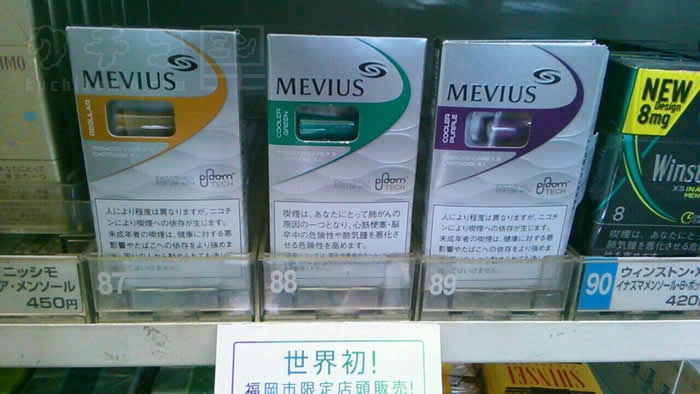
Ploom Tech is a battery-operated device that provides users with the taste of tobacco stored in disposable capsules using heated liquid vapor. Japan Tobacco tested the product in Fukuoka City in southern Japan last year, but subsequently faced supply constraints.
The company's top brands include Winston, Mevius, and Camel, and it has invested heavily to expand the production capacity of Ploom Tech tobacco capsules.
Koizumi stated that the launch in Tokyo was initially planned for early May this year, but "our Fukuoka test market was more popular than we expected, so we decided to delay the launch to avoid supply shortages."
Last year's supply crunch for Ploom Tech allowed Philip Morris to launch its "heat-not-burn" tobacco product, iQOS, nationwide, entering the Japanese market where Japan Tobacco holds a 61% share like a dark horse.
Philip Morris's market share in Japan grew from 1.7% to 27.1% in 2016. For HeatSticks, the tobacco device used for iQOS, the share rose to 7% in the last week of December.
Tobacco companies are facing declines in developed markets due to increased taxes and growing health concerns, and they believe that low-risk alternatives like e-cigarettes will accelerate growth.

This trend is also supported by the emergence of smoke-free places that allow the use of e-cigarettes.
In Japan, Orix Auto Corporation has started a fleet of rental and shared cars that are smoke-free but allow the use of iQOS.
As tobacco e-cigarettes become increasingly popular, Japan Tobacco expects its domestic cigarette sales volume to decline by 9.6% this year.
The tobacco company's net profit is expected to drop by 4.7% to 40.2 billion yen this year, while Thomson Reuters data shows that the average forecast from 16 analysts is 41.8 billion yen.


