Canadian Government Introduces New Tobacco and Vaping Bill (With Images)
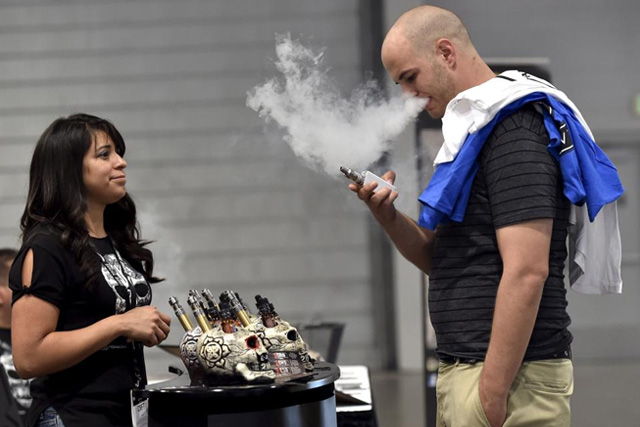
On November 22, 2016, with the adjustment of the tobacco control strategy, the Canadian government introduced a new bill S-5, renaming the existing Tobacco Act to the Tobacco and Vaping Products Act, categorizing vaping products as a separate product category to regulate the production, sale, labeling, and promotion of vaping products, as announced by Health Minister Jane Philpot in September.
Recent statistics show a significant decline in the proportion of smokers in Canada, which some experts believe is directly related to the popularity of vaping. Unfortunately, like its neighbor the United States, Canada has taken a prohibitive stance on vaping, insisting that the product is harmful.
Since vaping products entered Canada, there has been a legislative void. Under pressure from various groups, few are pro-vaping, and some provincial governments have proposed or introduced homemade laws, which have been strongly criticized by vapers, vaping associations, and even health experts. Other provinces have decided to wait for the federal government to provide clear regulatory guidance on these products before taking action.
With the introduction of the Tobacco and Vaping Products Act, vaping products will be regulated as a category distinct from tobacco products. Regulation of vaping products is mandatory to prevent youth access. However, the regulations also allow adults to use vaping products as a less harmful tobacco alternative to protect health and safety.
The new Tobacco and Vaping Products Act may amend the existing Tobacco Act, the Non-Smokers' Health Act, the Food and Drugs Act, and the Canada Consumer Product Safety Act.
Measures directly related to vaping products will include:
Definition of "vaping products" includes components and e-liquids, but does not involve nicotine content;
Regulations to restrict sales to youth;
Regulations to prevent advertising aimed at young people;
Regulations to limit specific flavors appealing to youth (especially banning candy and dessert flavors);
Requirements for child-resistant packaging to protect children from nicotine poisoning;
Standards for hardware, e-liquid ingredients, and e-cigarette vapor emissions;
Coordination of compliance and enforcement agencies with Health Canada.