
Essential Vaping Knowledge Every Beginner Should Know
Essential vaping knowledge every beginner should know: Vaping originated in China, but became especially popular in Europe, the United States, and the Middle East. In recent years, as Chinese consumers have become more health-conscious, vaping has increas
Essential vaping knowledge every beginner should know: E-cigarettes originated in China but have gained popularity in Europe, America, and the Middle East. In recent years, Chinese consumers' health awareness has increased, and e-cigarettes are being recognized as a replacement for traditional cigarettes. As a substitute for cigarettes, e-cigarettes, with their advantage of "inhaling" flavors, are becoming increasingly popular among people.
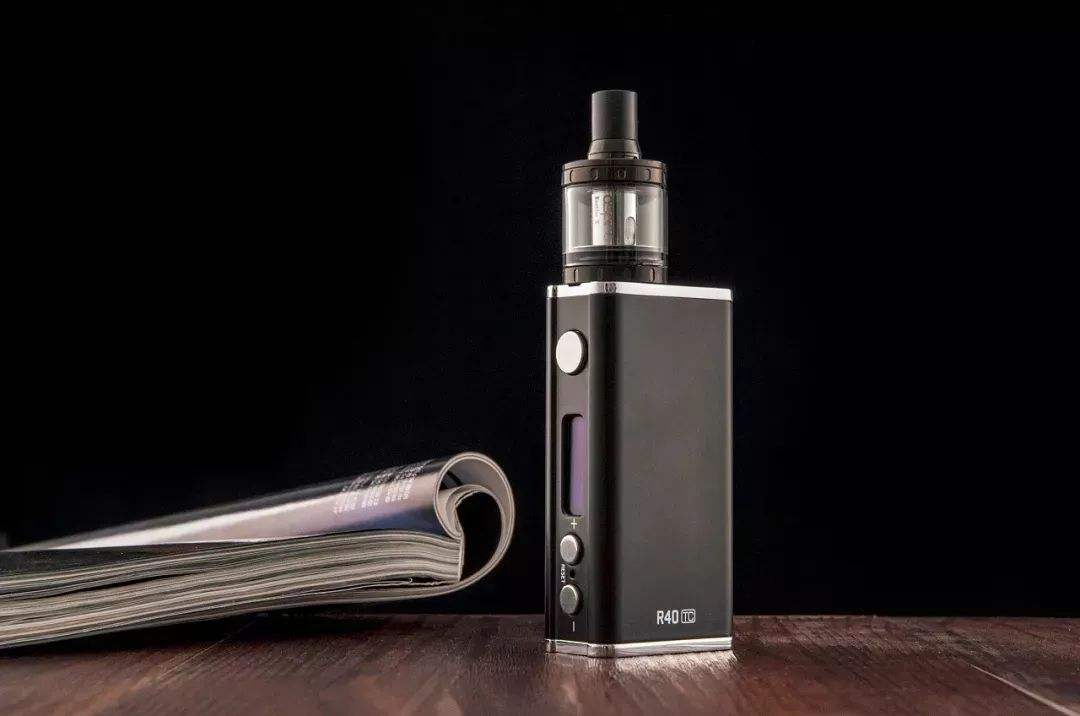
E-cigarette knowledge ----- Basic definition of e-cigarettes
E-cigarette knowledge ----- 1. Concept of e-cigarettes
An e-cigarette is an electronic product that vaporizes e-liquids containing nicotine into vapor through methods such as atomization.
E-cigarette knowledge ----- 2. Structure of e-cigarettes
Mainstream e-cigarettes consist of three parts: the tube that holds the e-liquid (also known as the atomizer, atomization chamber, or pod), the evaporation device, and the battery.
E-cigarette knowledge ----- 3. Classification of e-cigarettes
1). By e-liquid device classification, they can be divided into pre-filled and refillable types:
• Pre-filled e-cigarettes: The e-liquid and atomizer are integrated, designed for single use, and are portable. Generally, pre-filled atomizers are also called pods.
• Refillable e-cigarettes: The atomizer can be reused, allowing for the selection of different brands of e-liquid.
2). By battery type, they can be divided into mechanical and electronic types:
• Mechanical: The battery does not contain a control chip, has a long lifespan but is difficult to control.
• Electronic: The battery contains a control chip, allowing for control of voltage, power, and temperature, but the chip has a limited lifespan.
3). By power classification, they can be divided into low-power and high-power types:
• Low-power: Generally inhaled through the mouth, the atomizer and battery connect to start working without a power button.
• High-power: Mainly uses 18650 lithium batteries, larger in size, with distinct characteristics of the atomizer and battery.
E-cigarette knowledge ----- E-liquid
E-liquids mainly consist of three substances: nicotine, flavoring agents, and PG/VG.
The U.S. Food and Drug Administration (FDA) defines PG as "generally recognized as safe". PG (propylene glycol) is a carrier for flavoring agents and enhances the taste of e-liquids. When heated, it produces a small amount of vapor and provides a certain throat hit.
VG (vegetable glycerin or glycerol) is also a widely used ingredient in daily life, similar to PG. VG's main role in e-liquids is to produce vapor.
Flavoring agents are generally food-grade and have minimal impact on the human body.
E-cigarette knowledge ----- Effects on e-cigarette users
The main substance affecting users is nicotine. Nicotine is an addictive substance that may increase heart rate and blood pressure; high doses (over 50mg) in a short time can cause vomiting and nausea; however, regulated e-liquids control nicotine levels within a safe range, and some may even be nicotine-free, having minimal impact on users.
Do e-cigarettes produce harmful substances? Since e-cigarettes use physical atomization technology, they do not produce new substances or hazards. Generally, mainstream e-cigarette devices operate at temperatures of 300-400°C, while organic matter decomposition requires temperatures of 700-800°C, indicating that compliant e-cigarette devices do not undergo decomposition reactions that produce harmful substances.
In contrast, traditional cigarettes pose much greater risks. When burned, cigarettes reach temperatures of 600-900°C, producing many harmful substances under incomplete combustion, such as aromatic amines (carcinogenic), polycyclic aromatic hydrocarbons (carcinogenic), heterocyclic amines (carcinogenic), metals (carcinogenic, DNA damaging), and radioactive substances (carcinogenic), with their mixture being tobacco tar. According to WHO official data, there are over 4000 chemicals in tobacco smoke, of which at least 250 are known harmful substances, and over 50 are known carcinogens.
E-cigarette knowledge ----- Basic definition of e-cigarettes
E-cigarette knowledge ----- 1. Concept of e-cigarettes
An e-cigarette is an electronic product that vaporizes e-liquids containing nicotine into vapor through methods such as atomization.
E-cigarette knowledge ----- 2. Structure of e-cigarettes
Mainstream e-cigarettes consist of three parts: the tube that holds the e-liquid (also known as the atomizer, atomization chamber, or pod), the evaporation device, and the battery.
E-cigarette knowledge ----- 3. Classification of e-cigarettes
1). By e-liquid device classification, they can be divided into pre-filled and refillable types:
• Pre-filled e-cigarettes: The e-liquid and atomizer are integrated, designed for single use, and are portable. Generally, pre-filled atomizers are also called pods.
• Refillable e-cigarettes: The atomizer can be reused, allowing for the selection of different brands of e-liquid.
2). By battery type, they can be divided into mechanical and electronic types:
• Mechanical: The battery does not contain a control chip, has a long lifespan but is difficult to control.
• Electronic: The battery contains a control chip, allowing for control of voltage, power, and temperature, but the chip has a limited lifespan.
3). By power classification, they can be divided into low-power and high-power types:
• Low-power: Generally inhaled through the mouth, the atomizer and battery connect to start working without a power button.
• High-power: Mainly uses 18650 lithium batteries, larger in size, with distinct characteristics of the atomizer and battery.
E-cigarette knowledge ----- E-liquid
E-liquids mainly consist of three substances: nicotine, flavoring agents, and PG/VG.
The U.S. Food and Drug Administration (FDA) defines PG as "generally recognized as safe". PG (propylene glycol) is a carrier for flavoring agents and enhances the taste of e-liquids. When heated, it produces a small amount of vapor and provides a certain throat hit.
VG (vegetable glycerin or glycerol) is also a widely used ingredient in daily life, similar to PG. VG's main role in e-liquids is to produce vapor.
Flavoring agents are generally food-grade and have minimal impact on the human body.
E-cigarette knowledge ----- Effects on e-cigarette users
The main substance affecting users is nicotine. Nicotine is an addictive substance that may increase heart rate and blood pressure; high doses (over 50mg) in a short time can cause vomiting and nausea; however, regulated e-liquids control nicotine levels within a safe range, and some may even be nicotine-free, having minimal impact on users.
Do e-cigarettes produce harmful substances? Since e-cigarettes use physical atomization technology, they do not produce new substances or hazards. Generally, mainstream e-cigarette devices operate at temperatures of 300-400°C, while organic matter decomposition requires temperatures of 700-800°C, indicating that compliant e-cigarette devices do not undergo decomposition reactions that produce harmful substances.
In contrast, traditional cigarettes pose much greater risks. When burned, cigarettes reach temperatures of 600-900°C, producing many harmful substances under incomplete combustion, such as aromatic amines (carcinogenic), polycyclic aromatic hydrocarbons (carcinogenic), heterocyclic amines (carcinogenic), metals (carcinogenic, DNA damaging), and radioactive substances (carcinogenic), with their mixture being tobacco tar. According to WHO official data, there are over 4000 chemicals in tobacco smoke, of which at least 250 are known harmful substances, and over 50 are known carcinogens.


